

 Destinatons
 Europe
 Car Rental Guide
 Travel Tips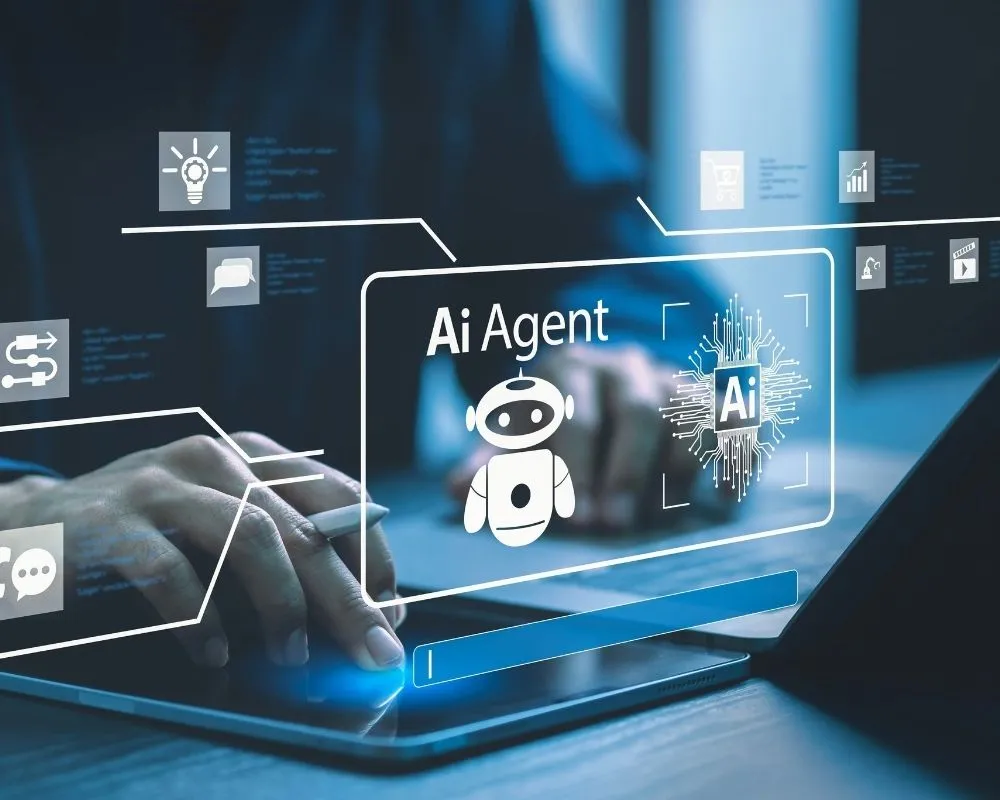
Table of Contents
Introduction: Why Everyone Is Talking About AI Agents
In recent years, artificial intelligence has evolved far beyond simple chatbots. Today, one of the most exciting developments in the tech world is the rise of AI agents – intelligent systems capable of performing tasks, making decisions, and even learning from their environment.
Businesses, freelancers, and digital creators are rapidly adopting AI agents to automate repetitive tasks, reduce workload, and increase productivity. From customer service automation to marketing workflows, AI agents are transforming how work gets done. For example, AI-powered platforms like Content Harmony help marketing teams automate SEO planning, while tools such as Fedica allow businesses to manage social media workflows automatically.

If you’re like me - someone who’s trying to live greener without giving up convenience - you’ve probably realized one Read more
SlimQ GaN Charger Review (2025) — Compact Power, Real Performance + 10% OFF (NT1309) Short summary: SlimQ offers a modern Read more

🌎Finding the Right Way to Clean - The Green Way Making our world a better place by reducing plastic waste Read more

Have you ever wanted a t-shirt, hoodie, tote bag, or even a water bottle with a design that is stylish, Read more
But what exactly is an AI agent? How does it work? And why is it becoming so popular?
In this guide, we’ll break down everything you need to know about AI agents in simple terms.
What Is an AI Agent?
An AI agent is a software program that can observe its environment, make decisions, and perform actions automatically to achieve specific goals.
Unlike traditional software that follows strict instructions, AI agents can:
- Analyze data
- Make decisions
- Adapt to new information
- Execute tasks without constant human input
In simple terms, an AI agent acts like a digital assistant that can think and act, not just respond.
For example:
- A chatbot that answers customer questions automatically
- A system that schedules meetings based on availability
- An automation tool that sends emails when specific triggers occur
These are all examples of AI agents in action.
In business environments, AI agents are often integrated into tools like Capsule CRM, which helps automate customer relationship workflows, or Lawmatics, which streamlines legal client management processes.
How AI Agents Work (Simple Explanation)
At a basic level, an AI agent operates using four main components:
1. Input (Observation)
The agent gathers data from its environment.
Examples:
- Reading emails
- Monitoring website traffic
- Receiving customer messages
This step is like “seeing” the world.
2. Processing (Thinking)
The AI analyzes the input using machine learning models or logic rules.
Examples:
- Understanding customer intent
- Identifying patterns in data
- Deciding the best next action
This is the decision-making phase.
3. Action (Execution)
After making a decision, the AI performs an action.
Examples:
- Replying to a message
- Updating a database
- Sending a notification
This is where automation happens.
4. Learning (Improvement)
Advanced AI agents learn from past actions and improve over time.
Examples:
- Improving response accuracy
- Optimizing workflows
- Reducing errors
This allows AI agents to become smarter with usage.
Real-World Examples of AI Agents

AI agents are already widely used across industries. Here are some practical examples:
Customer Support Automation
AI agents can handle customer inquiries 24/7.
They can:
- Answer FAQs
- Track orders
- Provide product recommendations
This reduces support workload and improves response time.
Marketing Automation
AI agents help marketers automate repetitive tasks.
Examples include:
- Sending follow-up emails
- Segmenting customer lists
- Scheduling social media posts
This allows teams to focus on strategy instead of manual tasks.
Business Workflow Automation
Companies use AI agents to streamline operations.
Examples:
- Automatically processing invoices
- Managing internal approvals
- Generating reports
This significantly reduces administrative work. For instance, companies managing remote teams often use platforms like Remote to automate payroll, employee onboarding, and global workforce operations.
Benefits of Using AI Agents
AI agents offer several advantages that make them attractive for businesses and individuals.
1. Increased Productivity
AI agents can work continuously without fatigue.
This allows teams to complete more tasks in less time.
2. Reduced Human Error
Automation minimizes mistakes caused by manual work.
This improves overall accuracy.
3. Cost Efficiency
By automating repetitive tasks, businesses can reduce operational costs.
Fewer manual processes mean fewer resources needed.
4. Scalability
AI agents allow businesses to handle larger workloads without increasing staff.
This makes growth easier and more sustainable.
Challenges and Limitations of AI Agents
Despite their benefits, AI agents are not perfect.
Here are some common challenges:
Setup Complexity
Some AI systems require technical knowledge to configure properly.
However, this is becoming easier with no-code tools. Modern no-code platforms such as Blink.new and CreateAnything make it possible to build AI-powered workflows without technical expertise.
Data Dependency
AI agents rely on accurate data.
Poor data quality can lead to incorrect decisions.
Security and Privacy
Handling sensitive information requires proper safeguards.
Organizations must ensure compliance with data protection standards.
The Future of AI Agents
The future of AI agents looks extremely promising.
We are moving toward a world where:
- AI agents collaborate with humans
- Businesses rely heavily on automated workflows
- Individuals use personal AI assistants daily
In the next few years, AI agents will likely become a standard part of digital work environments.
Who Should Use AI Agents?
AI agents are useful for:
- Small business owners
- Freelancers
- Marketing teams
- Customer support teams
- Operations managers
Even individuals can benefit from personal automation.
Final Thoughts
AI agents are rapidly becoming one of the most powerful tools in modern technology. They are transforming how work is performed, helping businesses operate faster, smarter, and more efficiently.
Whether you’re running a business or managing daily tasks, understanding AI agents is an important step toward staying competitive in today’s digital world.
As automation technology continues to evolve, those who adopt AI agents early will have a significant advantage.
If you’re like me - someone who’s trying to live greener without giving up convenience - you’ve probably realized one Read more
SlimQ GaN Charger Review (2025) — Compact Power, Real Performance + 10% OFF (NT1309) Short summary: SlimQ offers a modern Read more
🌎Finding the Right Way to Clean - The Green Way Making our world a better place by reducing plastic waste Read more
Have you ever wanted a t-shirt, hoodie, tote bag, or even a water bottle with a design that is stylish, Read more