
Driving in Hawaii: Everything first-time visitors should know
Driving is one of the best ways to experience Hawaii. While the islands are famous for their beaches, waterfalls, volcanoes, and breathtaking coastal roads, many of these attractions are difficult—or even impossible—to reach without a car. The good…
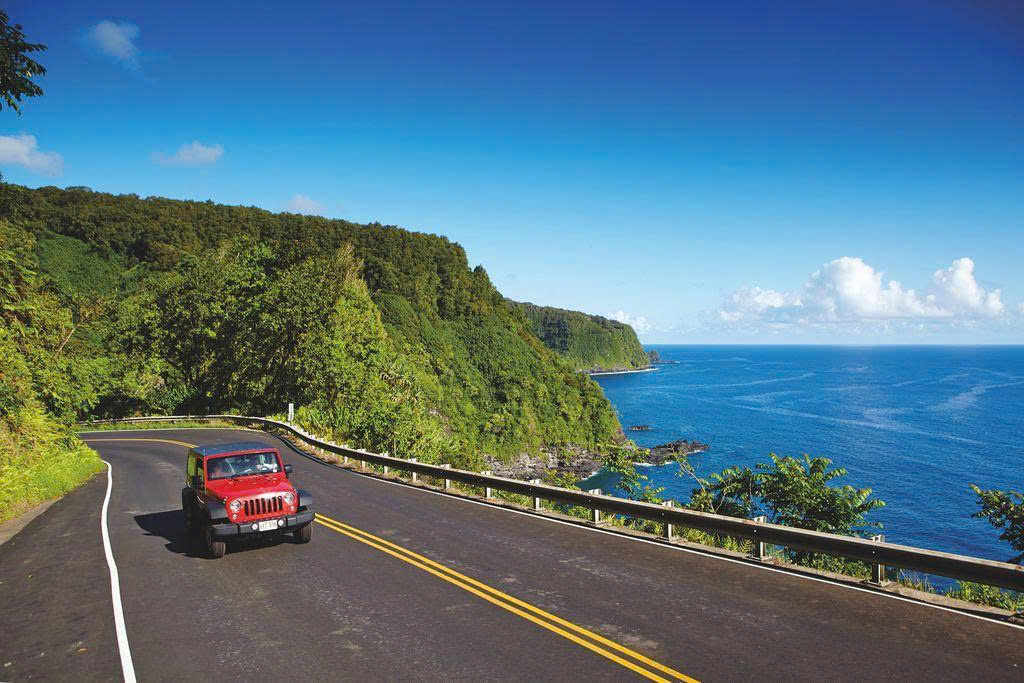
Driving is one of the best ways to experience Hawaii. While the islands are famous for their beaches, waterfalls, volcanoes, and breathtaking coastal roads, many of these attractions are difficult—or even impossible—to reach without a car.
The good news is that driving in Hawaii is generally easy, even for international visitors. Roads are well maintained, traffic signs are in English, and local drivers are known for being more relaxed than in many large U.S. cities.
Still, there are a few important differences that first-time visitors should understand before picking up a rental car. Knowing these tips can help you drive more confidently, avoid unnecessary fines, and enjoy a smoother Hawaiian road trip.
Is driving in Hawaii difficult?


For most travelers, the answer is no.
Hawaii has a modern road network, clear road signs, and relatively straightforward driving conditions. Unlike many large cities on the U.S. mainland, aggressive driving is uncommon, and speed limits are generally lower.
Each island offers a different driving experience:
- Oahu has the busiest traffic, especially around Honolulu and Waikiki.
- Maui is known for scenic coastal drives like the famous Road to Hana.
- Kauai offers peaceful roads with light traffic.
- The Big Island has longer driving distances and diverse landscapes, from volcanic deserts to lush rainforests.
If you’re comfortable driving at home, you’ll likely have no trouble adapting to Hawaii’s roads.
🛣️ Plan Your Hawaii Driving Adventure
Before hitting the road, make sure you’ve chosen the right rental car, booked through a trusted provider, and learned how to save money on your reservation.
Road rules you should know


Before setting off, it’s important to understand a few basic traffic rules.
Drive on the right
Like the rest of the United States, vehicles drive on the right-hand side of the road.
Always wear a seat belt
Seat belts are mandatory for both drivers and passengers.
Observe speed limits
Speed limits vary depending on the road, but many scenic routes have lower limits than visitors expect. It’s common to see limits between 25 mph and 55 mph, especially on island roads.
No phone use while driving
Using a handheld mobile phone while driving is illegal in Hawaii. If you need navigation, use a hands-free setup before you begin your journey.
Parking in Hawaii


Parking rules differ depending on the island and location.
In popular tourist areas such as Waikiki, parking can be expensive and limited. Many hotels charge overnight parking fees, so it’s worth checking these costs before booking accommodation.
Outside major cities, parking is generally easier, particularly near beaches, hiking trails, and scenic viewpoints.
Always pay attention to parking signs, as fines can be costly.
Tips for driving safely
Driving in Hawaii is generally relaxing, but a few local habits are worth remembering:
- Allow extra time for scenic drives. You’ll probably stop often for photos.
- Watch for cyclists and pedestrians, especially near beaches.
- Be patient on narrow roads and one-lane bridges.
- Never leave valuables visible inside your rental car.
- Fill up with fuel before driving into remote areas of the Big Island or Maui.
One of the best parts of driving in Hawaii is the journey itself. Many roads offer spectacular ocean views, lush valleys, and volcanic landscapes that are just as memorable as the destinations.
🚗 Ready to explore Hawaii by car?
Compare rental prices from trusted companies and find the perfect vehicle for your Hawaiian adventure.
Common mistakes first-time visitors make
Even experienced drivers can make small mistakes when visiting Hawaii for the first time.
Some of the most common include:
- Booking a rental car too late during peak travel seasons.
- Choosing a vehicle that’s too small for passengers and luggage.
- Underestimating driving times on scenic roads.
- Forgetting that many attractions have limited parking.
- Ignoring weather changes in mountainous areas.
Planning ahead will help you avoid unnecessary stress and make the most of your vacation.
Frequently Asked Questions
Can tourists drive in Hawaii?
Yes. Visitors with a valid driver’s license from their home country or state can legally drive in Hawaii, although international travelers should check whether an International Driving Permit is recommended for their nationality.
Is driving in Hawaii safe?
Yes. Hawaii is considered one of the easier U.S. destinations for tourists to drive, thanks to well-maintained roads and generally courteous local drivers.
Do I need a 4WD vehicle?
For most travelers, no. A standard sedan or SUV is suitable for the majority of popular attractions. A 4WD vehicle is only necessary if you plan to access specific roads where it is recommended or required.
Is parking free?
Some beaches and public attractions offer free parking, while hotels, city centers, and popular tourist areas may charge parking fees.
Final thoughts
Driving in Hawaii gives you the freedom to explore far beyond the typical tourist hotspots. From coastal highways and volcanic landscapes to hidden beaches and lush valleys, having your own vehicle allows you to experience the islands at your own pace.
Before your trip, choose a rental car that matches your itinerary, understand the local driving rules, and plan your routes in advance. A little preparation goes a long way toward making your Hawaiian road trip smooth, safe, and unforgettable.
🛣️ Plan Your Hawaii Driving Adventure
Before hitting the road, make sure you’ve chosen the right rental car, booked through a trusted provider, and learned how to save money on your reservation.

Continue exploring
Related field notes

Best Yacht Destinations: Where to Go by Yacht in 2026
If you are searching for Best Yacht Destinations, the right place can turn a simple boat rental into an unforgettable holiday. From…
Read the guide
Best Car Rental Deals: Why DiscoverCars Is a Top Choice for Comparing Rental Cars
Best Car Rental Deals are easier to find when you can compare prices, rental conditions, supplier ratings, and vehicle types in one…
Read the guide
Best Tour Guide 2026: Top Destinations & Tours with Amstar DMC
If you are looking for the Best Tour Guide for a Caribbean or Mexico vacation, Amstar DMC is worth considering for its…
Read the guide