
Aires Tech LifeTune Review: Which EMF Protection Product Is Right for You?
With Aires Tech LifeTune products ranging from small device-specific options to solutions designed for larger spaces, choosing between them isn't necessarily straightforward. LifeTune One attaches to personal electronics, LifeTune Go travels with you, while Flex, Zone, and Zone…

With Aires Tech LifeTune products ranging from small device-specific options to solutions designed for larger spaces, choosing between them isn’t necessarily straightforward. LifeTune One attaches to personal electronics, LifeTune Go travels with you, while Flex, Zone, and Zone Max Pro are designed around progressively different coverage needs.
They all share the same basic idea: Aires says its technology is designed to interact with surrounding electromagnetic fields without blocking Wi-Fi, cellular, Bluetooth, or other wireless signals.
But the products aren’t interchangeable.
This guide compares the main LifeTune options by intended use, portability, coverage, and price, while also taking a closer look at what Aires says about its technology and the factors worth considering before you buy.
Important: Aires markets LifeTune products as EMF protection technology and provides research and testing in support of its claims. References to protection, EMF mitigation, or biological effects in this article describe manufacturer claims unless otherwise stated. These products should not be considered a substitute for established health or safety measures.
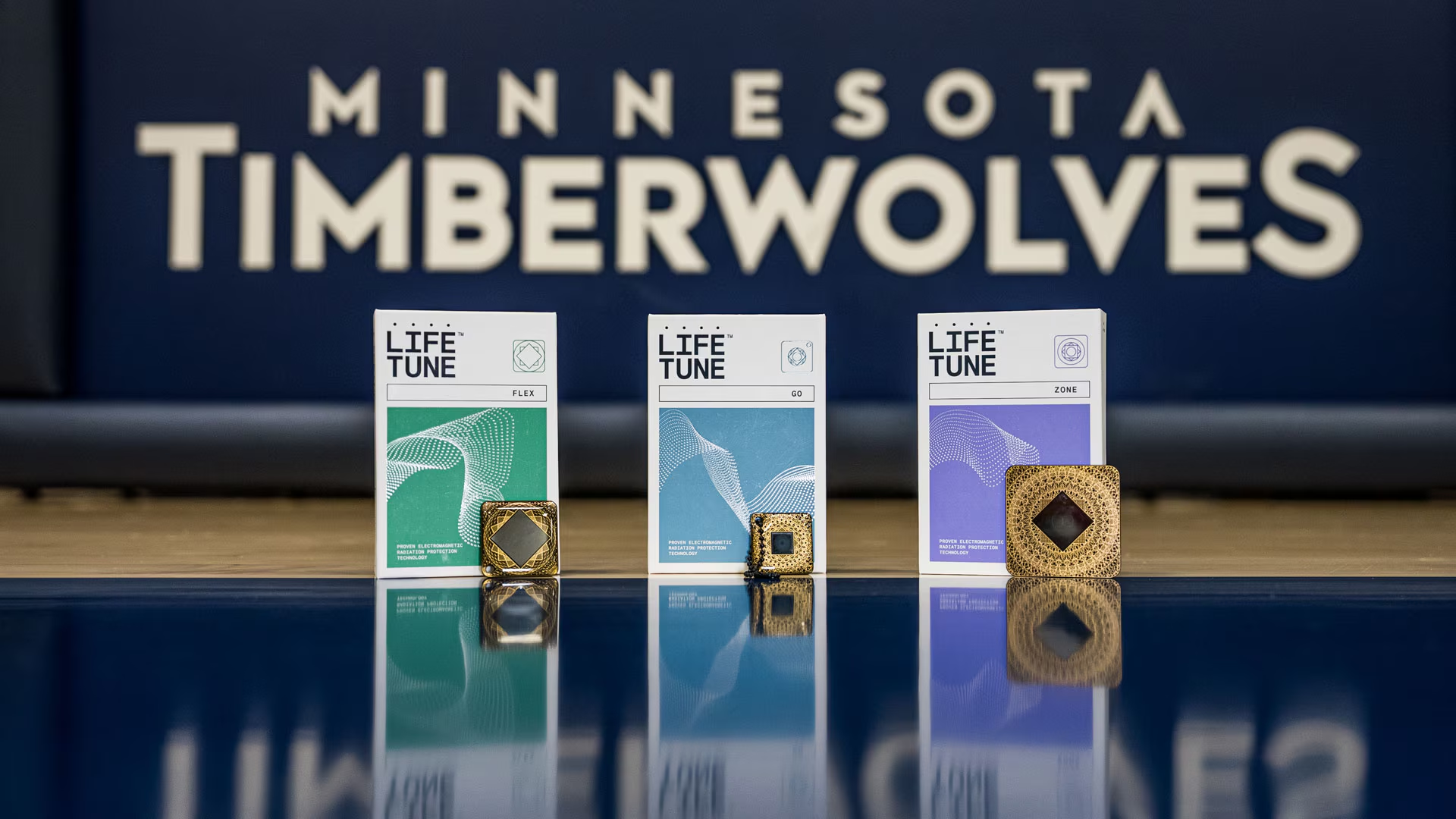
Aires Tech LifeTune Products at a Glance
If you don’t want to dig through every specification, the biggest difference between the LifeTune products is where and how you intend to use them.
| Product | Starting Price | Designed For | Coverage / Use |
|---|---|---|---|
| LifeTune One | $99.99 | Individual electronic devices | Applied directly to a phone, tablet, headphones, etc. |
| LifeTune Go | $219.99 | Personal portable use | Wear or attach to personal belongings |
| LifeTune Flex | $239.99 | Portable personal/environmental use | Up to 42 ft radius |
| LifeTune Zone | $259.99 | Cars, bedrooms, offices & small spaces | Up to 93 ft diameter |
| LifeTune Zone Max Pro | $349.95 | Larger environments | Up to 139 ft |
Prices and specifications may change. Check current product information before purchasing.
The simplest way to narrow down the lineup is to ask:
Do you want something for one device, something that moves with you, or something designed to stay within a particular space?
That distinction matters more than simply choosing the most expensive model.
How Does Aires Tech Say Its Technology Works?
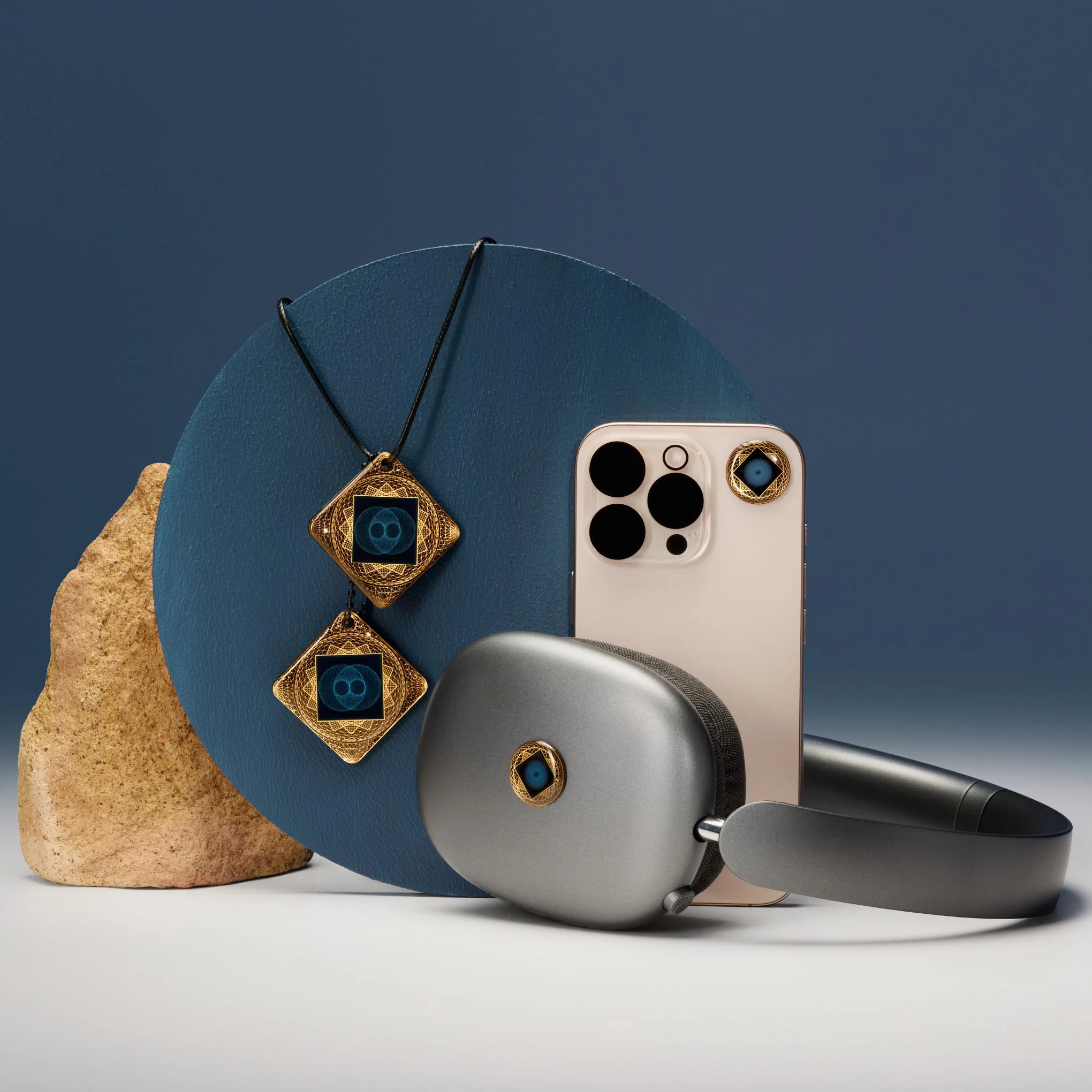
Most conventional approaches to reducing radiofrequency exposure focus on changing your behavior—such as increasing your distance from a device—or reducing or blocking the source.
Aires takes a different approach.
According to the company, its products use patented silicon resonator technology designed to interact with electromagnetic fields produced around modern electronics.
Rather than blocking those signals, Aires says its technology modifies or restructures the electromagnetic environment while allowing connected devices to continue operating normally.
That’s an important distinction because LifeTune products are not signal blockers.
Your phone should still connect to cellular networks. Your Wi-Fi continues operating, and Bluetooth devices remain connected.
Products such as LifeTune Flex and Zone use Aires’ 16S5G silicon resonator chip, and neither requires batteries, charging, an app, or ongoing electronic maintenance.
Aires also publishes research and third-party testing supporting its technology, including demonstrations involving EEG measurements. However, consumers should distinguish between evidence presented by the manufacturer and broader scientific or regulatory consensus regarding everyday EMF exposure and health.
If you’re considering LifeTune primarily for health reasons, it’s worth reviewing the underlying research rather than making a purchase based only on marketing claims.
1. LifeTune One – The Simplest Place to Start

Starting from $99.99
LifeTune One is the most straightforward and least expensive option in the lineup.
Instead of creating coverage around a room or traveling independently with you, it is designed to be applied directly to an electronic device.
Typical applications include:
- Smartphones
- Tablets
- Headphones
- Other personal wireless electronics
There are no batteries to recharge and no companion app to configure. Once properly applied, it remains with the device.
Who Is LifeTune One For?
One makes the most sense if your interest in Aires revolves around one or a few frequently used devices.
For example, if most of your day involves your smartphone, you may not need to jump immediately to a $200–$300+ solution intended for broader environments.
Its lower starting price also makes it the easiest entry point for someone who wants to explore Aires technology without buying one of the larger products first.
The trade-off is straightforward: LifeTune One is tied to the device rather than your surrounding space.
If you regularly move between a laptop, phone, office, car, and other wireless environments, one of the portable products may fit your routine better.
2. LifeTune Go – Made to Move With You
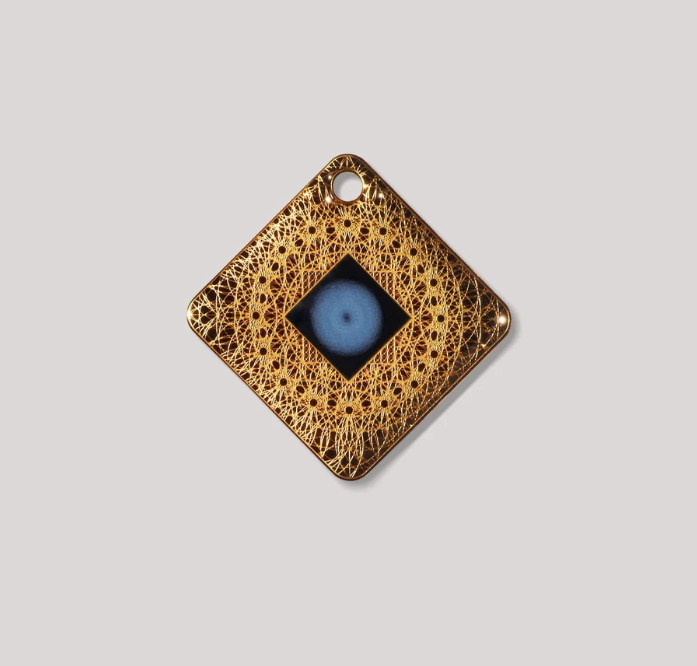
Starting from $219.99
LifeTune Go changes the concept from protecting a particular device to having an Aires product travel with you.
It’s designed as a portable wearable that can be worn or attached to everyday belongings such as:
- Keys
- Bags
- Backpacks
- Personal accessories
That makes it more convenient for people who don’t spend their day around one particular device or location.
Instead of putting separate products on everything you use, Go is intended to accompany you as your environment changes.
One or Go?
This is probably the easiest comparison in the lineup.
Choose LifeTune One if your priority is a specific device.
Consider LifeTune Go if portability is more important and you want something designed to move through your daily routine with you.
The price jump from $99.99 to $219.99 is significant, so there’s little reason to choose Go purely because it’s positioned above One. Its value depends on whether the portable format is genuinely useful to you.
3. LifeTune Flex – Portable Coverage for Everyday Environments
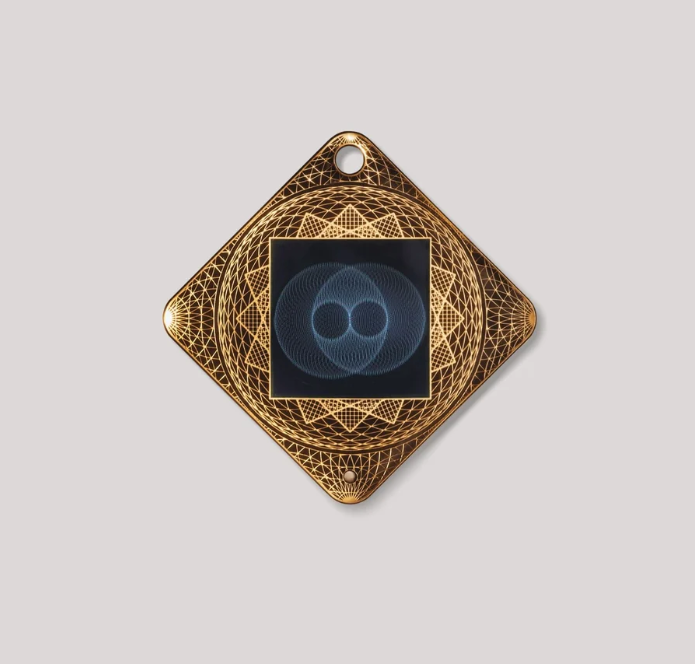
Starting from $239.99
LifeTune Flex is where the product lineup starts becoming more interesting for people who move between different wireless environments.
According to Aires, Flex provides coverage of up to a 42-foot (12.8 m) radius and uses its 16S5G silicon resonator chip.
It’s compact—approximately 1.37 × 1.37 inches (35 × 35 mm)—and designed to attach to keys, bags, clothing, or a lanyard.
Compatible environments can include nearby:
phones, laptops, tablets, Wi-Fi routers, Bluetooth devices, and 3G, 4G, LTE, and 5G technology.
Aires particularly positions Flex toward people who regularly spend time in wireless-heavy environments, from offices and public spaces to airports and other locations containing numerous connected devices.
Why Choose Flex Over Go?
Both products emphasize portability, so this is one of the comparisons worth considering carefully.
Flex is specifically marketed around its 42-foot-radius coverage and environmental use. That may make it more attractive if you’re thinking beyond one wearable and want a product intended to accompany you through offices, shared workspaces, travel, and home environments.
It doesn’t require charging or setup and is designed to work while attached to you or your belongings.
However, there are limitations to how it should be used. Aires warns against exposing Flex to extreme heat or humidity, including environments such as saunas and hot tubs, because doing so can damage the product and void the warranty.
4. LifeTune Zone – For a Room, Office, or Car
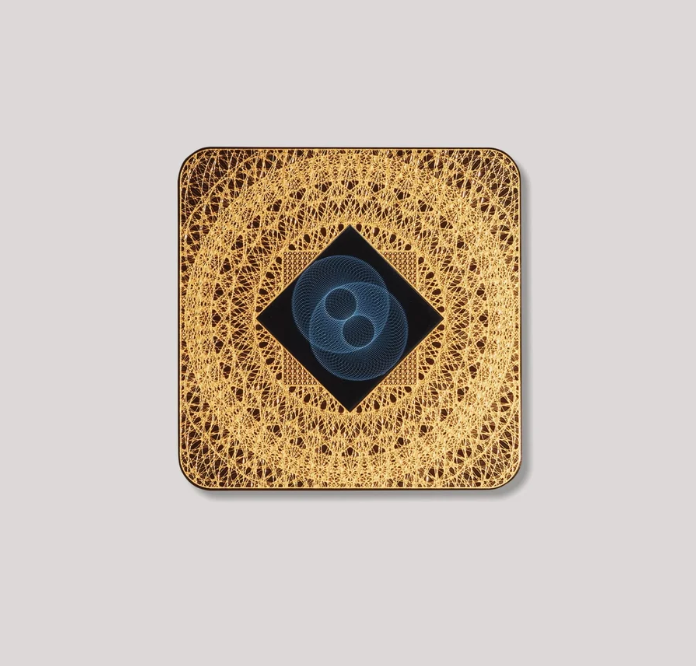
Starting from $259.99
At only $20 more than Flex based on the listed starting prices, LifeTune Zone may initially look like an obvious upgrade.
But that’s not quite how the two products should be compared.
Flex moves with you. Zone is designed to stay in a space.
Aires states that LifeTune Zone covers up to 93 feet (28.3 m) in diameter, making it suitable for places such as:
- Bedrooms
- Offices
- Living rooms
- Cars
- Small shared spaces
It measures approximately 53 × 53 × 2 mm and also uses the 16S5G silicon resonator chip.
Like Flex, it requires no charging or batteries.
The Important Difference: Don’t Carry Zone Like Flex
Although Zone is lightweight enough to move between locations, Aires describes it as a product intended for stationary use on a stable surface or secure stand.
It should not simply be carried loose in your pocket or bag.
That distinction gives the two products clearly different roles.
Flex: take it with you.
Zone: take it to a space, then position it there.
For someone who primarily wants an Aires product in a bedroom, home office, workspace, or vehicle, Zone therefore makes more sense than paying for portability you don’t actually need.
As with Flex, extreme heat and humidity can damage Zone and may void its warranty.
5. LifeTune Zone Max Pro – When You Want Broader Coverage
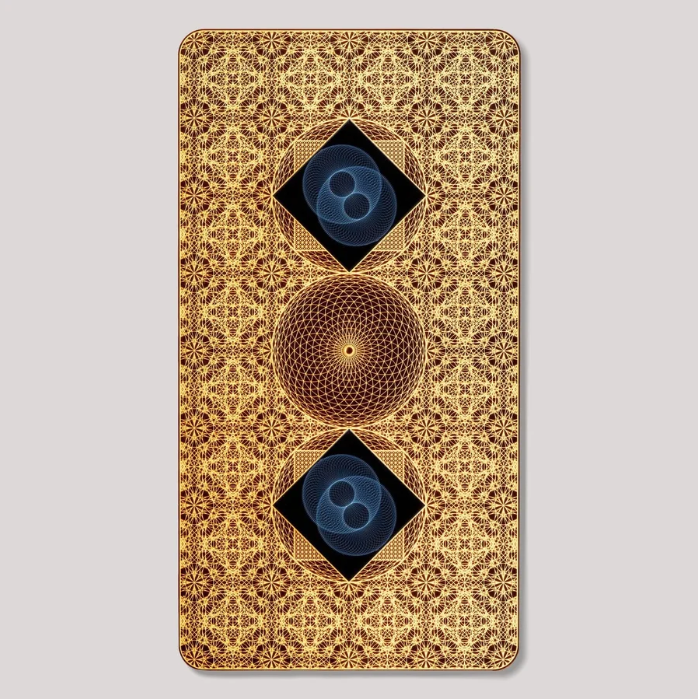
Starting from $349.95
Zone Max Pro sits at the top of this selection and is intended for people looking beyond individual devices or smaller spaces.
Aires lists coverage of up to 139 feet, making it the broadest-coverage option among the five products covered here.
That naturally makes it more relevant for larger environments than LifeTune Zone.
But bigger isn’t automatically better.
If you’re primarily interested in a smartphone, LifeTune One is much more targeted. If you want something traveling with you, Flex or Go may make more practical sense. And if the intended location is simply a car or smaller room, Zone already occupies that position in the lineup.
Zone Max Pro becomes more interesting when coverage area itself is the priority.
What Should You Consider Before Buying Aires Tech?

1. Start With the Use Case, Not the Most Expensive Product
The $349.95 Zone Max Pro isn’t necessarily more useful than a $99.99 LifeTune One.
Someone primarily concerned about their phone may be better matched to One. Someone who constantly changes locations may get more practical value from Flex.
Decide where the product will actually spend most of its time before comparing prices.
2. Understand What You’re Buying
Aires products aren’t Faraday cages or conventional signal-blocking products.
They’re specifically marketed around Aires’ silicon resonator technology, which the company says interacts with electromagnetic fields without disrupting device connectivity.
Your Wi-Fi and phone signal should therefore continue operating.
If your objective is specifically to physically block wireless transmissions, that’s a fundamentally different product category.
3. Look at the Evidence Yourself
Aires publishes research, testing, and demonstrations in support of its technology, including work involving EEG measurements and biological responses.
For a product category involving health-related claims, reading the underlying evidence is preferable to relying on testimonials, influencer content, or marketing summaries alone.
Consumers should also recognize that scientific discussion around everyday RF-EMF exposure and claimed protective technologies is broader than the evidence presented by any single manufacturer.
4. Follow the Usage Instructions
Flex and Zone may look like simple passive accessories, but they aren’t intended to be used identically.
Flex is designed to travel with you.
Zone should be positioned in the intended environment.
Both should be kept away from extreme heat and humidity that could damage them or invalidate warranty coverage.
Final Verdict
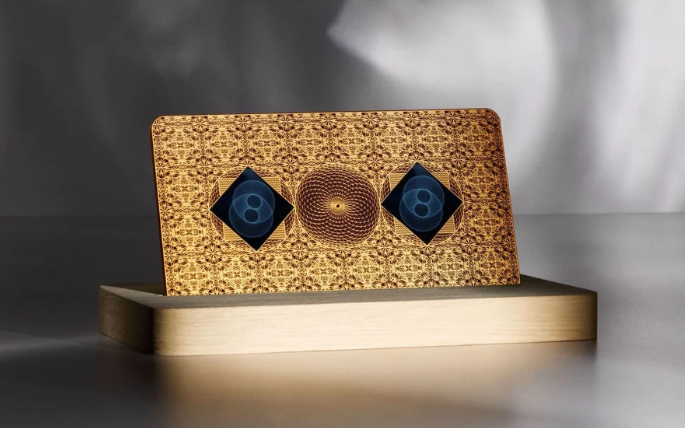
The strongest part of the Aires Tech lineup isn’t necessarily one particular product—it’s the fact that the five options address noticeably different use cases.
For someone curious about the technology who primarily uses a smartphone or another personal wireless device, LifeTune One provides the simplest entry point at $99.99.
LifeTune Go makes more sense when wearable portability is the priority.
LifeTune Flex goes further toward an everyday portable solution, with Aires stating coverage of up to a 42-foot radius.
Once the priority shifts from you to a particular space, LifeTune Zone becomes the more logical option. Its stated 93-foot-diameter coverage is designed around environments such as cars, bedrooms, living rooms, and offices.
And Zone Max Pro is the option to investigate when you need broader stated coverage of up to 139 feet.
The key is not to automatically buy the product with the biggest coverage number.
Start with one question:
Where do I actually want to use it?
Then compare Aires’ claims, research, price, coverage specifications, and return terms against your expectations before making the purchase.
For consumers already interested in EMF-focused wellness technology, Aires offers an unusual approach that doesn’t require switching off connected devices or sacrificing Wi-Fi and cellular connectivity. Whether its underlying evidence meets your personal threshold is something worth researching alongside the product specifications themselves.

Continue exploring
Related field notes

Best Shore Excursions: Where to Book Cruise Tours Online
Best Shore Excursions are easier to find when you compare tours by port, schedule, group size, and activity instead of choosing the…
Read the guide
BookRetreats Review 2026: Is It Worth Booking Your Wellness & Yoga Retreat Through BookRetreats?
BookRetreats was created to eliminate the common frustrations of planning a wellness getaway, where finding the right experience rarely feels as peaceful…
Read the guide
I Want That Flight Review 2026: Should You Use This Aussie Flight Tool?
I Want That Flight is an indispensable tool for anyone trying to navigate the expensive realities of domestic and international air travel…
Read the guide