
7 European Cities That Are Surprisingly Easy to Explore by Bike
When exploring Europe Cities, getting around on two wheels can completely change how much you see in a single day. Instead of spending your time underground on the metro or walking long distances between landmarks, cycling lets you…
2. Berlin – When the Landmarks Aren’t All Next Door
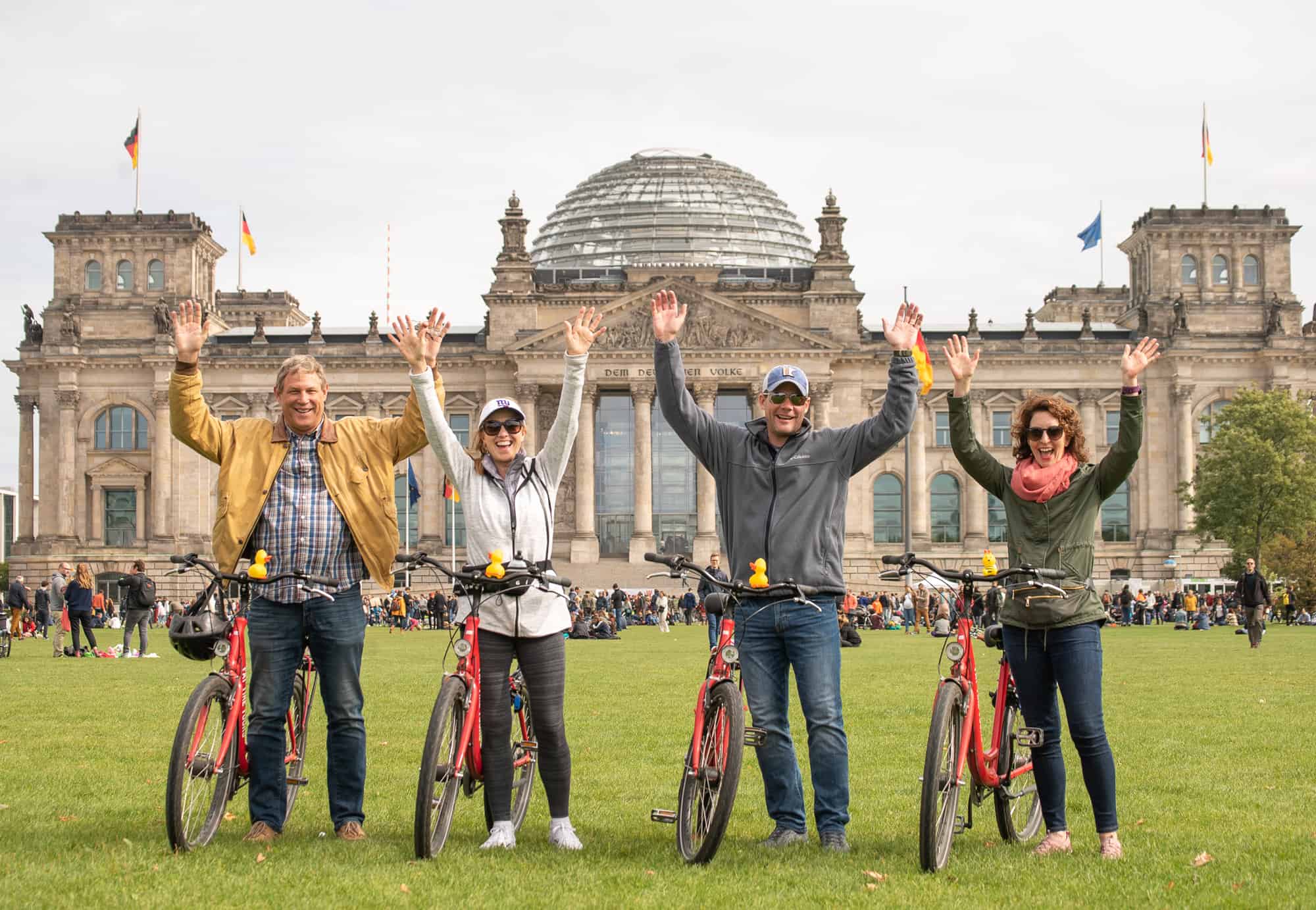
Berlin is a particularly compelling city to explore by bike because many of its important sights are spread across a fairly large urban area.
Walking between every historical landmark can consume a significant part of your day. Cycling makes it easier to connect places associated with different chapters of Berlin’s history while still seeing the streets and neighborhoods between them.
A bike tour can combine landmarks such as the Berlin Wall, Brandenburg Gate and Reichstag within one outing rather than treating each as an isolated stop.
The relatively spacious character of many parts of Berlin also makes the experience feel quite different from cycling through tightly packed historic centers elsewhere in Europe.
The Berlin Bike Tour: The Highlights from Baja Bikes lasts around 3-3.5 hours and includes a bicycle and Dutch-speaking guide.
From: €34.50 per person
Duration: 3-3.5 hours
Highlights: Berlin Wall, Brandenburg Gate, Reichstag and more
Good fit for: History-focused travelers and families
If you only have a couple of days in Berlin, cycling early in your trip can also help you decide which neighborhoods or landmarks you want to revisit later.
3. Prague – More Than a Walking Destination
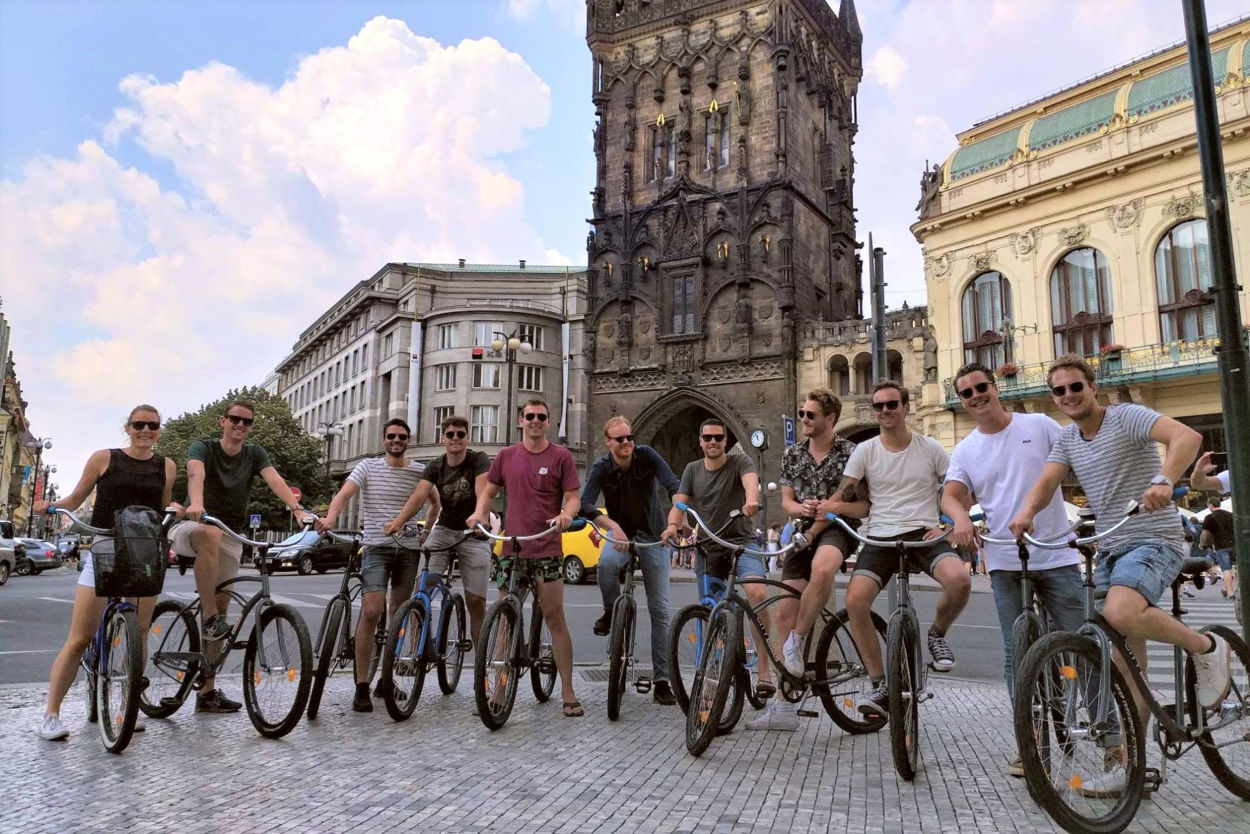
Prague might not be the first European capital that comes to mind when you picture a cycling holiday. Its cobbled streets, historic center and hills make walking seem like the obvious choice.
That’s precisely why a bike tour can be interesting.
Instead of limiting yourself to the busiest pedestrian areas, a planned cycling route lets you cover a wider section of Prague while still stopping at its major sights. It’s especially useful for travelers on a short city break who want an overview before spending more time exploring individual neighborhoods on foot.
You should, however, expect terrain and street surfaces to vary. Prague isn’t Copenhagen, and choosing a sensible route matters more here.
Baja Bikes offers a Prague Bike Tour: The Highlights, starting in the city center and covering major sights over approximately three hours.
From: €37.50 per person
Duration: 3 hours
Guide: Dutch-speaking
Good fit for: First visits and short stays
For Prague, a guided ride makes particular sense if you’re unfamiliar with the city. Once you’ve learned which streets and areas are comfortable to cycle, independent exploration becomes easier.
4. Copenhagen – The City Where Cycling Feels Natural
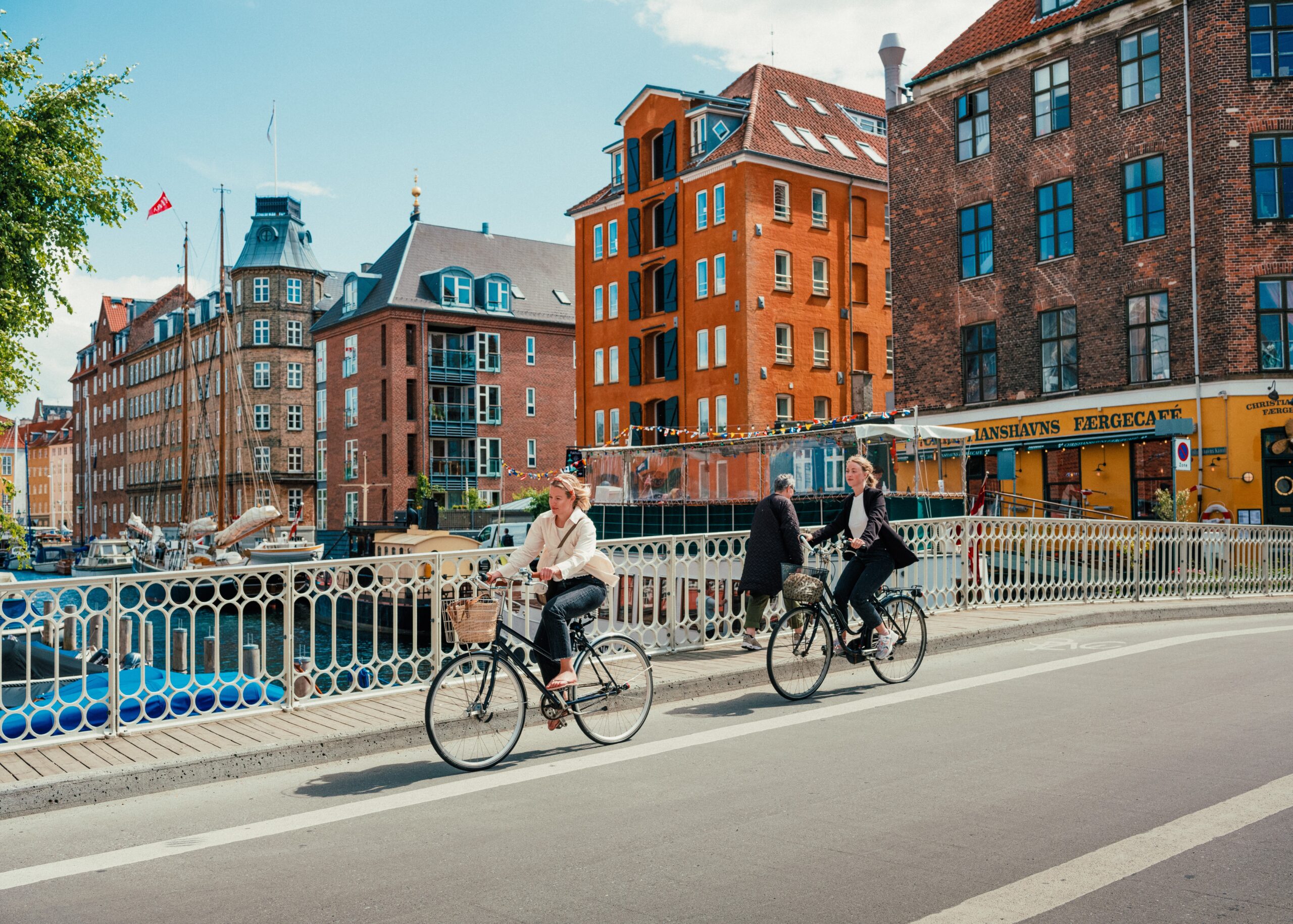
Copenhagen is the least surprising inclusion on this list but leaving it out of a European cycling guide would be difficult.
Here, the bicycle isn’t simply a sightseeing vehicle. It’s part of everyday transportation.
That makes Copenhagen an approachable place for visitors who want to experience a European city from the saddle without making cycling the challenging part of the trip.
A three-hour ride is enough to connect several major attractions while also experiencing the city’s cycling culture firsthand. Rather than repeatedly stopping to work out how to travel from one attraction to another, the journey itself becomes part of the sightseeing.
The Copenhagen Bike Tour of the Highlights lasts around three hours and includes sights such as the Little Mermaid.
From: DKK 399 per person
Duration: 3 hours
Guide: Dutch-speaking
Good fit for: First-time cyclists, couples and city-break travelers
For travelers nervous about cycling abroad, Copenhagen can be one of the more approachable places to begin, provided you pay attention to local cycling etiquette and other riders around you.
5. Rome – Ancient Sights and Historic Streets on Two Wheels
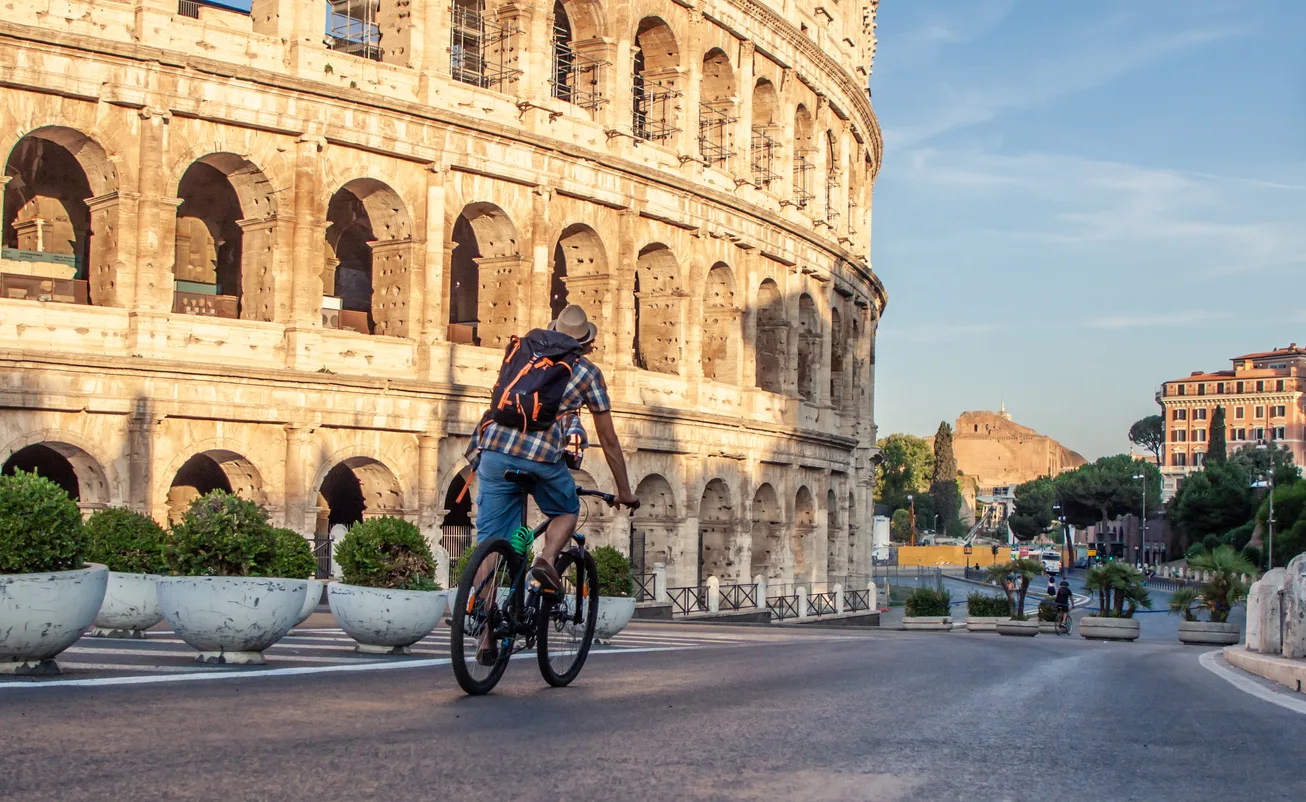
Rome is probably the biggest surprise on this list.
The Italian capital is famous for ancient ruins, crowded streets and seemingly endless things to see. That doesn’t make every part of Rome ideal for casual cycling, but a carefully planned bike route can connect an impressive number of landmarks without requiring you to walk between them all.
The biggest advantage is range. In a few hours, you can move between areas such as Trastevere, the Colosseum, Trevi Fountain and Roman Forum, while experiencing the streets connecting these famous places.
For travelers concerned about the physical effort, there’s another option: an e-bike.
The Rome Bike Tour: The Highlights has been part of Baja Bikes’ offering since 2005 and is now also available with an e-bike.
From: €42.50 per person
Duration: 3 hours
Options: Regular bike or e-bike
Highlights: Trastevere, Colosseum, Trevi Fountain, Roman Forum and more
Good fit for: Travelers who want to cover more ground in limited time
Rome is one city where we’d lean toward guided cycling before independent rental, particularly for first-time visitors. Knowing where to ride can make a considerable difference to the experience.
6. Paris – A Different Way to Connect the Classics
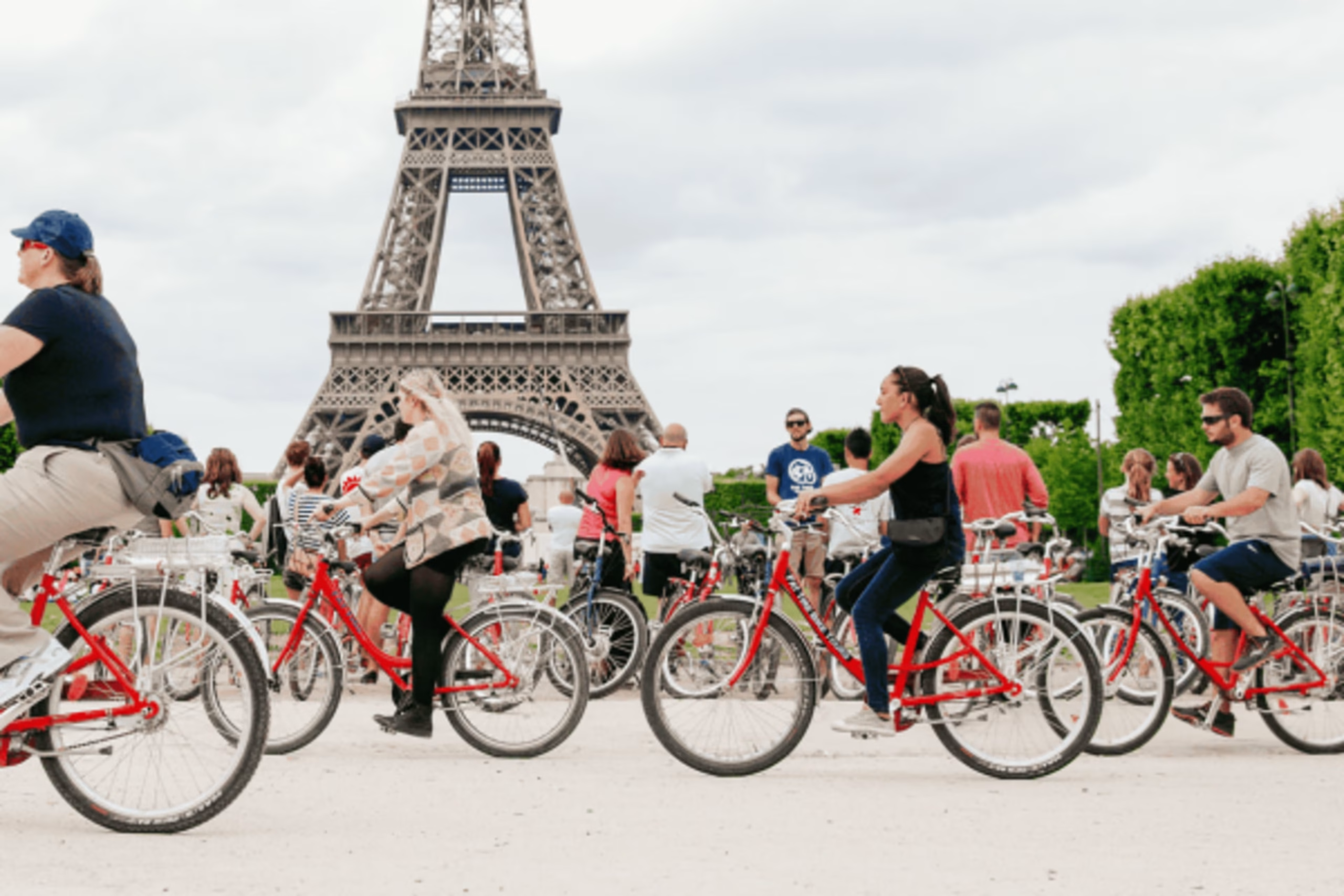
Paris invites long walks, but the distances between attractions can add up quickly.
Cycling provides a useful middle ground: faster than walking but much more connected to your surroundings than traveling underground.
Instead of seeing only a metro entrance at one end and a famous landmark at the other, you experience the boulevards, bridges and everyday streets in between.
It can work particularly well at the beginning of a Paris stay. Once you’ve seen the city’s layout from street level, deciding where to spend your remaining days becomes easier.
Baja Bikes’ Paris Bike Tour: The Highlights takes approximately 2.5-3 hours and makes stops at attractions including Les Invalides and the Louvre.
From: €45 per person
Duration: 2.5-3 hours
Guide: Dutch-speaking
Family option: Children’s bikes available
Good fit for: Couples, families and first-time visitors
Families should check the appropriate bike and child options for their group before booking rather than assuming the same equipment is available for every departure.
7. London – Royal Sights, Parks and a Lot of Ground to Cover
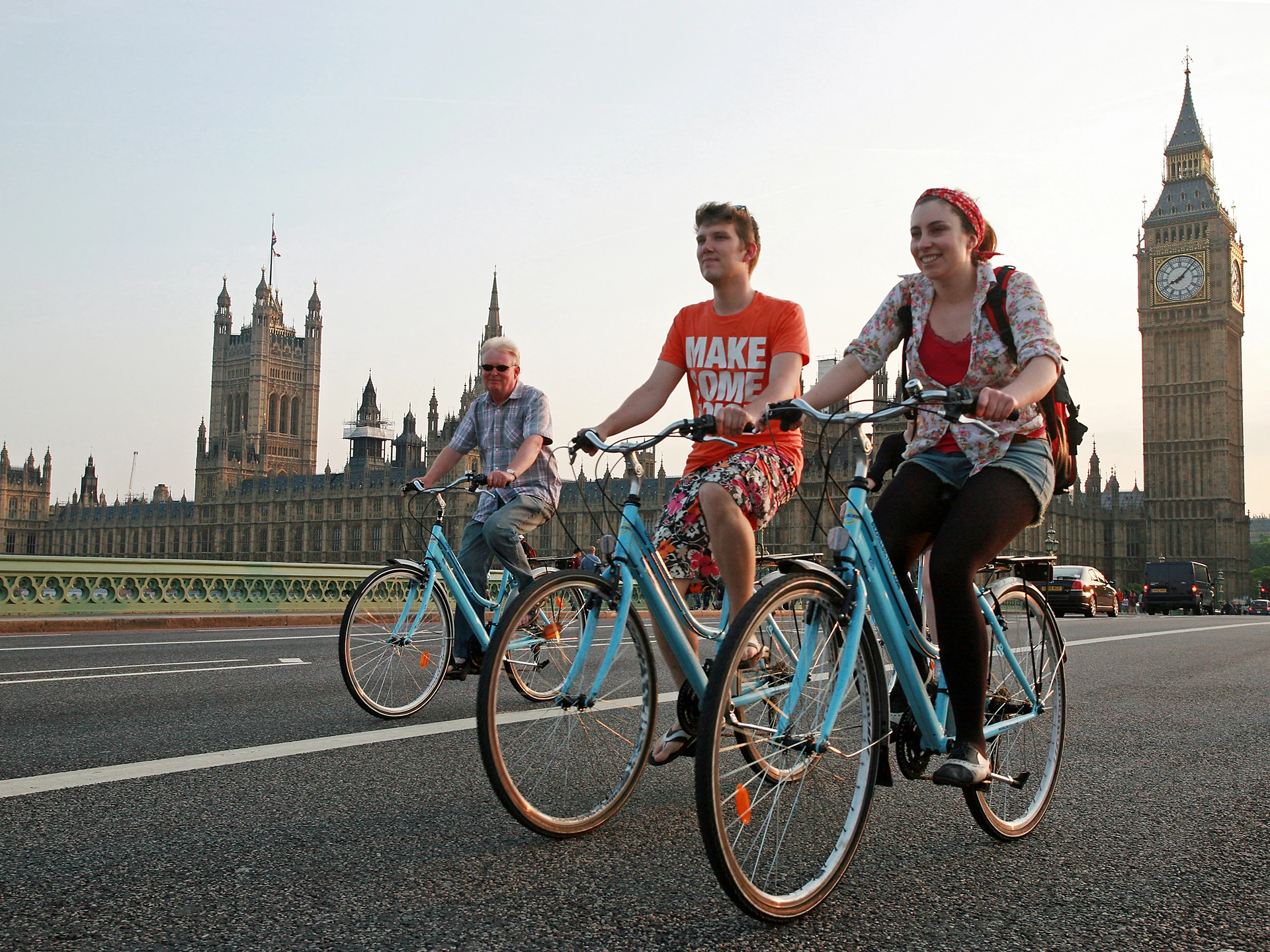
London’s sheer size makes sightseeing both exciting and exhausting.
Trying to connect its famous landmarks entirely on foot isn’t realistic for most visitors, while spending much of your trip on the Underground means missing the streets between them.
Cycling offers another perspective.
A planned route can combine London’s recognizable royal sights with parks and city streets, making it easier to cover a larger area without turning sightseeing into a race between Tube stations.
Families are also specifically catered for on Baja Bikes’ London Highlights experience, making London one of the more interesting options on this list for parents traveling with children.
The London Bike Tour: The Highlights combines approximately 3.5 hours of cycling with a distinctly royal theme.
From: £45 per person
Duration: 3.5 hours
Guide: Dutch-speaking
Good fit for: Families and first-time London visitors
London’s traffic can still feel intimidating if you’re not accustomed to cycling in a major city, and remember that traffic travels on the left. A guided introduction can therefore be useful before considering an independent rental.
Which European City Should You Explore by Bike?
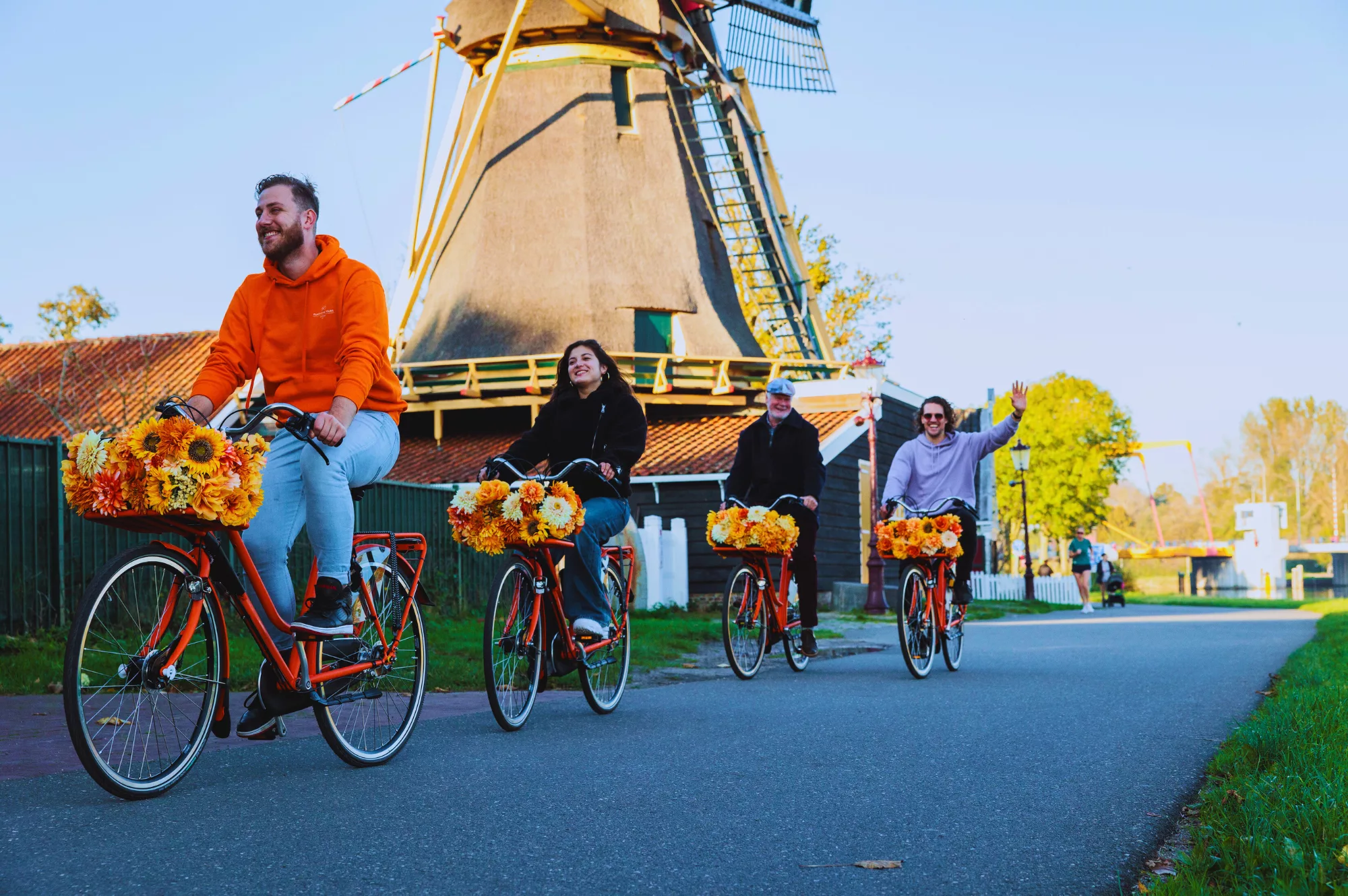
These seven destinations don’t offer the same cycling experience, and that’s part of the appeal.
If you’re trying to narrow down your options, think less about which city is “best” and more about what you want from the ride.
| If You Want… | Consider |
|---|---|
| An easy introduction to urban cycling | Copenhagen |
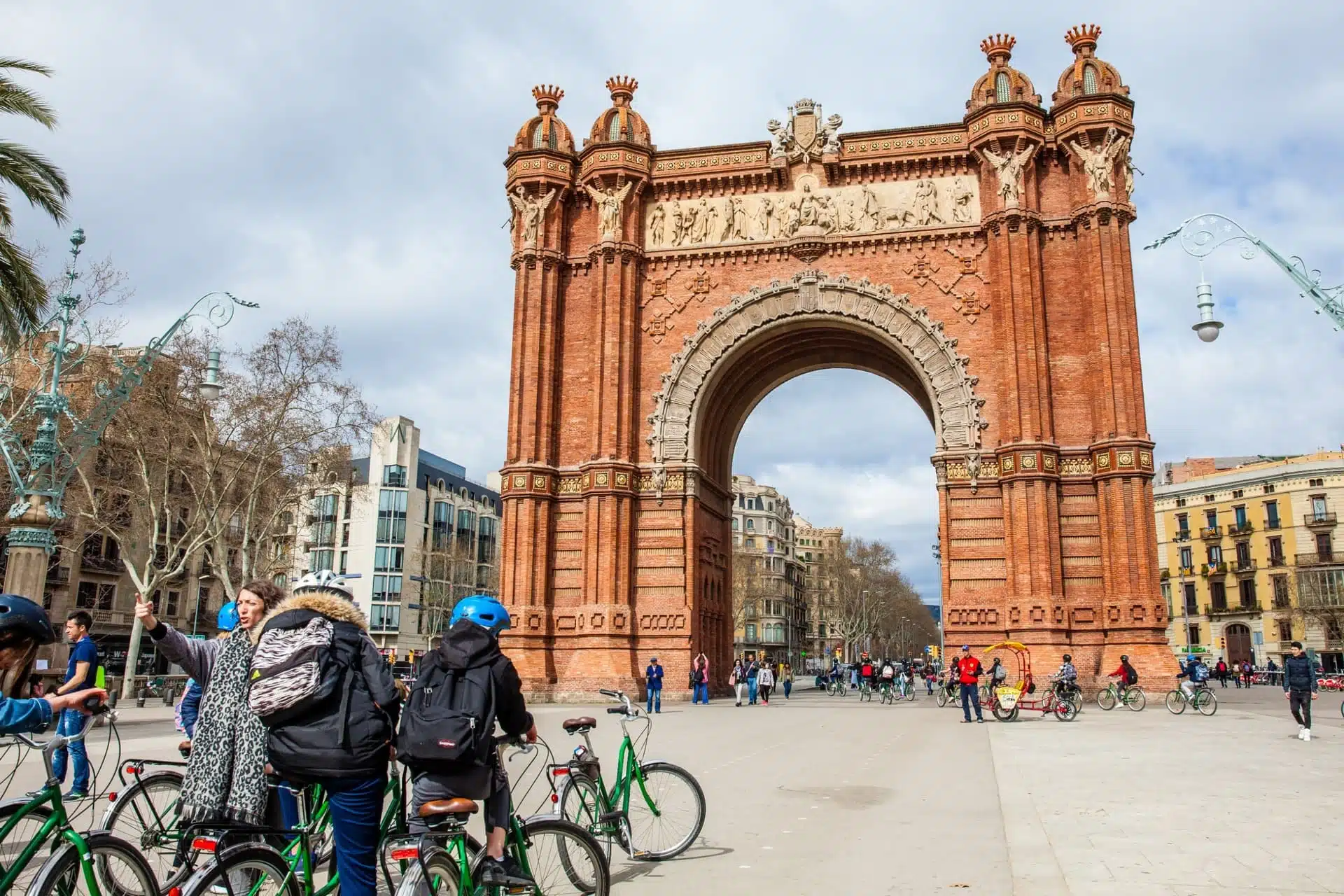
| Architecture and Gaudí landmarks | Barcelona |
| Modern European history | Berlin |
| A compact city-break experience | Prague |
| Ancient landmarks with an e-bike option | Rome |
| Classic landmarks and boulevards | Paris |
| A family-oriented sightseeing ride | London |
And there’s another obvious cycling destination missing from this list: Amsterdam.
We’ve covered it separately in our Best Baja Bikes Amsterdam Tours for First-Time Visitors guide, including different experiences to consider when visiting the Dutch capital.
Guided Bike Tour or Bike Rental?
Once you’ve picked the city, there’s another decision to make: follow a guide or take the handlebars yourself?
Neither option is inherently better.
Choose a guided bike tour when…
You’re visiting the city for the first time, have limited sightseeing time or aren’t confident choosing cycling routes yourself.
A guide also provides something GPS can’t: context. Rather than simply arriving at a landmark, you can learn why it matters and how it fits into the city’s history.
Rent a bike when…
You already know roughly where you want to go and prefer flexibility over structure.
Rental works especially well for returning visitors who don’t need another introduction to the main attractions. You can stop for coffee, change direction or spend an hour somewhere that wasn’t originally on the itinerary.
Or combine both
This is perhaps the most practical approach:
Day 1: Guided bike tour → Day 2: Independent bike rental
The first ride teaches you the city’s layout. The second lets you use that knowledge.
If you’d like a closer look at what the company offers before deciding, our Baja Bikes Review (2026): Is It Really Worth Booking? covers the service in more detail.
What to Know Before Cycling in European Cities
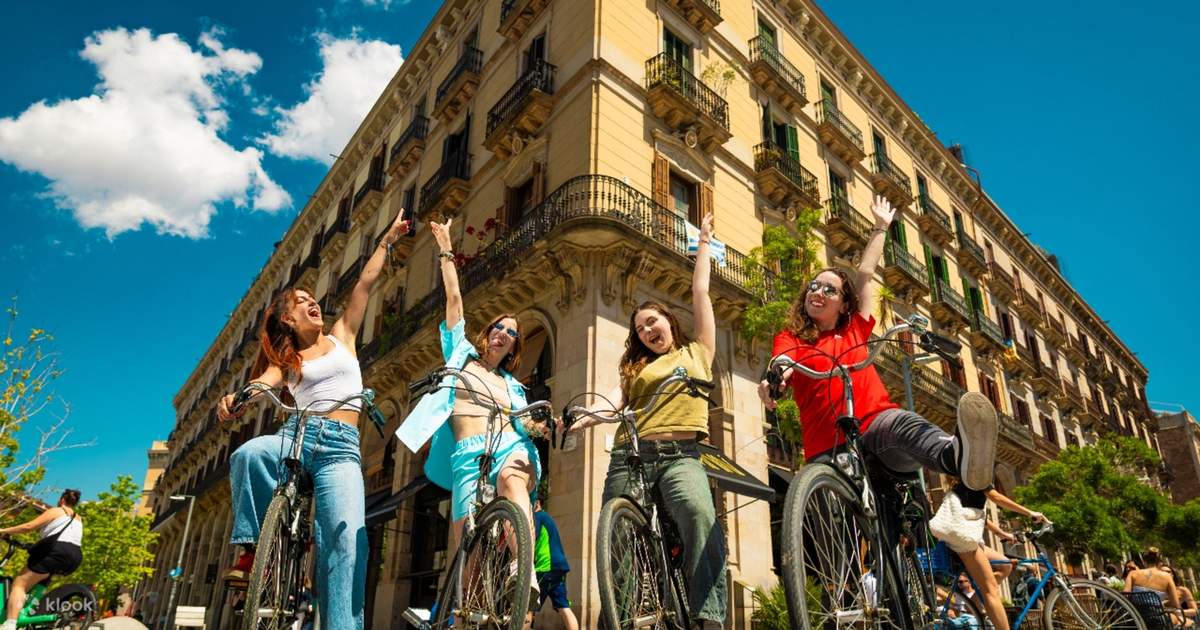
Cycling around Copenhagen isn’t the same as riding through Rome, so don’t assume rules, infrastructure or road conditions will be identical from one destination to another.
A few basics make the experience easier:
- Learn local cycling rules. Bike lanes, traffic signals and right-of-way rules vary by country.
- Choose the bike for the route. An e-bike can make longer distances or hills considerably easier.
- Check children’s equipment in advance. Availability of children’s bikes, seats and other equipment varies by location.
- Watch the weather. Rain, heat and strong wind can completely change how a three-hour ride feels.
- Don’t follow pedestrians blindly. Cycling routes and pedestrian routes aren’t necessarily interchangeable.
- Leave some flexibility. A bike tour is most useful as part of your trip, not something you have to rush between two tightly scheduled activities.
Most importantly, choose a ride that matches your confidence level. Covering fewer kilometers comfortably is better than choosing an ambitious route simply because it fits more landmarks onto the map.
Final Thoughts: See More Without Rushing Through It
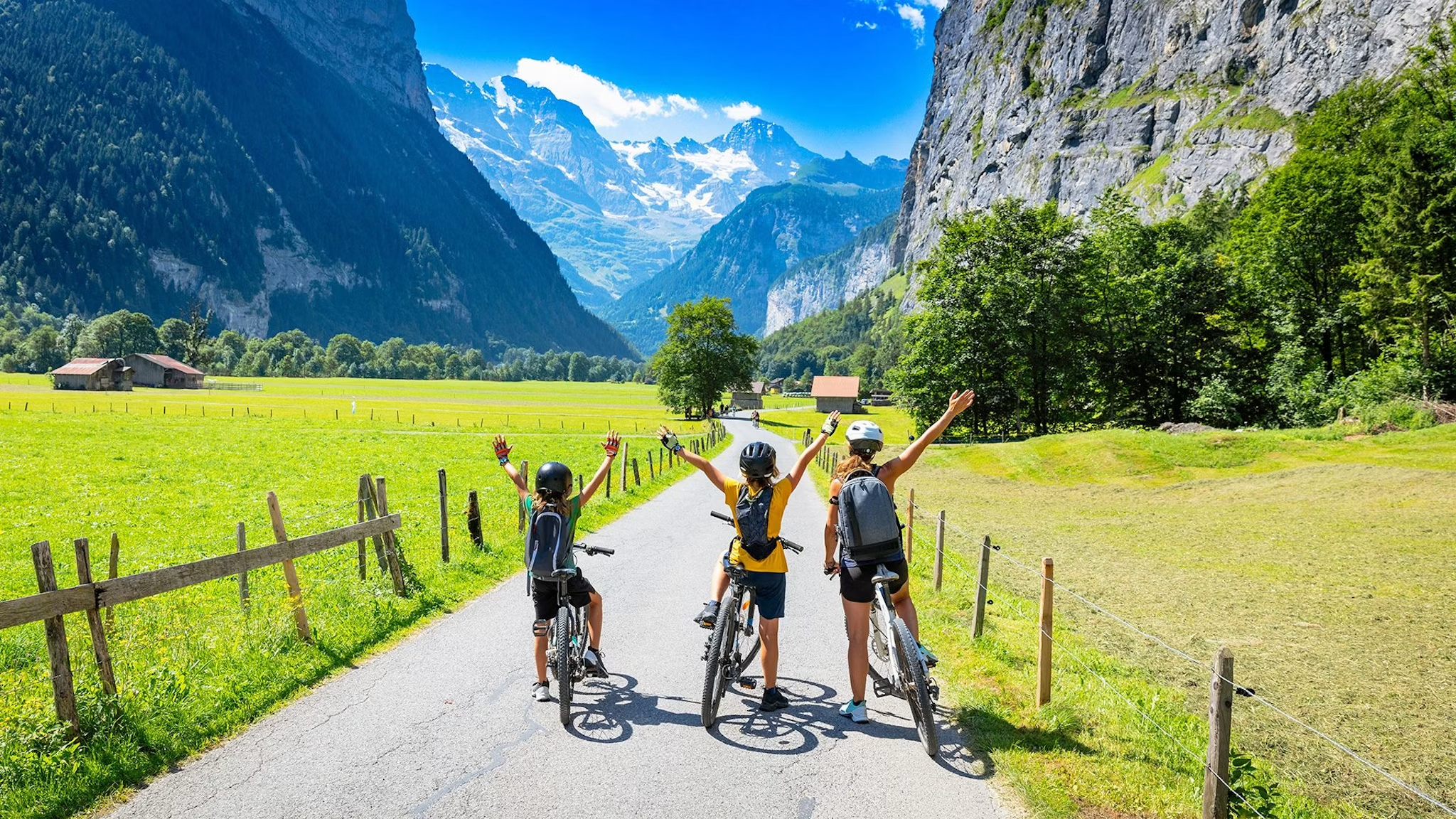
The real advantage of exploring Europe by bike isn’t simply that you can move faster.
It’s what happens between the landmarks.
In Berlin, that might mean understanding how different historical sites connect across the city. In Barcelona, it’s watching the architecture change from one neighborhood to another. In Copenhagen, simply joining the flow of bicycles offers a glimpse into everyday local life. And in Rome, cycling can reveal just how much history exists between the attractions you’ve already pinned on your map.
A guided tour makes sense when you want context and an easy introduction. A rental makes sense when freedom matters more. And sometimes the ideal trip includes both.
You don’t need to turn your European holiday into a cycling vacation, either. Three hours on a bike may be enough to change how you see the city for the rest of your stay.

Continue exploring
Related field notes
Best Yacht Destinations: Where to Go by Yacht in 2026
If you are searching for Best Yacht Destinations, the right place can turn a simple boat rental into an unforgettable holiday. From…
Read the guide
Best Car Rental Deals: Why DiscoverCars Is a Top Choice for Comparing Rental Cars
Best Car Rental Deals are easier to find when you can compare prices, rental conditions, supplier ratings, and vehicle types in one…
Read the guide
Best Tour Guide 2026: Top Destinations & Tours with Amstar DMC
If you are looking for the Best Tour Guide for a Caribbean or Mexico vacation, Amstar DMC is worth considering for its…
Read the guide