
Best Time to Visit Iceland: When to Go, Where to Drive & What to See
Best Time to Visit Iceland depends on what you want from the trip: long daylight and accessible roads in summer, Northern Lights and snowy scenery in winter, or a quieter shoulder season with a balance of both. Quick…
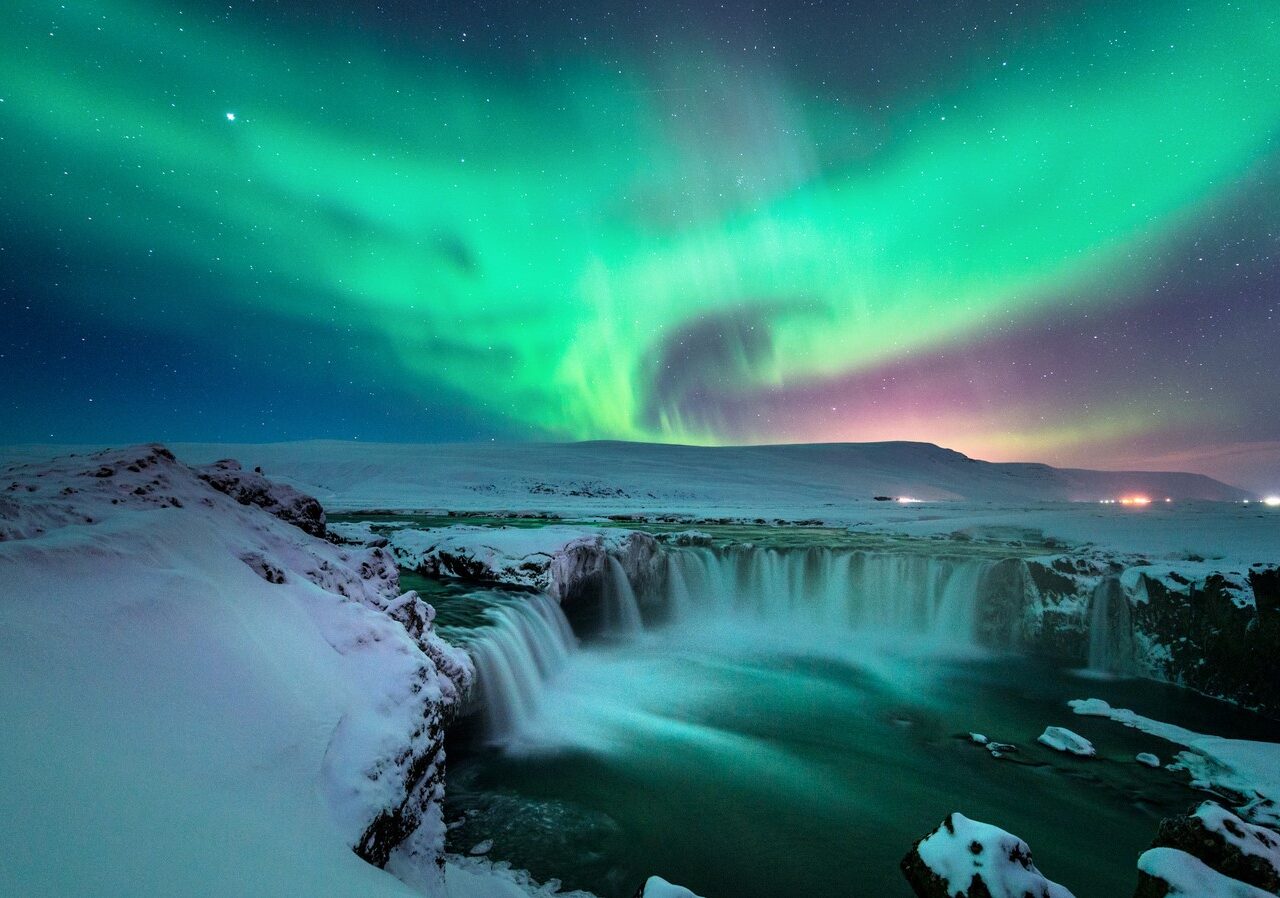
Best Time to Visit Iceland depends on what you want from the trip: long daylight and accessible roads in summer, Northern Lights and snowy scenery in winter, or a quieter shoulder season with a balance of both.
Quick Verdict

There is no single perfect month for every traveler. June through August is the easiest period for a classic road trip, with long days and generally broader access. Late August through April is the window for Northern Lights, while September and May can appeal to travelers who want fewer crowds and a changing landscape. Iceland’s weather can change quickly in every season, so flexibility matters more than chasing a supposedly perfect forecast.
If you plan around the Best Time to Visit Iceland and drive, the Best Time to Visit Iceland also affects vehicle choice. A compact car can work well for Reykjavík and major paved routes in favorable conditions, while a suitable 4×4/AWD becomes more relevant for travelers planning routes where that vehicle is legally permitted.
Why Timing Matters in Iceland

The Best Time to Visit Iceland changes according to daylight, weather, road access, activities, and your tolerance for crowds. Iceland’s official tourism guide describes the country as a year-round destination, with long summer days contrasted by short winter days. Weather can also shift suddenly, bringing wind, rain, snow, or rapidly changing road conditions.
That makes a flexible itinerary particularly valuable. Instead of planning every day around a fixed driving distance, leave room to change the order of attractions when conditions are better.
For a self-drive vacation, think about five factors:
- Daylight hours
- Road and weather conditions
- Northern Lights opportunities
- Hiking and outdoor activities
- Accommodation and rental-car demand
A trip built around waterfalls, beaches, viewpoints, and scenic drives usually benefits from more daylight. A trip built around aurora hunting needs darkness and clear or partly clear skies.
Iceland by Season


The Best Time to Visit Iceland can be easier to choose when you compare the four seasons side by side.
| Season | Main advantage | Main drawback | Best for |
| Winter | Northern Lights, snow-covered scenery | Short daylight and challenging conditions | Aurora trips |
| Spring | Fewer visitors, changing landscapes | Unpredictable weather | Flexible travelers |
| Summer | Long daylight, road trips, hiking | Higher demand and prices | First-time road trips |
| Fall | Autumn colors, darkening nights | Weather becomes less predictable | Aurora + sightseeing |
Best Time to Visit Iceland: Summer Road Trips

For many first-time visitors, the Best Time to Visit Iceland is between June and August. The major attraction is daylight. Around the summer solstice, Iceland experiences extremely long days, giving drivers more flexibility for scenic routes and allowing travelers to spread sightseeing across a much longer window.
Summer is especially useful if your priority is seeing a lot of the country rather than maximizing your chance of seeing the aurora. Longer daylight can make a Ring Road itinerary more comfortable, while hiking conditions are generally more suitable than in winter.
The trade-off is demand. Popular attractions can feel busier, rental cars and accommodation may need to be booked earlier, and prices can rise during peak travel periods.
Summer also makes more remote landscapes easier to incorporate into an itinerary, although access is always route-specific and conditions can change.
Check Blue Car Rental Options →
Best Time to Visit Iceland: Northern Lights

The Best Time to Visit Iceland for Northern Lights depends on darkness and solar activity rather than a particular calendar month. Visit Iceland states that aurora season runs from late August until late April, and viewing requires sufficiently dark skies plus clear or partly clear conditions.
Winter offers dramatic scenery, fewer daylight hours, and the possibility of seeing the aurora after dark. Reykjavík can work as a base for shorter excursions, while a rental car gives you flexibility to move away from city lights when conditions are favorable.
However, winter driving requires more caution. Strong winds, snow, ice, and limited daylight can affect travel times. A route that looks short on a map may take considerably longer in poor conditions.
Because the Best Time to Visit Iceland can mean winter driving, do not treat a winter itinerary like a summer itinerary with fewer daylight hours. Build in buffers, check road and weather information before departure, and be prepared to cancel or rearrange a driving day.
Spring and Fall: The Shoulder-Season Balance

If your priority is a balance between sightseeing and lower seasonal pressure, the Best Time to Visit Iceland may be in spring or fall.
April and May bring increasing daylight, while September and October bring longer nights and improving aurora opportunities. These periods can be attractive for travelers who want a more flexible trip without committing entirely to winter conditions or summer crowds.
Shoulder seasons are also useful for photographers. The Best Time to Visit Iceland in shoulder seasons is also useful for photographers. Weather can create rapidly changing light, while lower visitor numbers can make some viewpoints feel more relaxed.
The Best Time to Visit Iceland in spring or fall has one downside: unpredictability. Some roads, trails, or activities may operate differently from peak summer, and conditions can change quickly. Always check current road information rather than assuming that a route is open because it was accessible on a previous trip.
Compare Available Blue Car Rental Vehicles →
Where to Go in Iceland by Season


The Best Time to Visit Iceland also depends on which part of the country you want to explore.
For the Best Time to Visit Iceland, the Golden Circle is one of the simplest choices for a first trip because the route connects major attractions relatively close to Reykjavík. It can work throughout the year, although winter conditions require additional care.
For the Best Time to Visit Iceland, the South Coast is ideal for travelers interested in waterfalls, glaciers, black-sand beaches, and dramatic coastal scenery. Sand and ash can be a consideration in exposed areas, particularly when weather conditions become difficult.
For the Best Time to Visit Iceland, West Iceland and the Snæfellsnes Peninsula are good choices for travelers who want varied landscapes without committing to a full Ring Road itinerary. North Iceland offers volcanic landscapes, long valleys, coastal scenery, and a stronger feeling of remoteness.
For the Best Time to Visit Iceland, the Westfjords are more demanding in terms of distance and road planning, so they are better suited to travelers with enough time to avoid rushing.
Ring Road: How Much Time Do You Need?

A major mistake when planning the Best Time to Visit Iceland is not allowing enough days for the route. The Ring Road circles the country, but driving it quickly leaves little room for weather delays, viewpoints, hikes, spontaneous stops, or changes in road conditions.
For a comfortable Best Time to Visit Iceland trip, consider at least a week for a focused itinerary and longer if you want to explore more deeply. Two weeks gives you much more flexibility and makes it easier to include regions beyond the classic southern route.
The Best Time to Visit Iceland should also guide how your rental vehicle matches your itinerary rather than simply your budget. A small car can be practical for paved roads and urban travel, while travelers planning eligible F-road routes need a vehicle permitted for those roads.
F-Roads and the Iceland Highlands

The Best Time to Visit Iceland for the Highlands is generally tied to seasonal road opening and conditions. For the Best Time to Visit Iceland in the Highlands, F-roads are mountain routes with specific restrictions, and not every rental vehicle is permitted on them.
Blue Car Rental states that its 4×4/AWD vehicles are allowed on F-roads. That does not mean every F-road is automatically suitable on every day; travelers still need to follow official road conditions and closures.
Never drive off marked roads to reach a viewpoint or bypass an obstacle. Off-road driving is prohibited in Iceland and can cause significant environmental damage.
See Blue Car Rental 4×4 Options →
Choosing the Right Rental Car
For most travelers, choosing the Best Time to Visit Iceland is only half the planning equation. The other half is choosing a vehicle that fits the season and route.
| Trip style | Practical vehicle approach |
| Reykjavík + short excursions | Small or compact car |
| Golden Circle + South Coast in good conditions | Compact, sedan or small SUV |
| Ring Road in summer | Compact, sedan or SUV depending on luggage |
| Winter self-drive | Vehicle suited to conditions, with careful route planning |
| F-roads | Approved 4×4/AWD only |
Blue Car Rental is relevant here because its fleet includes 4×4/AWD options, while its rental coverage includes CDW, SCDW, Gravel Protection, Theft Protection, and Third-Party Liability. Optional coverage is available for additional risks such as sand and ash damage.
The Best Time to Visit Iceland matters in Iceland because gravel, wind, sand, and changing weather can create different risks from ordinary city driving. The company also offers 24/7 roadside and breakdown assistance, with a separate Roadside Assistance Waiver for assistance-related charges.
The practical Best Time to Visit Iceland advantage is not simply having a rental car; it is having a rental setup that matches the route you actually intend to drive.
What to Know Before Driving

Regardless of the Best Time to Visit Iceland you choose, check conditions shortly before leaving. Iceland’s official tourism information specifically warns that weather can change suddenly and recommends flexible schedules.
For every driving day:
- Check the weather forecast.
- Check current road conditions.
- Confirm that your vehicle is permitted on your planned route.
- Avoid driving to a destination simply because it is on your itinerary.
- Allow extra time for wind, rain, snow, stops, and slower traffic.
- Keep your fuel and charging plan realistic.
Blue Car Rental also notes that its 2026 rental pricing includes a road tax fee of 1,550 ISK per rental day. Because rental terms and prices can change, confirm the current total when booking.
Check Current Rental Prices & Availability →
How to Match Your Trip to Your Interests

The Best Time to Visit Iceland is different for different travelers.
If you want long scenic drives, hiking, and maximum daylight, summer is the logical starting point. If the Northern Lights are your priority, target the darker season from late August through April and stay flexible around cloud cover.
If you want a mixture of sightseeing and aurora potential, the Best Time to Visit Iceland in early fall can provide an appealing compromise. If you dislike winter driving but still want some darkness, late August or early September may be worth considering.
For photographers, shoulder seasons can offer dramatic light and changing weather. For travelers with limited driving experience in winter conditions, a shorter itinerary focused on Reykjavík and nearby attractions may be more manageable than an ambitious cross-country route.
Is Blue Car Rental a Good Fit for an Iceland Road Trip?

The Best Time to Visit Iceland matters, but the rental company you choose can influence how smoothly the trip works in practice.
Blue Car Rental has locations at Keflavík International Airport and in Reykjavík, and it offers key-box pickup options. Its FAQ states that 4×4/AWD vehicles are available for travelers who need vehicles permitted on F-roads. (Blue Car Rental)
Its insurance structure is also worth reviewing before booking. Standard rental coverage includes several protections, while optional packages can address additional risks. Blue Car Rental specifically identifies sand and ash damage as a separate consideration for exposed areas. (Blue Car Rental)
Blue Car Rental Trustpilot Rating
For travelers comparing rental companies, independent customer feedback can provide another useful reference point. At the time of writing, Blue Car Rental Iceland has a 4.8/5 TrustScore from 4,287 reviews on Trustpilot.
| Trustpilot metric | Blue Car Rental Iceland |
|---|---|
| TrustScore | 4.8 / 5 |
| Total reviews | 4,287 |
| 5-star reviews | 88% |
| 4-star reviews | 7% |
| 3-star reviews | 2% |
| 2-star reviews | <1% |
| 1-star reviews | 2% |
| Reviews in last 12 months | 3,146 |
Trustpilot figures checked September 2026 and may change as new reviews are submitted.
The most recent Trustpilot feedback frequently mentions fast pickup and return, contactless collection, clean vehicles, straightforward booking, and helpful staff. At the same time, some recent reviews raise concerns about items such as missing charging cables, windshield wipers, Wi-Fi equipment, or individual vehicle-condition issues.
That mix is worth considering when choosing a rental provider. A high aggregate rating indicates that the majority of reviewed experiences are positive, but it does not guarantee that every individual rental will be identical. Travelers should still inspect the vehicle at pickup, understand the insurance selected, and confirm that the vehicle is appropriate for their planned route.
For an Iceland road trip, Blue Car Rental’s 24/7 roadside assistance is another practical consideration. The company says support is available throughout Iceland, with service partners used for breakdowns, accidents, and other incidents.
These features do not remove the need for responsible driving or checking road conditions, but they can make a self-drive itinerary easier to manage.
Final Planning Checklist
Before deciding on the Best Time to Visit Iceland for your trip, answer these questions:
- Do I prioritize Northern Lights or long daylight?
- Am I comfortable driving in winter conditions?
- Which regions do I actually want to visit?
- Do I need an approved 4×4 for my route?
- How much flexibility do I have if weather changes?
- Have I budgeted for rental insurance, fuel, accommodation, and road-related fees?
- Am I leaving enough time between major stops?
The most important Best Time to Visit Iceland point is to choose the season around your travel priorities, not around a generic claim that one month is universally better.
Final Recommendation

For a first Iceland road trip focused on waterfalls, coastlines, hiking, and long scenic drives, the Best Time to Visit Iceland for summer travel is usually the most straightforward planning window. For Northern Lights travelers, late August through April offers the darkness needed for aurora viewing. Spring and fall sit between those extremes and can work well for travelers who value flexibility and fewer peak-season pressures.
Whatever Best Time to Visit Iceland month you choose, build the itinerary around Iceland’s conditions rather than forcing Iceland to fit a rigid schedule. A suitable rental vehicle, realistic driving distances, flexible plans, and regular road-condition checks are just as important as the month on your calendar.
Blue Car Rental is worth considering if you want to combine airport or Reykjavík pickup, a choice of standard and 4×4/AWD vehicles, included core insurance protections, and optional roadside assistance with a self-drive itinerary.
Plan Your Iceland Road Trip with Blue Car Rental →

Check out best destination by car in Iceland ➔
7 Secrets for Flawless Santorini Greece Luxury Travel Planning ➔

Continue exploring
Related field notes
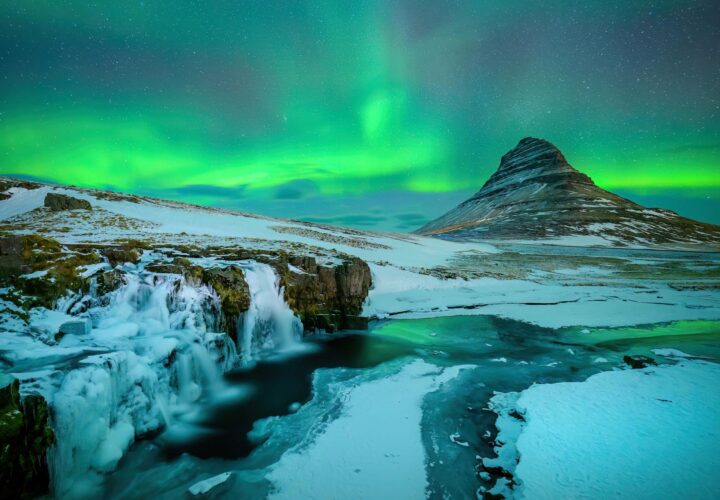
Kirkjufell Iceland in Winter 2026: A Road Trip Guide
Kirkjufell Iceland is one of the most recognizable landscapes in West Iceland, and winter gives this famous mountain a quieter, snow-covered setting…
Read the guide
Jokulsarlon Review 2026: Winter Travel Guide, Northern Lights & Road Trip Tips
Jokulsarlon Review is especially useful for travelers planning an Iceland trip between late autumn and early spring, when the famous glacier lagoon…
Read the guide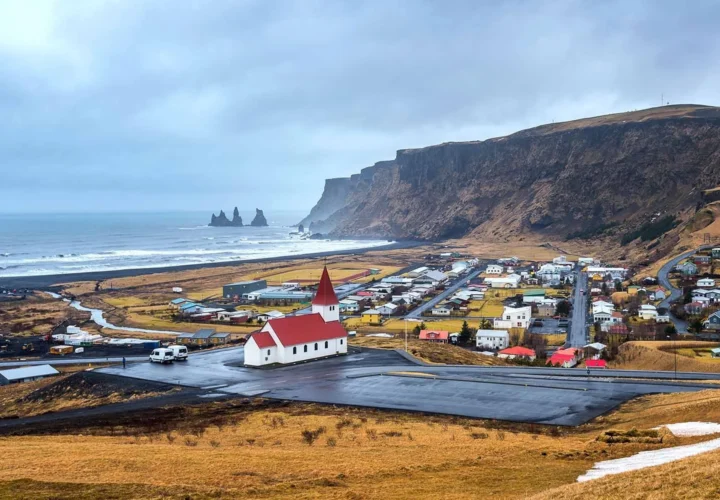
Vik Iceland in Winter 2026: A Christmas Road Trip Guide
Vik Iceland becomes especially appealing at the end of the year, when black-sand beaches, snowy mountains, short winter days, and the possibility…
Read the guide