
Vik Iceland in Winter 2026: A Christmas Road Trip Guide
Vik Iceland becomes especially appealing at the end of the year, when black-sand beaches, snowy mountains, short winter days, and the possibility of seeing the Northern Lights create a very different experience from summer travel. For travelers planning…
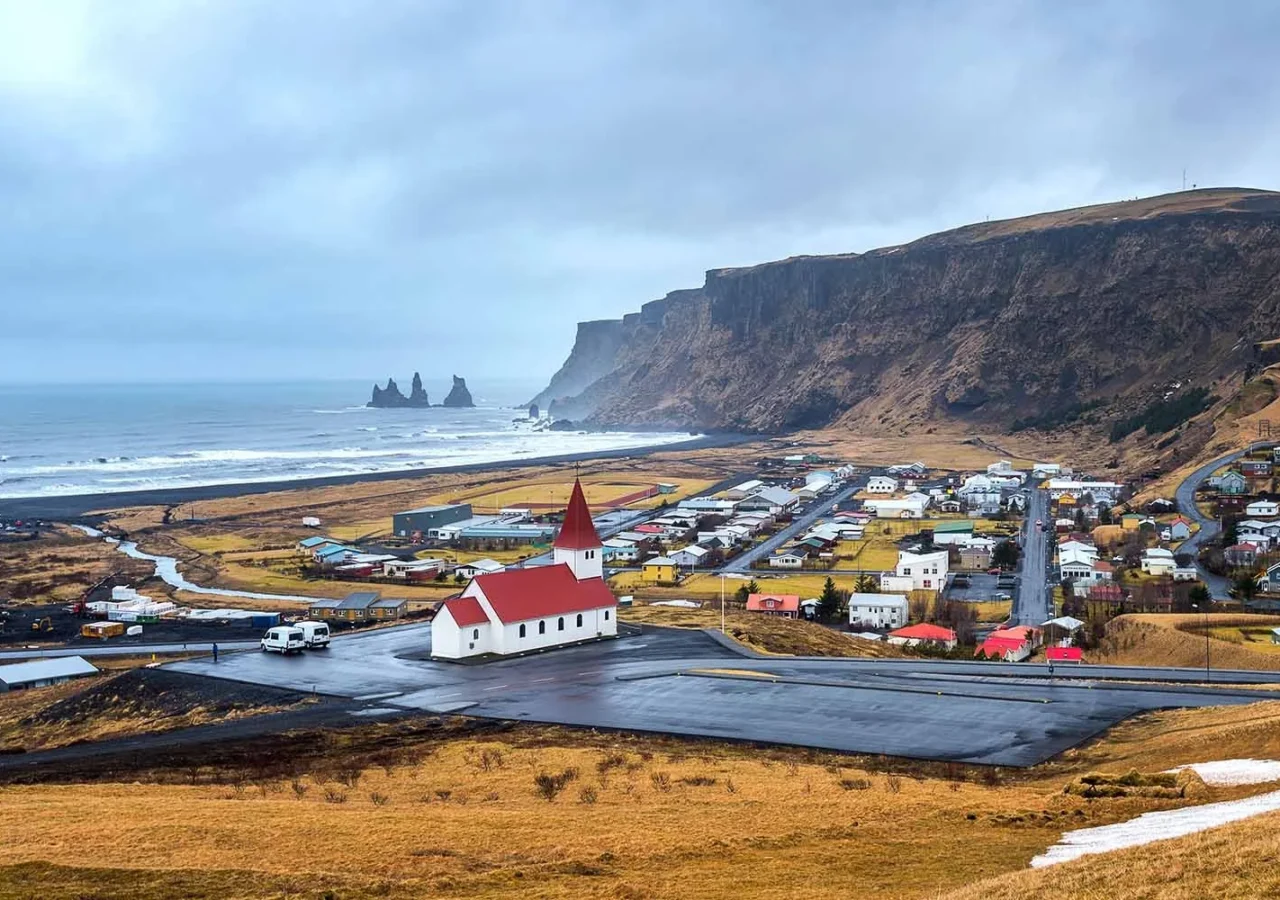
Vik Iceland becomes especially appealing at the end of the year, when black-sand beaches, snowy mountains, short winter days, and the possibility of seeing the Northern Lights create a very different experience from summer travel. For travelers planning a Christmas or December road trip, this small South Coast village can be a practical base for exploring some of southern Iceland’s most recognizable landscapes.
Quick Verdict

If you want dramatic scenery without committing to a full Ring Road journey, Vik Iceland is one of the most convenient places to include in a winter itinerary. The village sits on Iceland’s southern coast, close to Reynisfjara Beach, Dyrhólaey, Mýrdalsjökull glacier, and several major waterfalls. It is also roughly 186 kilometers from Reykjavík, making it realistic for a short South Coast road trip.
The main consideration is winter driving. Weather can change rapidly, daylight is limited, and road conditions can become difficult. That makes the vehicle you choose an important part of the trip rather than simply a way to get from one attraction to another.
Why Visit Vik Iceland at Christmas?

Christmas in Iceland is less about traditional festive attractions and more about atmosphere. Around December, the South Coast can feel quiet, snowy, and dramatic, while Reykjavík provides more conventional Christmas events, shopping, and restaurants.
Vik Iceland works particularly well for travelers who want to combine both experiences. You can spend time in Reykjavík before driving south, then use Vík as an overnight stop while exploring the coast.
The surrounding landscape is the real attraction. You can see black volcanic sand, offshore sea stacks, glaciers, waterfalls, and rugged cliffs within a relatively compact area.
Winter also brings long periods of darkness, which creates opportunities for Northern Lights hunting. Visit Reykjavík notes that October through March generally provides favorable conditions for aurora viewing, although sightings can never be guaranteed.
For a Christmas trip, therefore, think less about checking off a long attraction list and more about building a flexible route around weather, daylight, and clear skies.
When Is the Best Time to Go?

December is the obvious choice for a Christmas-themed trip, but it is not necessarily the easiest month for driving.
January and February provide similarly wintry scenery and good darkness for aurora opportunities. November can offer a useful compromise if you want winter conditions without traveling specifically for Christmas.
| Month | Daylight | Christmas atmosphere | Aurora opportunity | Driving considerations |
| November | Limited | Moderate | Good | Winter conditions possible |
| December | Very limited | Excellent | Good | Short daylight, storms possible |
| January | Very limited | Moderate | Good | Snow and ice require caution |
| February | Increasing | Low | Good | More daylight than December |
| March | Increasing | Low | Good | Better daylight, winter still possible |
The important point is that no winter month guarantees easy driving. SafeTravel recommends checking weather and road conditions and adjusting driving to the conditions rather than relying on a fixed itinerary.
That flexibility is particularly important around Vik Iceland, where coastal weather can change quickly.
What to See Around Vik Iceland
One of the biggest advantages of Vik Iceland is how many major South Coast sights can be incorporated into the same journey.
Reynisfjara Black Sand Beach
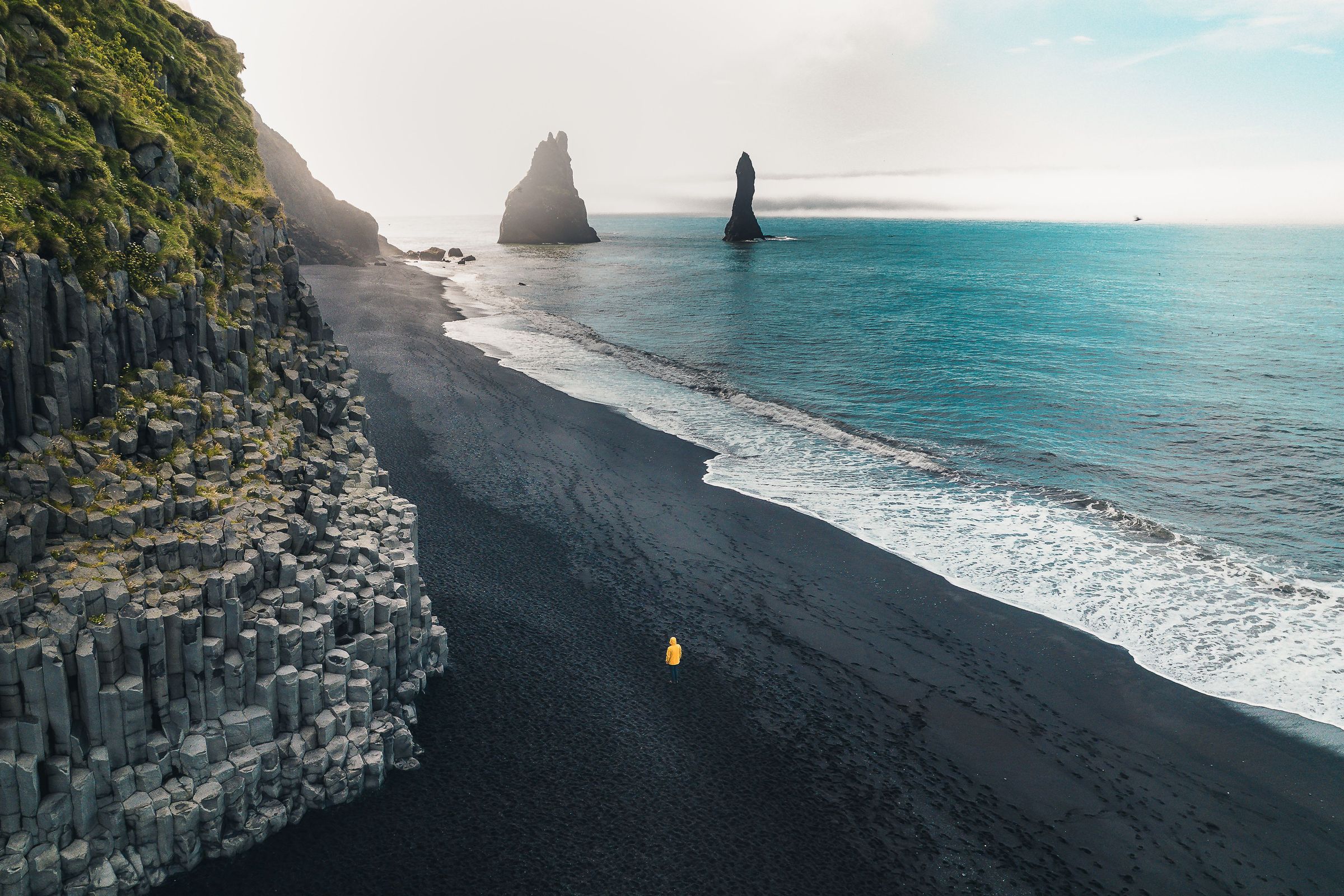
Reynisfjara is perhaps the most famous attraction near the village. Its combination of black volcanic sand, basalt formations, cliffs, and Reynisdrangar sea stacks makes it instantly recognizable.
However, it is not an ordinary beach. SafeTravel specifically warns visitors about powerful sneaker waves and rapidly changing conditions. Visitors should remain well away from the water, never turn their backs on the sea, and respect closures or warning systems.
In winter, those precautions matter even more because cold temperatures, wind, and slippery surfaces can make the environment harder to navigate.
Dyrhólaey
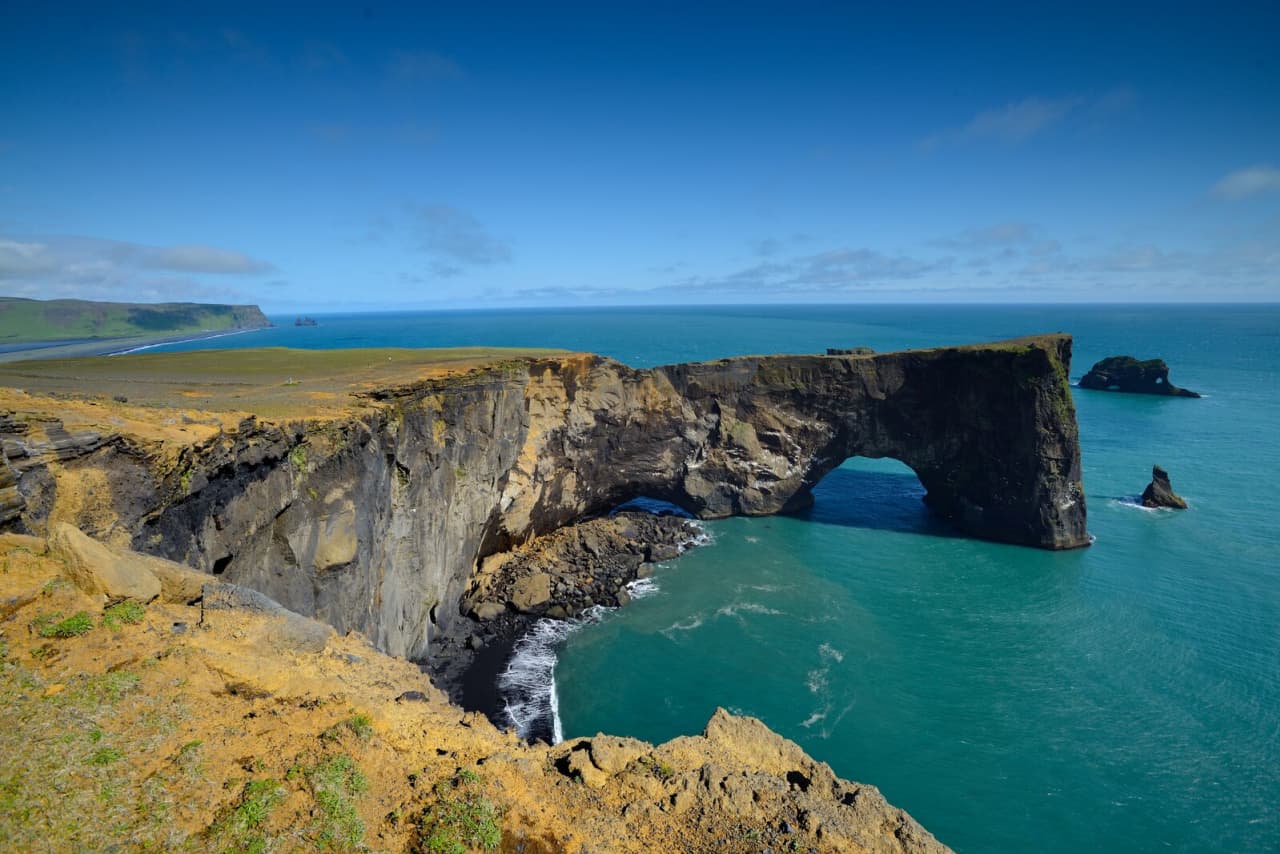
Dyrhólaey offers a different perspective over the coastline. The elevated peninsula provides sweeping views of the Atlantic and surrounding volcanic landscape.
It is worth allowing extra time here rather than treating it as a quick photo stop. Winter weather may limit visibility, but on a clear day the combination of sea, cliffs, snow, and black sand can be spectacular.
Skógafoss and Seljalandsfoss

Both waterfalls are natural additions to a South Coast itinerary. Skógafoss is particularly impressive in winter, while Seljalandsfoss provides another distinctive landscape along the route.
The advantage of using Vík as part of a road trip is that these sights can be incorporated before or after your overnight stay rather than requiring separate excursions from Reykjavík.
Northern Lights Near Vik Iceland


For many travelers, the possibility of seeing the aurora is the biggest reason to visit Iceland during the darker months.
Vik Iceland has an advantage over Reykjavík because the surrounding area is less urbanized. However, this does not mean the Northern Lights will appear on demand. Aurora visibility depends on solar activity, cloud cover, darkness, and local conditions.
A campervan can make the experience more flexible because you are not necessarily tied to one hotel location. You can monitor forecasts and, where road conditions permit, reposition to a better viewing area.
Still, chasing the aurora should never mean taking unnecessary risks. If roads are icy, visibility is poor, or authorities advise against travel, staying put is the sensible choice.
Is Winter Driving to Vik Iceland Difficult?

Winter road trips in Iceland require more preparation than summer drives.
SafeTravel advises drivers to monitor both weather and road conditions and to avoid challenging icy conditions whenever possible.
The main challenges include:
- Strong winds
- Snow and ice
- Reduced daylight
- Sudden weather changes
- Slippery surfaces
- Temporary road closures
- Reduced visibility
For Vik Iceland, the key is to avoid treating Google Maps’ estimated driving time as a guaranteed schedule. A route that takes a few hours in summer may require significantly more flexibility in winter.
Build buffer time into every driving day and be prepared to change plans.
Hotel or Campervan?

For a conventional vacation, staying in a hotel in Vík can be straightforward. You arrive, check in, eat, sleep, and continue the next morning.
A campervan offers a different travel pattern.
| Hotel-based trip | Campervan trip |
| Fixed accommodation | More flexible overnight planning |
| Less responsibility for vehicle conditions | Greater responsibility for winter driving |
| Easier if you dislike driving | Useful for self-drive itineraries |
| Comfortable indoor accommodation | Accommodation and transport combined |
| Less flexibility after booking | Easier to adapt route |
For a winter road trip, the campervan option becomes more attractive when you want to combine several South Coast stops rather than simply spend one night in town.
Go Campers specifically notes that winter camper travel requires adapting to short daylight, road closures, unpredictable weather, and restrictions on where you can sleep. The company recommends features such as insulation, heating, winter tires, and auxiliary power for winter travel.
Why Go Campers Fits a Winter Trip

This is where the practical side of a Vik Iceland itinerary becomes important.
Go Campers offers campervans designed for Icelandic road trips, with winter-specific equipment. According to the company, its winter fleet is fitted with studded winter tires, and its vehicles include heating options designed to keep travelers comfortable overnight.
The company also states that its rentals include unlimited mileage, which can be useful when your itinerary changes because of weather or road conditions.
For travelers heading toward Vik Iceland in winter, the relevant question is therefore not simply “Which camper looks nicest?” Instead, consider:
- Does the vehicle have appropriate winter tires?
- Is there reliable heating?
- Is the sleeping arrangement suitable for cold weather?
- Do you need 4×4 capability?
- How much luggage will you carry?
- Can the vehicle handle the roads you actually intend to use?
Go Campers also has an established review presence on Trustpilot. At the time of checking, GO Campers has a 3.9/5 TrustScore from 89 reviews, with 75% of reviews rated 5 stars and 5% rated 4 stars. Trustpilot classifies the profile as “Great.” However, the rating should be viewed alongside the full review distribution: 3% are 3-star reviews, 2% are 2-star, and 15% are 1-star. Trustpilot also notes that Go Campers has not recently invited customers to leave reviews, so the review profile may not be fully representative of current customers.

Go Campers says only its 4WD/4×4 campers are permitted on F-roads, while non-4WD vehicles cannot legally be used there.
For a standard winter South Coast itinerary, however, you should not assume that an F-road-capable vehicle is automatically necessary. Your route and current road conditions should determine the vehicle choice.
How Many Days Do You Need?

A short South Coast itinerary can work surprisingly well.
For a focused trip, two nights around Vik Iceland can give you enough time to see the major coastal attractions without rushing every stop.
A possible structure looks like this:
| Day | Suggested plan |
| Day 1 | Reykjavík → Seljalandsfoss → Skógafoss → Vík |
| Day 2 | Reynisfjara → Dyrhólaey → Vík area → Northern Lights opportunity |
| Day 3 | Vík → additional South Coast stops → Reykjavík |
If winter weather disrupts the first day, having an extra day provides useful flexibility.
For a Christmas trip, consider staying longer if your schedule allows. Extra time gives you more opportunities to experience clear weather rather than forcing every activity into a fixed timetable.
What Should You Pack?


Winter travel around Vik Iceland requires practical clothing rather than simply festive outfits.
Pack waterproof outer layers, insulated footwear, gloves, a warm hat, and multiple layers. Waterproof trousers can be particularly useful around waterfalls and exposed coastal areas.
For campervan travel, also consider:
- Warm sleeping layers
- Headlamp
- Reusable water bottle
- Power bank
- Small daypack
- Traction-friendly footwear
- Snacks and basic food
- Offline maps
- Emergency supplies
You should also check your vehicle’s heating system, sleeping equipment, and included accessories before departure. Go Campers notes that sleeping equipment varies by vehicle and that additional bedding can be rented when necessary.
Is Vik Iceland Safe in Winter?

Vik Iceland is accessible and popular, but winter safety depends heavily on current conditions.
The most important rule is to separate attraction safety from driving safety. A road may be open while a beach is temporarily unsafe, or conditions may change after you arrive.
Reynisfjara is the clearest example. SafeTravel warns that sneaker waves can reach unexpectedly far up the beach, and visitors should obey warning lights and closures.
For driving, check road and weather information before departure and again during the day. Do not assume that yesterday’s conditions will still apply.
This is also why a flexible campervan itinerary can be useful: you can change the order of stops instead of forcing yourself to follow a rigid schedule.
See Winter Rental Availability →
What Makes the Destination Different at Christmas?

The appeal of Vik Iceland during Christmas is its contrast.
Instead of spending the entire holiday surrounded by city crowds, you can combine Reykjavík’s festive atmosphere with a quieter coastal landscape. Snow-covered mountains, dark volcanic sand, winter light, and long evenings create an experience that feels distinctly Icelandic.
The village itself is also useful as a practical stopping point rather than simply an attraction. South Iceland tourism describes Vík as Iceland’s southernmost village, positioned within Katla Geopark and surrounded by opportunities for outdoor activities.
That combination makes it suitable for travelers who want scenery but do not want to organize an extremely ambitious Iceland-wide road trip.
Go Campers: What to Check Before Booking
Before booking any camper for a winter trip, compare the actual vehicle specifications with your itinerary.
Go Campers’ winter information highlights several useful considerations, including winter tires, heating, insulation, battery capacity, and the distinction between 2WD and 4×4 vehicles.
The company also states that tent campers are not rented during winter and recommends standard campervans with heating for cold-weather travel.
Rather than choosing purely based on price, consider the total trip requirements:
| Priority | What to look for |
| Cold nights | Reliable heating and insulation |
| Icy roads | Proper winter tires |
| Longer route | Unlimited mileage |
| Highland travel | Appropriate 4×4 vehicle |
| Couples | Compact camper may be sufficient |
| Family/group | More sleeping and storage space |
The right choice depends on your route, group size, comfort expectations, and current road conditions.
FAQ
Is Vik Iceland worth visiting in December?
Yes, if you are prepared for short daylight and winter driving. December offers a strong Christmas atmosphere and dark skies for possible Northern Lights viewing, while the surrounding South Coast provides dramatic winter scenery.
Can you see the Northern Lights near Vik?
Yes, the area can offer suitable conditions for aurora viewing, but visibility depends on cloud cover, darkness, and solar activity. No location can guarantee a sighting.
Is Reynisfjara safe in winter?
It requires serious caution. SafeTravel warns about sneaker waves and changing beach conditions. Always follow current warnings, stay far from the water, and obey closures.
Do you need a 4×4 camper?
Not necessarily for every South Coast itinerary. However, 4×4 capability becomes relevant if your planned route requires roads where four-wheel-drive vehicles are permitted or necessary.
Can you camp anywhere?
No. Winter campervan travel does not mean you can simply park and sleep wherever you want. Check current camping and parking rules and use permitted campsites.
Final Recommendation
For travelers searching for a compact winter destination rather than attempting the entire country, Vik Iceland provides a strong combination of scenery, accessibility, and South Coast attractions. Its proximity to Reynisfjara, Dyrhólaey, waterfalls, glaciers, and potential Northern Lights viewing makes it particularly interesting between November and March.
The biggest variable is not the destination itself but the weather. A successful winter road trip requires flexibility, appropriate equipment, and a willingness to change plans when conditions deteriorate.
That is where a properly equipped campervan can make sense. Go Campers’ winter setup, including studded winter tires and heating options, is designed around the practical challenges of Icelandic winter travel.
If your goal is a Christmas trip combining Reykjavík with the South Coast, a campervan can also reduce the need to repeatedly return to the capital between destinations. You can build the route around the weather and spend more time exploring when conditions are favorable.
Ultimately, Vik Iceland is best approached as part of a flexible South Coast journey rather than a destination where every hour needs to be scheduled. Check the road forecast, respect coastal safety warnings, allow extra driving time, and choose a camper that matches the season.
Check out best destination by camper car in Iceland ➔
7 Secrets for Flawless Santorini Greece Luxury Travel Planning ➔

Continue exploring
Related field notes
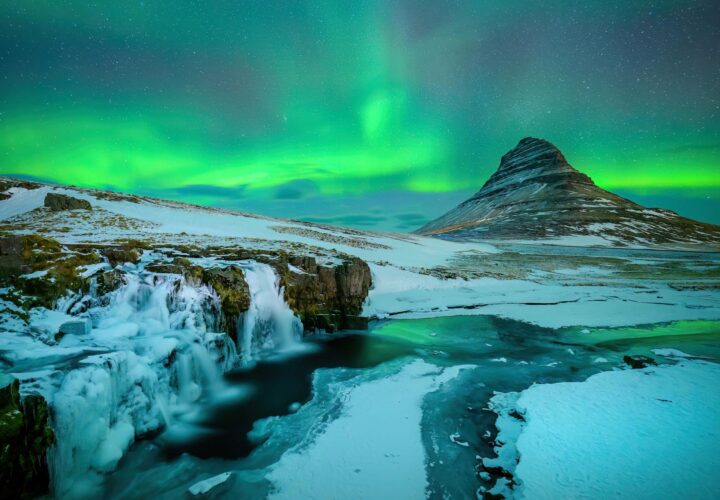
Kirkjufell Iceland in Winter 2026: A Road Trip Guide
Kirkjufell Iceland is one of the most recognizable landscapes in West Iceland, and winter gives this famous mountain a quieter, snow-covered setting…
Read the guide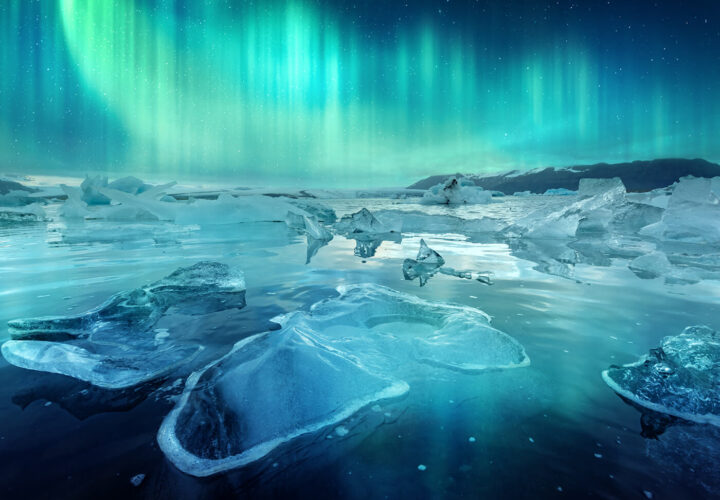
Jokulsarlon Review 2026: Winter Travel Guide, Northern Lights & Road Trip Tips
Jokulsarlon Review is especially useful for travelers planning an Iceland trip between late autumn and early spring, when the famous glacier lagoon…
Read the guide
Costa Rica Retreats 2026: Where to Go, When to Visit & What to Expect
Costa Rica Retreats are becoming an appealing way to end the year, especially for travelers who want warm weather, nature, slower days,…
Read the guide