
Iceland Campervan 2027: How to Plan a Low-Impact Campervan Holiday with Go Campers
An Iceland Campervan holiday with Go Campers can combine the freedom of a road trip with practical ways to reduce waste, respect fragile landscapes, and choose responsible overnight stops. The key is to plan your route around authorised…
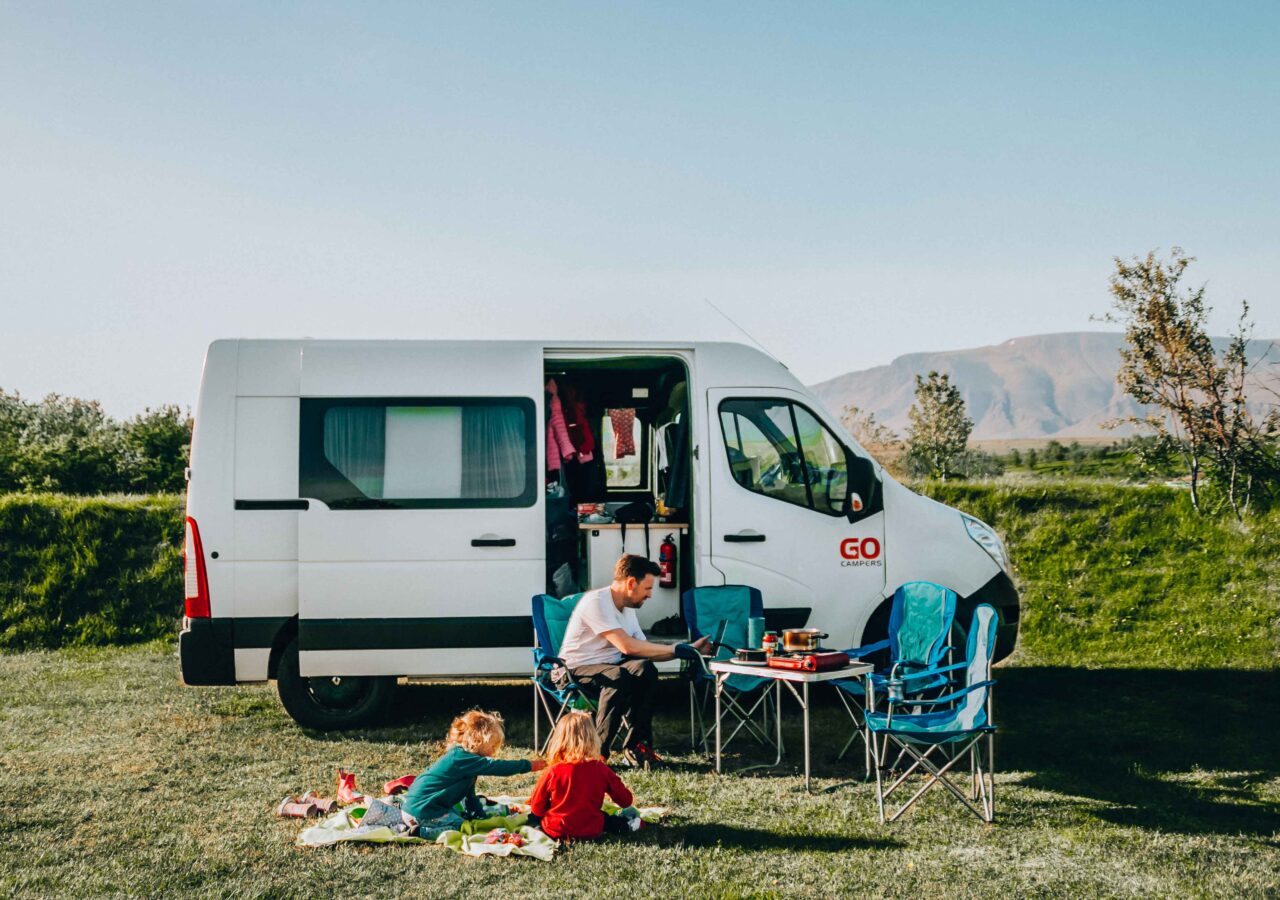
An Iceland Campervan holiday with Go Campers can combine the freedom of a road trip with practical ways to reduce waste, respect fragile landscapes, and choose responsible overnight stops. The key is to plan your route around authorised campsites, manage water and rubbish carefully, and select a vehicle that suits your journey rather than simply choosing the largest or most powerful option.
Iceland’s dramatic waterfalls, volcanic plains, black-sand beaches, and moss-covered lava fields are major reasons to explore by road. However, the country’s landscapes can be vulnerable to damage, especially when visitors leave designated roads, discard rubbish, or park overnight in unauthorised places. A responsible itinerary therefore starts with legal camping arrangements and realistic driving distances.
This guide reviews the planning process, the sustainability commitments of Go Campers, the practical costs to consider, and the customer feedback available when making a booking decision.
Quick Verdict — Is Go Campers a Good Choice for Sustainable Travel?

For travellers considering an Iceland Campervan adventure, Go Campers is worth evaluating because the company publishes a dedicated GoGreen sustainability programme. Its stated initiatives include fuel-efficiency considerations, vehicle maintenance, an electric airport shuttle, optional carbon-offset contributions, and a food-sharing centre. These are useful starting points, although they do not mean every rental is emissions-free.
Go Campers may suit independent travellers who want flexible transport while staying at registered campsites and following Icelandic environmental rules. Before booking, compare the vehicle’s emissions information, fuel requirements, insurance terms, included equipment, and total rental cost.
| Decision factor | What to consider |
| Sustainability | Review the specific vehicle’s fuel consumption and emissions |
| Overnight stays | Budget for authorised campsites |
| Waste | Identify disposal facilities along the route |
| Comfort | Match heating, sleeping space, and equipment to the season |
| Value | Compare the complete price, including extras and insurance |
| Reputation | Consider both positive and negative customer reviews |
Ready to compare rental options?
Explore Go Campers campervan options →
Why Choose a Low-Impact Iceland Campervan Holiday?

An Iceland Campervan trip can reduce some of the logistical complications of travelling between towns, accommodation, and attractions. You can carry reusable supplies, plan meals, and adjust your itinerary around weather conditions. However, travelling by campervan is not automatically more sustainable than every alternative; the outcome depends on vehicle efficiency, occupancy, distance driven, and how responsibly you camp.
Go Campers describes sustainability as part of its operating approach, with attention to vehicle efficiency and maintenance. The company also says customers can view vehicle CO₂ information during booking. Check those details for your selected model rather than assuming that every vehicle has the same environmental performance.
For a lower-impact trip, use these principles:
- Drive less: Build a route around nearby attractions instead of crossing the same region repeatedly.
- Travel together: Where practical, share one suitable vehicle instead of using multiple vehicles.
- Choose reusable items: Carry a refillable bottle, reusable shopping bags, and washable food containers.
- Stay on established routes: Avoid driving onto moss, vegetation, dunes, or unmarked ground.
- Use official facilities: Dispose of rubbish, wastewater, and toilet waste at appropriate locations.
- Respect local communities: Keep noise low and follow campsite rules.
A well-planned Iceland Campervan itinerary makes responsible decisions part of the trip from the beginning, rather than treating them as last-minute tasks.
Top Picks — Campsites for a Responsible Road Trip

The best campsite depends on your route, season, facilities, and preferred activities. Instead of selecting an overnight stop solely because it looks secluded, use established camping areas and confirm current operating arrangements before arrival.
| Route area | Why consider it | Planning priority |
| Reykjavík and nearby areas | Convenient for starting or finishing a trip | Confirm opening dates and access |
| South Coast | Useful for exploring waterfalls and coastal attractions | Reserve or check capacity during busy periods |
| Vík region | A practical base for southern landscapes | Check showers, toilets, and waste facilities |
| Skaftafell area | Convenient for hiking and glacier-region excursions | Follow protected-area rules |
| Lake Mývatn region | Useful for volcanic landscapes and northern attractions | Follow local conservation guidance |
| Snæfellsnes Peninsula | Offers coastal scenery and varied day trips | Plan driving distances between stops |
These are route-planning areas, not a guarantee that every site is open, available, or equipped for every vehicle. Confirm campsite facilities, fees, opening dates, and vehicle restrictions directly before setting off.
When planning an Iceland Campervan journey, prioritise sites that offer the facilities you genuinely need. A convenient authorised campsite with suitable waste disposal can be a better choice than a remote location that creates extra driving or environmental pressure.
Planning your route now?
Compare Go Campers rental options →
How to Choose Campsites Along Iceland’s Ring Road

A responsible Iceland Campervan holiday requires more than finding a convenient place to park. Check the campsite’s location, opening dates, facilities, and current rules before committing to an overnight stop.
The Icelandic Environment Agency explains that sleeping overnight in a campervan outside organised campsites or urban areas generally requires permission from the landowner or rights holder. Do not assume that a quiet lay-by, beach, or scenic viewpoint is a legal camping location.
Use this checklist when selecting sites:
- Confirm that campervans are permitted and that the campsite is open.
- Check whether toilets, showers, electricity, and waste disposal are available.
- Consider the distance to the next campsite and fuel station.
- Follow designated parking areas and posted instructions.
- Avoid driving onto fragile vegetation or creating new tracks.
Go Campers travellers should plan overnight stops before arriving in popular regions, particularly during summer. Keeping a flexible backup option can also help when weather or road conditions change.
Waste Management — Rubbish, Greywater, and Toilet Waste

Waste management is one of the most important parts of a low-impact Iceland Campervan trip. Even small amounts of litter can harm wildlife, spoil landscapes, and create extra work for campsite operators.
Separate recyclable materials wherever facilities allow, and carry rubbish securely until you reach a suitable disposal point. Do not leave food scraps in the countryside, even if they appear biodegradable.
Greywater from sinks and showers should be emptied only at designated facilities. If your vehicle has a portable toilet, follow its instructions and use authorised chemical-toilet disposal points. Never empty wastewater into roadside drains, streams, lakes, or geothermal areas.
Go Campers also describes office recycling and a food-sharing initiative intended to help travellers pass on suitable leftover food rather than throw it away. Visitors can support the same principle by buying realistic quantities of groceries, storing food correctly, and sharing unopened items through appropriate channels.
| Waste type | Responsible action |
| Packaging and cans | Sort using the available recycling facilities |
| Food scraps | Use designated organic-waste facilities where available |
| Greywater | Empty only at authorised disposal points |
| Toilet waste | Use approved chemical-toilet disposal facilities |
| Batteries and hazardous items | Take them to an appropriate collection point |
| Reusable supplies | Clean, store, and reuse them throughout the trip |
Before leaving a campsite, check your pitch for rubbish and ensure all waste is secured. A clean departure is a simple way to protect the places you have come to enjoy.
Overnight Stops — Where Can You Legally Sleep?

A common misconception is that renting a campervan gives travellers the right to sleep anywhere. Iceland’s rules distinguish between traditional tent camping and overnight stays in vehicles, so the safest plan is to use an organised campsite unless you have the required permission.
For an Iceland Campervan itinerary, identify a suitable overnight stop for every planned driving day. This is particularly important when visiting remote areas where services are limited or seasonal.
Go Campers offers vehicles with different sleeping capacities and equipment, but the sleeping facilities inside a vehicle do not override local camping restrictions. A campervan with a heater or a comfortable bed still needs an appropriate overnight location.
Avoid relying on supermarket car parks, roadside pull-offs, or tourist attraction parking areas unless overnight stays are explicitly allowed. Respect restrictions in protected areas, and never block access roads, farm entrances, or emergency routes.
Ready to organise your overnight route?
View available vehicles from Go Campers →
Go Campers Review — Vehicle Options and Sustainability

Go Campers lists compact vehicles, medium campers, larger vans, and selected four-wheel-drive models. The right choice depends on passenger numbers, luggage, the season, and the roads on your itinerary. Its website also publishes vehicle details such as transmission, sleeping capacity, and whether a model has a night heater.
A compact Iceland Campervan can be practical for two travellers carrying limited luggage. Smaller vehicles may be easier to park and can use less fuel than larger alternatives, depending on the specific model and driving conditions.
For families or groups, a larger vehicle may reduce the need for separate transport. However, greater size can increase fuel consumption, so compare actual vehicle specifications instead of assuming that one category is always greener.
Go Campers says its sustainability programme includes in-house vehicle maintenance, attention to CO₂ emissions, an electric airport shuttle, and an option to support carbon-offset initiatives through Icelandic reforestation partner Kolviður. The company’s stated ambition is to transition most of its campervan fleet to electric vehicles by 2030; this is a future goal, not a claim that the current fleet is fully electric.
Compare the details before deciding:
Check Go Campers vehicles and availability →
Is Go Campers Legit? Trustpilot Ratings and Customer Feedback

A useful review of Go Campers should combine the company’s published information with independent customer feedback. Trustpilot provides one source for evaluating customer experiences, although ratings can change and individual reviews do not guarantee the outcome of a future rental.
The available Trustpilot listing shows a 3.9 out of 5 rating from 89 reviews. Reviewers have praised helpful staff, straightforward returns, and vehicles that performed well during their trips. Critical reviews also describe concerns involving vehicle defects, equipment problems, and the handling of customer issues.
| Review platform | Reported rating | Review volume | Interpretation |
| Trustpilot | 3.9/5 | 89 reviews | Mixed-to-positive feedback; read recent critical reviews |
| Google reviews via Travel to Iceland | 4.7/5 | 2,457 reviews | Stronger reported score, but check the review source and date |
The Google rating above was reported by Travel to Iceland as verified on 7 October 2026. It is a third-party listing, so check the live Google profile directly before relying on it.
These ratings suggest that Go Campers has a substantial customer-review footprint, but they are not proof that every rental will be trouble-free. The Trustpilot score is respectable rather than exceptional, making the negative reviews worth examining alongside positive experiences.
Before collecting your vehicle, photograph existing damage, test essential equipment, confirm the fuel policy, and obtain written clarification about insurance excesses. Ask how roadside assistance works and what to do if a heater, tap, tyre, or other essential component fails during your trip.
Prices and Budget — What Does a Campervan Holiday Cost?

The cost of an Iceland Campervan trip depends on travel dates, vehicle size, rental duration, fuel, campsite fees, groceries, insurance, and optional equipment. Summer demand can affect availability, so compare dates before settling on a budget.
Go Campers publishes starting prices for different vehicle categories, but displayed rates can change and are not guaranteed quotes for your dates. Its website lists compact models at lower starting rates than many larger or four-wheel-drive vehicles.
| Budget category | What to include |
| Vehicle rental | Base rate multiplied by rental days |
| Insurance | Excess liability and optional protection |
| Fuel | Estimated kilometres and vehicle consumption |
| Campsites | Nightly fees and additional facilities |
| Food | Groceries, drinking water, and occasional meals out |
| Activities | Tours, attractions, and parking charges where applicable |
| Contingency | Weather-related changes and unexpected expenses |
An Iceland Campervan budget should include the full cost of insurance rather than comparing only the advertised daily rate. Go Campers publishes several insurance options, and the excess and protection included vary by package. Review the current terms and exclusions before choosing.
To keep spending under control, prepare meals in the vehicle where practical, group nearby attractions into the same day, and avoid driving long distances simply to reach a cheaper campsite. However, do not sacrifice legal overnight arrangements or safety to reduce costs.
Compare the total price for your travel dates:
Check rental prices and availability →
How to Choose the Right Campervan

Start by deciding where you want to travel, when you will visit, and how many people need to sleep in the vehicle. Then compare the available models against those requirements.
For an Iceland Campervan trip around the main Ring Road, a standard vehicle may be sufficient if your route stays on roads it is permitted to use. If your plans involve mountain roads, check road classifications, seasonal access, and the vehicle’s authorisation before booking.
Do not assume that every four-wheel-drive vehicle is suitable for every mountain road. Some routes have specific restrictions, and off-road driving is prohibited. Always follow official road information and local signage.
Go Campers states that certain premium models have higher minimum-age requirements than its standard vehicles. Its FAQ also outlines possible additional fees, fuel-return conditions, cancellation rules, and insurance arrangements. Confirm the conditions that apply to your selected model and booking.
Use these questions to narrow your options:
- How many travellers and bags need to fit comfortably?
- Do you need an automatic transmission?
- Will you travel during cold weather and require a night heater?
- Are all planned roads suitable for the vehicle?
- What is your total budget after insurance and campsite fees?
- Can you manage the vehicle’s size and fuel requirements confidently?
Pros & Cons of Go Campers

| Pros | Cons |
| Multiple vehicle sizes and configurations | Larger vehicles can cost more to rent and fuel |
| Published sustainability initiatives | Sustainability claims do not mean every rental is emission-free |
| Vehicle specifications available online | Equipment and features vary between models |
| Established presence on independent review platforms | Customer reviews include reports of vehicle and service issues |
| Flexible road-trip planning | Travellers must arrange legal overnight stops themselves |
The strongest reason to consider Go Campers is the combination of vehicle choice and a published sustainability programme. The main reason to compare alternatives carefully is that customer experience, comfort, and total cost can vary by vehicle and rental period.
For travellers who value environmental responsibility, the final decision should depend on the specific vehicle, transparent rental terms, and a route designed to avoid unnecessary driving.
FAQ — Iceland Campervan Camping Rules and Responsible Travel
Can I sleep anywhere in Iceland in a campervan?
No. Overnight stays in campervans generally require an organised campsite or permission from the landowner or rights holder. Check current rules before choosing a stop.
Does Go Campers offer eco-friendly vehicles?
Go Campers says it considers fuel efficiency and CO₂ emissions and publishes sustainability initiatives. Review the details of the particular vehicle you intend to rent rather than assuming the whole fleet is electric.
How can I reduce waste during the trip?
Carry reusable containers, plan grocery quantities, separate recyclable materials where facilities allow, and use authorised disposal points for rubbish, wastewater, and toilet waste.
Is a four-wheel-drive campervan always necessary?
No. A standard vehicle may suit many established routes. Choose four-wheel drive only when it matches your planned roads and conditions, and check restrictions before driving on mountain roads.
Is Go Campers worth considering?
It may be worth considering if its vehicle range, sustainability approach, and rental conditions fit your needs. Compare independent feedback, insurance terms, and the complete price before making a decision.
Final Recommendation — Plan a More Responsible Iceland Campervan Holiday
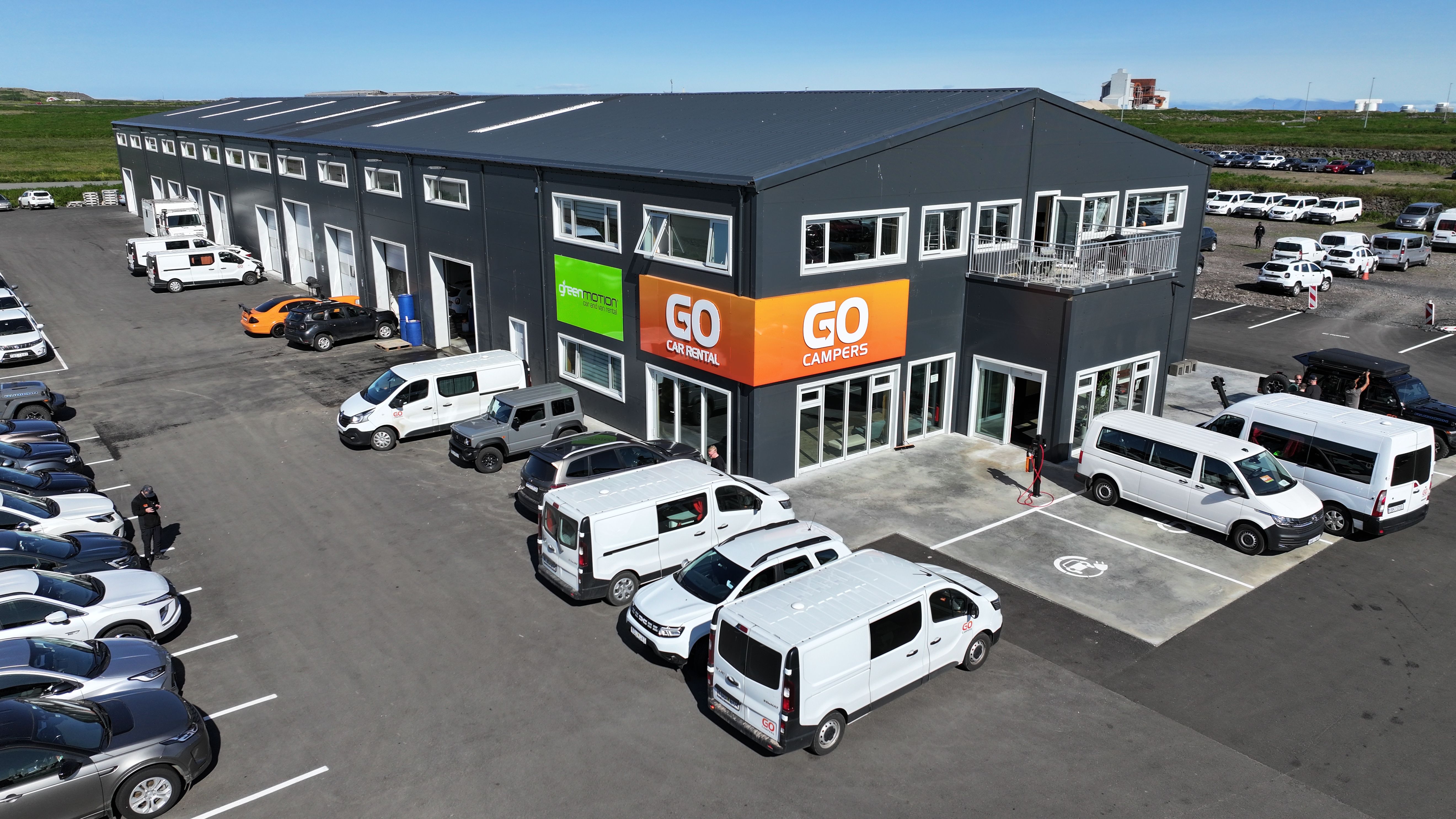
An Iceland Campervan road trip can offer flexibility without requiring travellers to compromise on environmental responsibility. The most effective approach is to plan realistic driving distances, stay at authorised campsites, dispose of waste correctly, and select a vehicle that fits the itinerary.
Go Campers is worth shortlisting because it publishes vehicle specifications and a dedicated sustainability programme. Its Trustpilot rating of 3.9/5, alongside a higher Google rating reported by a third-party listing, provides useful context but should not replace checking recent reviews and rental conditions.
Before booking, compare your travel dates, confirm the required equipment, inspect the vehicle at collection, and understand the insurance excess and cancellation policy. Then build a route that leaves enough time to enjoy Iceland without unnecessary mileage or pressure to find a last-minute overnight stop.
Start Planning Your Trip
If the available vehicles and rental terms match your plans, take the next step by checking dates, comparing models, and reviewing the final booking conditions.
Book Your Iceland Campervan Adventure with Go Campers →
7 Secrets for Flawless Santorini Greece Luxury Travel Planning ➔

Continue exploring
Related field notes
Tasmania Car Hire: How to Plan a Tasmania Road Trip on a Budget
Tasmania Car Hire is one of the most important decisions to get right when planning an affordable Australian road trip, and DriveNow…
Read the guide
Ice Cave Tours: How to Choose the Best Iceland Adventure
Ice Cave Tours are one of Iceland’s most memorable winter experiences, and Guide to Iceland makes it easier to compare guided glacier…
Read the guide
Mediterranean Sailing: How to Plan a Bareboat Sailing Holiday in the Mediterranean — A Step-by-Step Guide for First-Time Charterers
Mediterranean Sailing offers first-time charterers an unforgettable way to explore secluded bays, historic coastal towns and beautiful islands at their own pace,…
Read the guide