
Kyoto Cultural Retreat 2027: Japanese Cultural Traditions Every Traveler Should Experience in Kyoto
Kyoto Cultural Retreat 2027 is a compelling way to experience Japan beyond the usual sightseeing checklist, especially if your ideal trip combines traditional food, tea, temples, gardens, crafts, mindful practices, and slower days in historic neighborhoods. Kyoto is…
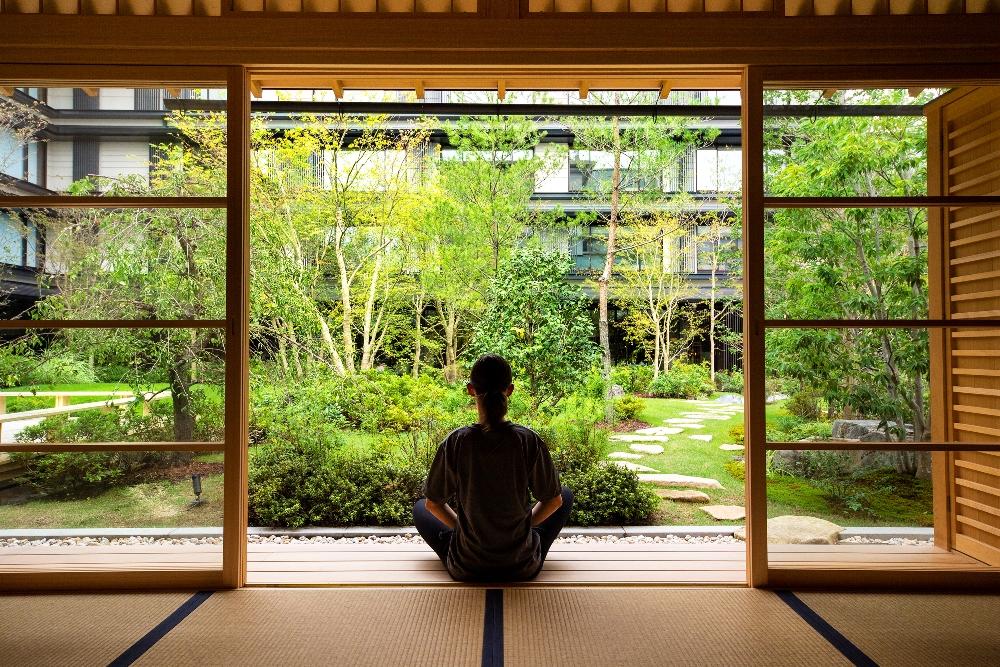
Kyoto Cultural Retreat 2027 is a compelling way to experience Japan beyond the usual sightseeing checklist, especially if your ideal trip combines traditional food, tea, temples, gardens, crafts, mindful practices, and slower days in historic neighborhoods.
Kyoto is unusually well suited to this style of travel because its cultural identity is not confined to museums. Tea ceremony, traditional architecture, cuisine, crafts, flower arrangement, Zen-influenced aesthetics, and seasonal customs remain part of the city’s living culture. Kyoto Travel specifically highlights tea ceremony and other traditional practices as important parts of the city’s cultural heritage.
Quick Verdict

A Kyoto Cultural Retreat 2027 makes sense for travelers who want more than a fast temple-hopping itinerary. Instead of treating food, wellness, scenery, and Japanese traditions as separate activities, a retreat can provide a framework for experiencing them together.
BookRetreats is particularly relevant because its current Kyoto listings include experiences built around traditional accommodation, yoga, slow living, tea rituals, and local-style meals. One current Kyoto listing, for example, offers accommodation in a 100-year-old machiya, daily yoga, a light home-style breakfast, and a tea ritual.
Best for: travelers interested in culture, wellness, slow travel, food, and authentic neighborhood experiences.
Watch out for: retreat inclusions, exact location, cancellation terms, accommodation details, and whether cultural activities are included or optional.
Explore Kyoto Retreat Options →
What Makes a Kyoto Cultural Retreat 2027 Different?

A conventional Kyoto vacation can easily become a packed sequence of Fushimi Inari, Kiyomizu-dera, Arashiyama, Nishiki Market, and evening restaurant reservations.
A Kyoto Cultural Retreat 2027 takes a different approach. The objective is not simply to collect attractions but to create time for understanding the customs surrounding them.
That distinction matters in Kyoto. A tea ceremony is not merely “drinking matcha.” Traditional cuisine is not simply another restaurant meal. Staying in a machiya is different from checking into a standardized hotel, while visiting a quiet temple garden can be as much about atmosphere and etiquette as photography.
For travelers seeking a Kyoto Cultural Retreat 2027, this slower structure can make cultural experiences easier to appreciate.
| Travel style | Typical focus | Pace |
| Classic city break | Major attractions | Fast |
| Food trip | Restaurants and markets | Moderate |
| Wellness trip | Yoga, meditation, relaxation | Slow |
| Kyoto Cultural Retreat 2027 | Culture + food + wellness + traditions | Slow to moderate |
Experience a Kyoto Tea Ceremony


Few activities fit a Kyoto Cultural Retreat 2027 better than tea.
Kyoto’s tea culture is connected with principles of harmony, respect, tranquility, traditional utensils, ceramics, lacquerware, bamboo crafts, cuisine, and confectionery.
When you attend a traditional tea experience, pay attention to more than the matcha itself. Notice the room, seasonal decorations, utensils, movements, sweets, and interaction between host and guest.
You can also find places where matcha is served traditionally at temples and other cultural sites. Kyoto’s official tourism information notes that matcha can be enjoyed at locations including Shoren-in, Nanzen-ji, and Kodai-ji, although this does not necessarily mean a formal tea ceremony.
For a Kyoto Cultural Retreat 2027, a tea ritual works particularly well as a slower afternoon activity between sightseeing days.
Try this: schedule tea after visiting a garden rather than immediately before rushing to another attraction. The experience feels considerably more relaxed.
Compare Available Kyoto Retreats →
Eat Kyoto Cuisine With Cultural Context
![四条河原町温泉 空庭テラス京都 - 【京懐石のレストランで贅沢に】五感で愉しむ京懐石<夕食付き> - ユニバーサルツイン【2階のお部屋】 - 宿泊予約は[一休.com]](https://images.openai.com/static-rsc-4/T65OPw6HqmsQSkcXPiofdIkgVnXNKB8ZlBE8DDu4yFf0c7lIymIGX2XBsErdkHTQtfq2l90kauKyg91l4kdE4jv_yv9GbGzyBNfSD401D-u4EB_HO8Tg1H7GruuYXFyYEhx-ZOSIBCgdANJQT9iQG4A67J5mhk_39HL_j4EMTYP18nNOsH7dW1uOUB7anQfI?purpose=fullsize)
Food should be central to any Kyoto Cultural Retreat 2027 because Kyoto’s culinary traditions are closely connected to seasonality, presentation, local ingredients, and Buddhist-influenced food culture.
Rather than asking only “Where should I eat?”, consider asking “What type of Kyoto food experience do I want?”
Kaiseki
Kaiseki is associated with carefully prepared seasonal dishes and refined presentation. It is an experience where pacing and visual details matter almost as much as flavor.
Shojin Ryori
For travelers interested in Buddhist traditions, shojin ryori provides another culturally meaningful option. It emphasizes plant-based ingredients and mindful preparation.
Kyo-yasai
Kyoto’s traditional vegetables, commonly referred to as Kyo-yasai, are another reason to pay attention to seasonal menus.
Wagashi
Do not skip traditional Japanese sweets. Wagashi are particularly enjoyable alongside matcha because the sweetness balances the tea’s bitterness.
Obanzai
For a more casual experience, look for obanzai-style home cooking featuring everyday Kyoto ingredients.
| Food experience | Why try it | Best moment |
| Kaiseki | Seasonal dining and presentation | Special dinner |
| Shojin ryori | Buddhist culinary tradition | Lunch |
| Kyo-yasai | Local seasonal vegetables | Everyday meal |
| Wagashi + matcha | Tea culture | Afternoon |
| Obanzai | Home-style Kyoto cooking | Casual dinner |
A Kyoto Cultural Retreat 2027 should ideally leave enough free time to explore these foods rather than locking every meal into a rushed schedule.
Stay in a Traditional Machiya

Accommodation can become part of the cultural experience during a Kyoto Cultural Retreat 2027.
Machiya are traditional Kyoto townhouses, and staying in one can provide a different sense of space, materials, neighborhood life, and architecture than a conventional international hotel.
Current BookRetreats Kyoto listings demonstrate how this concept can be incorporated into retreat programming. One listed slow-living experience includes accommodation in a traditional 100-year-old Kyoto machiya, yoga, breakfast, and a complimentary tea ritual. The listing currently shows a 5.00 rating from eight reviews.
That does not mean every Kyoto Cultural Retreat 2027 includes a machiya stay, so check the individual retreat’s accommodation section carefully.
Look for:
- Exact property location
- Private or shared room
- Bathroom arrangements
- Breakfast and other meals
- Included cultural activities
- Walking distance to public transportation
- Check-in and check-out conditions
Explore Kyoto’s Temple and Garden Culture
![Private Taxi Tour to Kyoto's Kiyomizu Temple + Nanzen-ji Temple [7.5 Hour Course] - WAmazing Play](https://images.openai.com/static-rsc-4/iWfTEIrVBPlvRDwJuynpotmbTpgqGhy600vI3EyXvOiZ9-fhzbY6TWqQ5q5Gy6mpSD3IBPHGebad7VY_u57Fca5zKXeHZANppdIao56X4LG3hLQ275oeCbc9DHRsY0VRmSxZ3isS3UQk6gOmXtBewxmDSDdyuR_IvcoF5u3YQIVA5tE0hG0Yi2a8E0Fkf3sv?purpose=fullsize)
A Kyoto Cultural Retreat 2027 should include time for temples and gardens, but the best approach is to avoid turning every visit into a race for photographs.
Kyoto’s cultural development reflects layers of aristocratic, samurai, Buddhist, and Zen influence. These traditions helped shape architecture, tea ceremony, flower arrangement, gardens, and other arts.
Consider combining one major attraction with a quieter cultural stop.
For example:
Morning: temple or shrine visit
Lunch: traditional Kyoto cuisine
Afternoon: tea or craft experience
Evening: neighborhood walk and relaxed dinner
This structure gives a Kyoto Cultural Retreat 2027 more breathing room than an itinerary containing six or seven major attractions per day.
Kyoto Landscapes Worth Adding to Your Retreat

Culture does not stop at buildings. The surrounding landscapes are part of the appeal of a Kyoto Cultural Retreat 2027.
Arashiyama
Arashiyama is famous for its bamboo grove, temples, river scenery, and mountain backdrop. Go early if you want a calmer experience.
Higashiyama
The historic streets around Higashiyama are useful for combining traditional architecture, temples, shops, tea, and food.
Northern Kyoto
Areas farther from the central tourist core can provide a quieter atmosphere and a stronger sense of seasonal scenery.
Philosopher’s Path
This is particularly attractive when you want a leisurely walking segment rather than another structured attraction.
The goal of a Kyoto Cultural Retreat 2027 is not to see every famous location. It is to create a balanced rhythm between cultural discovery and restoration.
Best Time for a Kyoto Cultural Retreat 2027

Timing matters considerably for a Kyoto Cultural Retreat 2027.
Spring is attractive for blossoms and pleasant walking conditions, but popular locations can become extremely busy.
Autumn brings colorful foliage and strong demand around scenic areas.
Summer is hotter and more humid, but the season can work well for travelers who prefer fewer crowds and can structure activities around mornings and evenings.
Winter provides a quieter atmosphere and can be appealing for travelers prioritizing temples, food, tea, and indoor cultural experiences.
| Season | Cultural appeal | Main consideration |
| Spring | Gardens, blossoms, walking | Heavy demand |
| Summer | Green scenery, seasonal food | Heat and humidity |
| Autumn | Foliage, gardens, photography | Very popular |
| Winter | Quiet temples, food, tea | Cold weather |
For a Kyoto Cultural Retreat 2027, shoulder periods can be worth considering if your priority is a calmer pace.
How to Get Around Kyoto


Transportation planning can make or break a Kyoto Cultural Retreat 2027.
Kyoto has buses, trains, subways, taxis, and plenty of walkable neighborhoods. However, relying on taxis for every movement can become expensive, while buses can become crowded around major attractions.
A practical strategy is to group activities geographically.
For example, combine Higashiyama attractions on one day rather than repeatedly crossing the city. Do the same with Arashiyama and western Kyoto.
Walking is also valuable because a Kyoto Cultural Retreat 2027 is fundamentally about noticing details: traditional façades, small gardens, neighborhood cafés, shrines, craft shops, and quiet residential streets.
A Sample 4-Day Cultural Rhythm


You do not need a rigid itinerary for a Kyoto Cultural Retreat 2027, but a basic structure can help.
| Day | Morning | Afternoon | Evening |
| 1 | Temple + garden | Machiya check-in | Obanzai-style dinner |
| 2 | Cultural district walk | Tea ritual | Kaiseki or seasonal meal |
| 3 | Arashiyama | Scenic walk + café | Relaxation |
| 4 | Shrine or craft experience | Matcha + wagashi | Slow final dinner |
The most important feature is the empty space between activities.
A Kyoto Cultural Retreat 2027 should not feel like a conference schedule. Leave room for an unexpected tea shop, a quiet garden, or a restaurant recommended by your host.
What to Look For When Choosing a Retreat

Not every Kyoto Cultural Retreat 2027 has the same format.
Some are heavily focused on yoga. Others emphasize slow living, meditation, food, private accommodation, or personal wellness.
Before booking, compare these factors:
- Location — central Kyoto and rural Kyoto Prefecture provide very different experiences.
- Accommodation — confirm exactly what type of room and property you receive.
- Meals — check whether breakfast, lunch, dinner, snacks, or only selected meals are included.
- Cultural activities — determine whether tea, cooking, temple visits, or workshops are included.
- Schedule — make sure there is enough free time.
- Group size — smaller groups may feel more personal.
- Reviews — read comments about the actual retreat rather than relying only on platform-level ratings.
See Available Cultural Retreats →
Is BookRetreats Legit? Reviews and Trust Signals

For anyone considering a Kyoto Cultural Retreat 2027, the platform itself deserves a separate check.
BookRetreats’ own Wall of Love currently reports 2,943 reviews and a 4.72 rating, describing the reviews as verified feedback from Trustpilot and Google.
Trustpilot currently displays a 4.6/5 TrustScore based on 2,604 reviews for BookRetreats. Recent reviews include many positive comments about ease of booking, communication, and website usability, but there are also negative reviews concerning issues such as communication, currency charges, listing accuracy, and expectations around support.
That mixed evidence is useful. It means travelers researching a Kyoto Cultural Retreat 2027 should inspect the specific retreat listing rather than assuming every host or experience will be identical.
BookRetreats also says that guests receive review requests after their retreat ends and that reviews are monitored and validated, with positive and negative feedback published.
In other words, the platform-level rating is a useful trust signal, but it should complement—not replace—your own review of the individual retreat.
Why BookRetreats Can Fit a Kyoto Cultural Retreat 2027

The practical advantage of BookRetreats is the ability to compare retreat-style experiences rather than building every wellness and cultural component separately.
Current Kyoto results include private retreats and slow-living experiences, while some listings combine accommodation, yoga, food, and cultural elements.
For travelers planning a Kyoto Cultural Retreat 2027, that can simplify the research process.
Instead of separately finding:
- A retreat accommodation
- A yoga instructor
- A tea experience
- A wellness program
- Suitable meals
- A host familiar with the local area
you can begin with retreat listings and then verify exactly what each package includes.
Find a Kyoto Retreat That Fits Your Trip →
Pros and Cons of Booking a Retreat

A Kyoto Cultural Retreat 2027 has several practical advantages, but it is not automatically the right format for every traveler.
| Pros | Cons |
| Combines multiple experiences | Less spontaneous than independent travel |
| Can include accommodation and activities | Programs vary considerably |
| Easier comparison of retreat options | Some cultural activities may be optional |
| Useful for solo travelers | Group schedules may not suit everyone |
| Can emphasize wellness and slow travel | Package value depends on inclusions |
The strongest reason to consider a Kyoto Cultural Retreat 2027 is convenience combined with structure. The strongest reason to travel independently is flexibility.
Cultural Etiquette Tips for Kyoto

Respect is an essential part of a Kyoto Cultural Retreat 2027.
At temples and shrines, follow posted photography restrictions and avoid blocking pathways. At tea ceremonies, observe your host and follow instructions rather than worrying about perfect etiquette beforehand.
When entering traditional accommodations, follow shoe-removal rules. In restaurants, avoid assuming that every dish should be customized to personal preferences.
A little preparation makes a Kyoto Cultural Retreat 2027 more comfortable for both visitors and hosts.
Also remember that “authentic” does not mean treating local neighborhoods as theme parks. Quiet streets are residential spaces, and travelers should keep voices low and respect private property.
How Much Time Should You Spend?

For a Kyoto Cultural Retreat 2027, four to seven days is a useful range.
Four days can cover the major cultural themes without becoming exhausting.
Five to seven days gives you more opportunity to combine Kyoto with wellness, cooking, tea, crafts, nature, and slower neighborhood exploration.
If you have only two days, focus on one area rather than attempting to see the entire city.
If you have a week, a Kyoto Cultural Retreat 2027 can become the central part of a larger Japan itinerary.
Who Is a Kyoto Cultural Retreat 2027 Best For?


A Kyoto Cultural Retreat 2027 is particularly relevant to travelers who want:
- Traditional Japanese experiences
- Slower sightseeing
- Local food and seasonal cuisine
- Tea culture
- Yoga or meditation
- Historic accommodation
- Gardens and nature
- Solo-travel structure
- A more intentional alternative to conventional tourism
It may be less suitable for travelers whose primary objective is nightlife, shopping, theme parks, or checking off as many attractions as possible.
Final Recommendation

A Kyoto Cultural Retreat 2027 works best when you treat Kyoto as a living cultural destination rather than a collection of famous landmarks.
Build your days around a few meaningful experiences: drink matcha slowly, try seasonal Kyoto cuisine, stay somewhere with character, walk through historic neighborhoods, visit temples respectfully, and leave enough time for the city to surprise you.
BookRetreats can be useful in this process because current Kyoto listings already include retreat concepts centered on slow living, machiya accommodation, yoga, breakfast, and tea rituals.
Just compare individual listings carefully. Check the exact accommodation, meals, schedule, cultural activities, location, reviews, cancellation conditions, and what is actually included before paying.
For travelers who want structure without giving up the cultural character of Kyoto, a Kyoto Cultural Retreat 2027 offers a practical middle ground between a conventional tour and completely independent planning.
Check Kyoto Retreats for 2027 →
Ultimately, the value of a Kyoto Cultural Retreat 2027 is not simply how many activities appear on the itinerary. It is how naturally those activities connect Japanese food, tea, architecture, nature, wellness, and everyday cultural traditions into one experience.
A well-planned Kyoto Cultural Retreat 2027 can therefore turn a Kyoto vacation from a sightseeing checklist into a slower journey through the traditions that continue to define the city.
Discover the best handpicked retreats and trainings on the planet ➔
7 Secrets for Flawless Santorini Greece Luxury Travel Planning ➔

Continue exploring
Related field notes
Best Shopping Holiday Flights to Asia 2027: Where to Shop, Eat and Explore
Best Shopping Holiday Flights to Asia 2027 can turn an ordinary city break into a multi-layered holiday combining fashion, food, culture, markets…
Read the guide
Earthing Harmony Review: Is This Grounding Brand Worth Buying in 2027?
Earthing Harmony Review is worth reading before you buy if you are considering grounding sheets, grounding mats, or earthing footwear and want…
Read the guide
Best Caribbean Festival Cruise Excursions 2027: Food, Culture & Island Experiences
Caribbean Festival Cruise Excursions 2027 can turn an ordinary port day into a much richer experience, combining colorful street celebrations, local food,…
Read the guide