
Overnight Ferries in Europe: What to Expect from Your Journey
Traveling on overnight ferries in Europe can make the journey feel like part of the holiday itself. Board in the afternoon or evening, watch the coastline fade into the distance, enjoy a few hours onboard, and wake up…

Traveling on overnight ferries in Europe can make the journey feel like part of the holiday itself. Board in the afternoon or evening, watch the coastline fade into the distance, enjoy a few hours onboard, and wake up approaching your next destination.
For travelers connecting European cities or continuing a road trip with a car or camper, an overnight ferry can also save valuable daytime hours. But what is the experience actually like? Here’s what to expect—from boarding and sleeping onboard to waking up somewhere new.
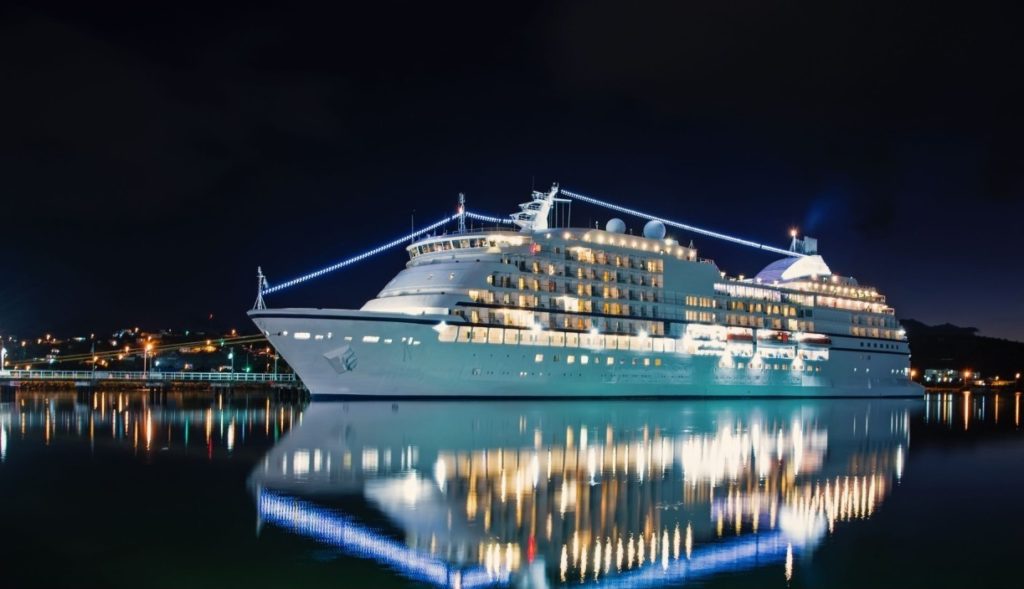
Why Travel by Overnight Ferry?
The biggest advantage is simple: you travel while you sleep.
Instead of using most of the day to move between destinations, an overnight crossing lets you relax onboard and continue exploring the following morning. Depending on the route, you may also be able to bring your own vehicle.
| Overnight Ferry May Work Well For | Why |
|---|---|
| Road trippers | Continue the journey with your own vehicle |
| Multi-destination travelers | Connect destinations without flying |
| Families | More freedom to move around than on a plane |
| Slow travelers | Make the journey part of the experience |
| Time-conscious travelers | Cover long distances overnight |
It’s not always the fastest way to travel, but that’s partly the point. Ferry travel gives you time to slow down and experience the journey rather than simply getting through it.
What Does an Overnight Ferry Journey Feel Like?

Most journeys start at the ferry terminal, where foot passengers and travelers with vehicles follow separate boarding procedures.
Once onboard, find your cabin or seating area, leave your luggage, and spend some time exploring the ship before departure.
Leaving Port
If the weather cooperates, head outside as the ferry leaves. Watching the coastline slowly disappear is one of the experiences that makes ferry travel feel very different from flying.
Evening Onboard
Facilities depend on the ship and operator. Larger ferries may offer restaurants, cafés, bars, lounges, shops, Wi-Fi, or entertainment, while simpler vessels focus mainly on transportation and accommodation.
Sleeping at Sea
Cabins offer more privacy and comfort on longer crossings, although you may still notice some vibration or movement from the ship.
Light sleepers may want to pack earplugs and an eye mask, while travelers prone to seasickness should prepare before departure.
Waking Up Somewhere New
Morning is arguably the most memorable part.
Instead of waking up at the same hotel, you open the curtains to a different coastline. After breakfast, collect your belongings, disembark, and continue exploring.
Cabin or Seat: Which Should You Choose?
Accommodation varies between operators and sailings, so always check what’s included in your ticket.
| Cabin | Seat | |
|---|---|---|
| Comfort | Higher | Basic |
| Privacy | Private space | Shared passenger area |
| Sleeping | Proper bed | Seat/reclining seat |
| Best for | Long overnight crossings | Shorter/budget trips |
| Extra luggage space | Usually easier | More limited |
For a genuine overnight journey, a cabin can be worth considering simply because arriving well-rested makes the following day much more enjoyable.
On some Direct Ferries search results, certain sailings are specifically marked “Cabin included,” making it easier to identify options where accommodation is already part of the displayed crossing.
What Can You Expect Onboard?
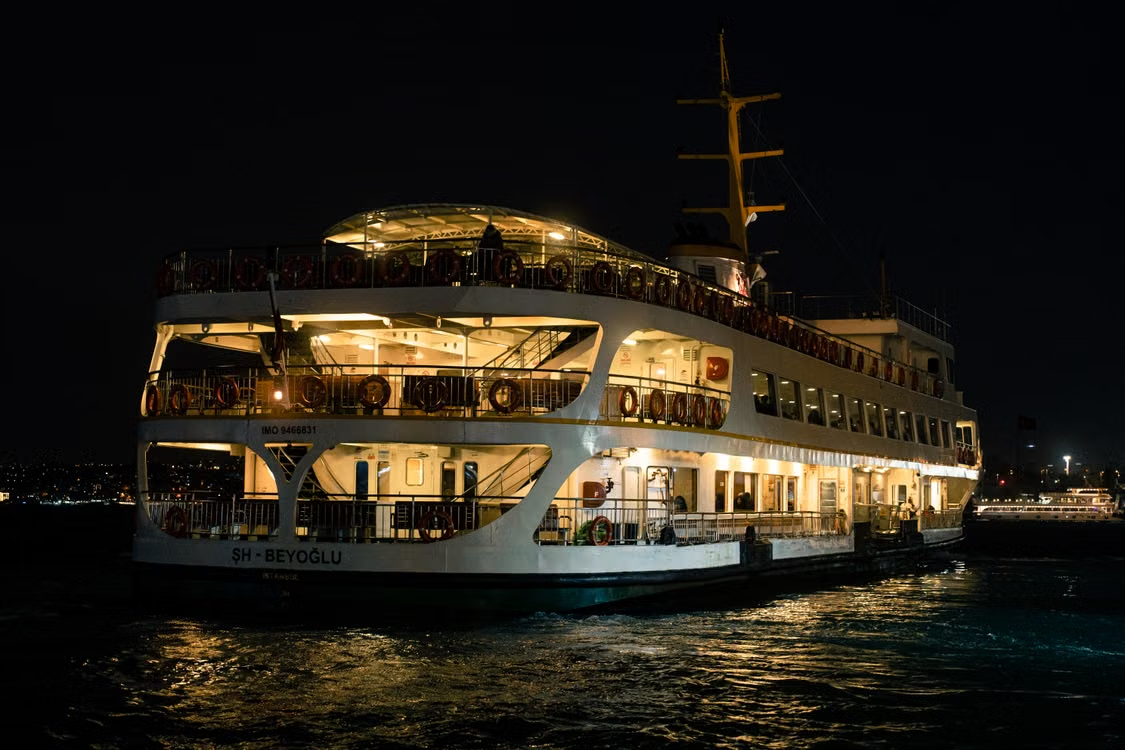
There’s no universal overnight ferry experience because facilities depend on the vessel.
Larger ships may feel surprisingly close to small cruise ships, with restaurants, lounges, bars, shops, outdoor decks, and entertainment. Other ferries provide a much simpler experience.
Rather than choosing based solely on journey time or price, check the vessel facilities if things like Wi-Fi, restaurants, private bathrooms, accessibility, or family amenities matter to you.
For one night, however, the essentials are usually simple: somewhere comfortable to sleep, food, charging access, and a place to relax before bed.
Popular Overnight Ferry Routes
Several longer crossings work particularly well as overnight journeys.
Stockholm → Helsinki
One of the classic Baltic ferry journeys, connecting Sweden and Finland in roughly 17 hours.
Operators such as Tallink Silja Line and Viking Line serve the route, with afternoon/evening departures allowing travelers to spend the night onboard before arriving the following morning.
Hirtshals → Bergen
This northern European crossing takes approximately 17-18 hours, depending on the sailing.
It’s particularly useful for road trips because travelers can cross from Denmark toward Norway without making the entire journey overland.
Don’t Choose by Crossing Time Alone
Searching for the same journey can reveal very different options.
For example, the Stockholm-Helsinki search shows the direct crossing alongside alternatives involving Turku, Kapellskär, and Naantali. Depending on the sailing, you may see different departure times, journey lengths, prices, and Cabin Included options.
That means a slightly longer ferry can sometimes fit your itinerary better than the fastest option.
An evening departure that carries you overnight may preserve an entire sightseeing day at either end of the journey.
Bringing a Vehicle on an Overnight Ferry
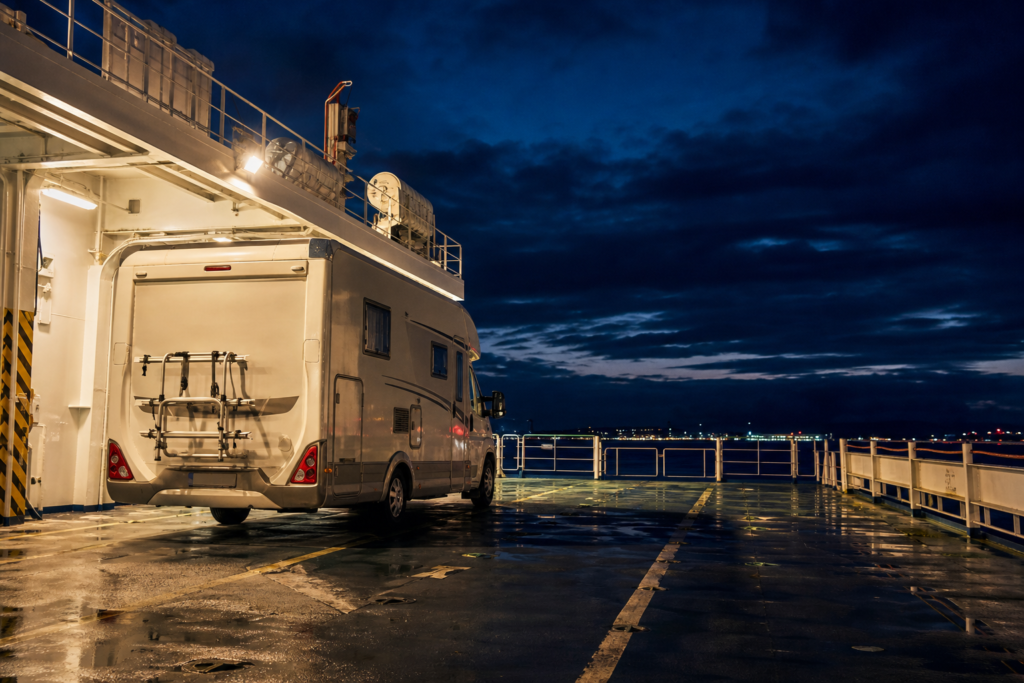
This is where overnight ferries become particularly useful for European road trips.
Depending on the route and operator, Direct Ferries allows travelers to search with:
🚗 Car · 🏍️ Motorcycle · 🚐 Camper · 🚚 Van · 🚌 Minibus · 🚶 No vehicle
If you’re bringing a vehicle, keep a small overnight bag with you containing your documents, charger, medication, toiletries, valuables, and a change of clothes. Access to the vehicle deck may be restricted during the crossing, so don’t leave anything essential inside.
For campers and larger vehicles, make sure you enter the correct vehicle details during the booking process.
How to Choose the Right Overnight Ferry
The best overnight ferry isn’t necessarily the fastest or cheapest. A departure that fits naturally into your evening and arrives at a convenient time the next morning may be far more useful.
Before booking, compare:
- Departure and arrival times – evening departures usually make better use of the overnight journey.
- Cabin options – check whether a cabin is included or needs to be added separately.
- Departure and arrival ports – alternative ports can sometimes offer more convenient sailings.
- Vehicle options – particularly important for cars, campers, motorcycles, vans, and minibuses.
- Onboard facilities – check the individual vessel if restaurants, Wi-Fi, or other amenities matter to you.
Direct Ferries can be useful at this stage because a single search may show different operators, schedules, journey times, alternative routes, and accommodation options side by side.
Read more about Direct Ferries: Direct Ferries Review | Best Scenic Ferry Trips from Boston 2026
Tip: Don’t automatically choose the lowest fare. An overnight sailing with a cabin and a convenient morning arrival could be more useful than saving money on a journey that takes up most of your day.
What to Pack for a Night at Sea

You don’t need much for one night, but keep your essentials somewhere easy to reach. Especially if you’re traveling with a vehicle and access to the vehicle deck is restricted during the crossing.
Overnight Ferry Essentials
1. Travel documents
Passport or ID, booking confirmation, and any required vehicle documents.
2. Phone & charger
Charge your devices before sleeping, particularly if you’ll need maps after arrival.
3. Warm layer
Outdoor decks can be cool and windy even during warmer months.
4. Small toiletry kit
Keep overnight essentials separate from your main luggage.
5. Medication & seasickness essentials
Anything you may need during the crossing should stay with you.
6. Earplugs & eye mask
Simple additions that can make sleeping onboard much easier.
For vehicle passengers, think of it as packing a one-night hotel bag. Leave the rest in your car or camper and take only what you’ll actually use onboard.
Who Are Overnight Ferries Best For?

Overnight ferries make the most sense when the crossing itself complements your itinerary rather than simply adding another form of transportation.
They’re particularly appealing to road trippers, since bringing a car or camper means the journey can continue almost immediately after disembarking.
They can also work well for travelers visiting several European destinations. Instead of checking out of a hotel, flying, collecting luggage, and checking into another hotel, an overnight crossing combines part of that transfer with your night’s accommodation.
And if you enjoy slower travel, there’s an experience here that flying simply doesn’t offer: dinner at sea, sunset from the deck, a night aboard, and a completely different coastline waiting in the morning.
Is an Overnight Ferry Worth It?
For the right itinerary, yes, but not simply because it gets you from A to B.
The real value is combining transportation, part of your accommodation, and an experience into the same night. You can finish exploring one destination in the afternoon, board the ferry, and start the next morning somewhere new.
An overnight ferry may be particularly worth considering when:
- the sailing replaces a long daytime transfer;
- you’re traveling with a car or camper;
- a cabin is available for a comfortable night’s sleep;
- the arrival port fits naturally into your next destination.
On the other hand, travelers who prioritize the shortest possible travel time may still prefer flying.
The key is to compare the whole journey, not just the number of hours spent onboard.
FAQs
Can you sleep on an overnight ferry?
Yes. Many longer sailings offer cabins or other sleeping/seating options. Accommodation varies by operator and vessel, so check what’s included before booking.
Are cabins included in overnight ferry tickets?
Sometimes. Certain sailings may show “Cabin Included,” while others require you to select accommodation separately during booking.
Can I take my car on an overnight ferry?
Many routes accept vehicles. Depending on the sailing, options can include cars, motorcycles, campers, vans, and minibuses.
Can I access my car during the crossing?
Vehicle deck access may be restricted while the ferry is at sea. Take documents, medication, chargers, valuables, and overnight essentials with you when leaving the vehicle.
How early should I arrive?
Check-in deadlines vary by route, operator, and whether you’re traveling with a vehicle. Always follow the instructions provided for your specific sailing.
Final Thoughts
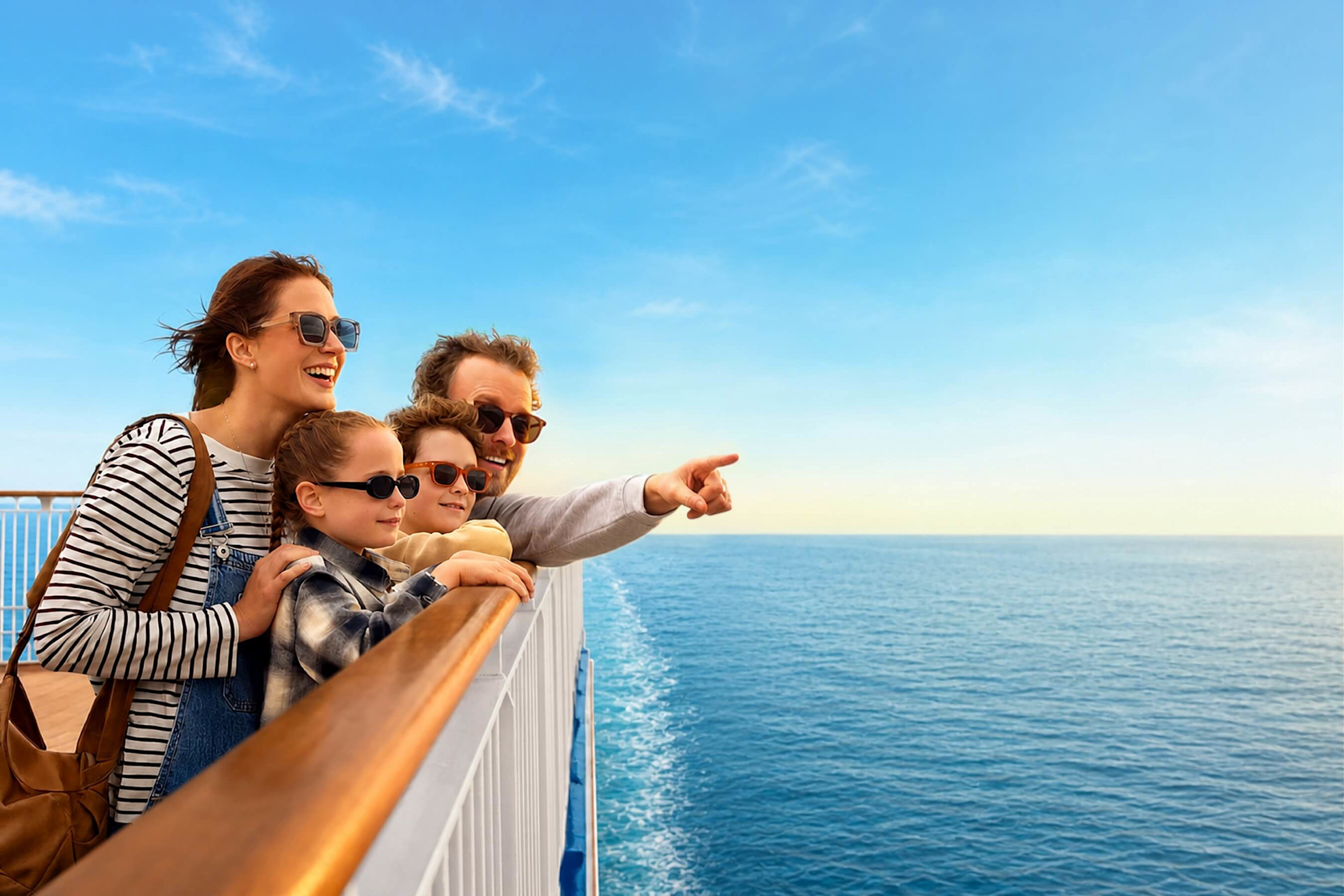
An overnight ferry is more than a way to avoid another flight. For the right route, the crossing becomes a memorable part of the trip itself from watching the coastline disappear in the evening to waking up somewhere completely different the next morning.
Choose the sailing around your itinerary, check the accommodation and onboard facilities carefully, and give yourself enough time to enjoy the journey rather than treating it purely as transportation.

Continue exploring
Related field notes

Best Yacht Destinations: Where to Go by Yacht in 2026
If you are searching for Best Yacht Destinations, the right place can turn a simple boat rental into an unforgettable holiday. From…
Read the guide
Best Car Rental Deals: Why DiscoverCars Is a Top Choice for Comparing Rental Cars
Best Car Rental Deals are easier to find when you can compare prices, rental conditions, supplier ratings, and vehicle types in one…
Read the guide
Best Tour Guide 2026: Top Destinations & Tours with Amstar DMC
If you are looking for the Best Tour Guide for a Caribbean or Mexico vacation, Amstar DMC is worth considering for its…
Read the guide