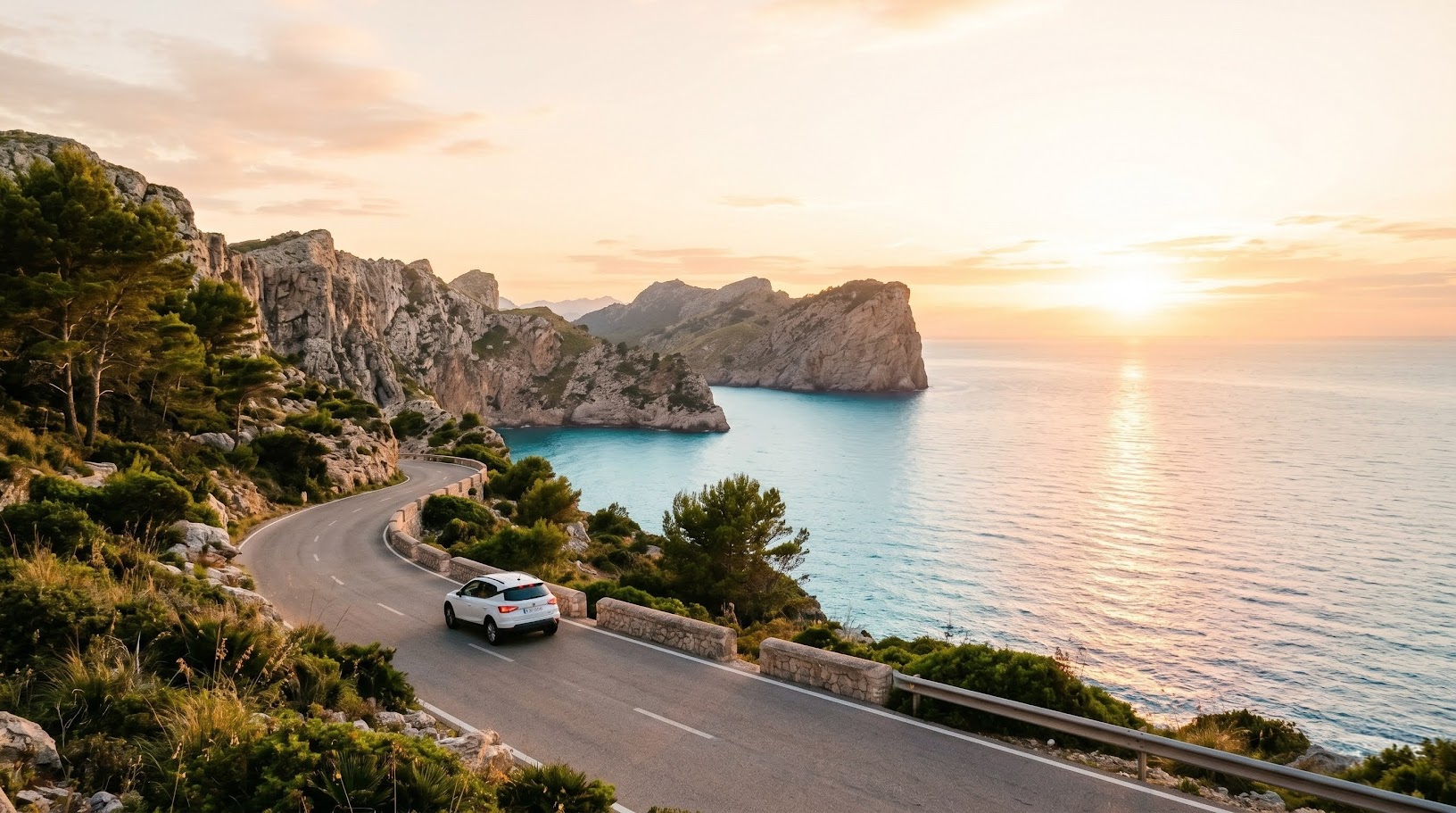
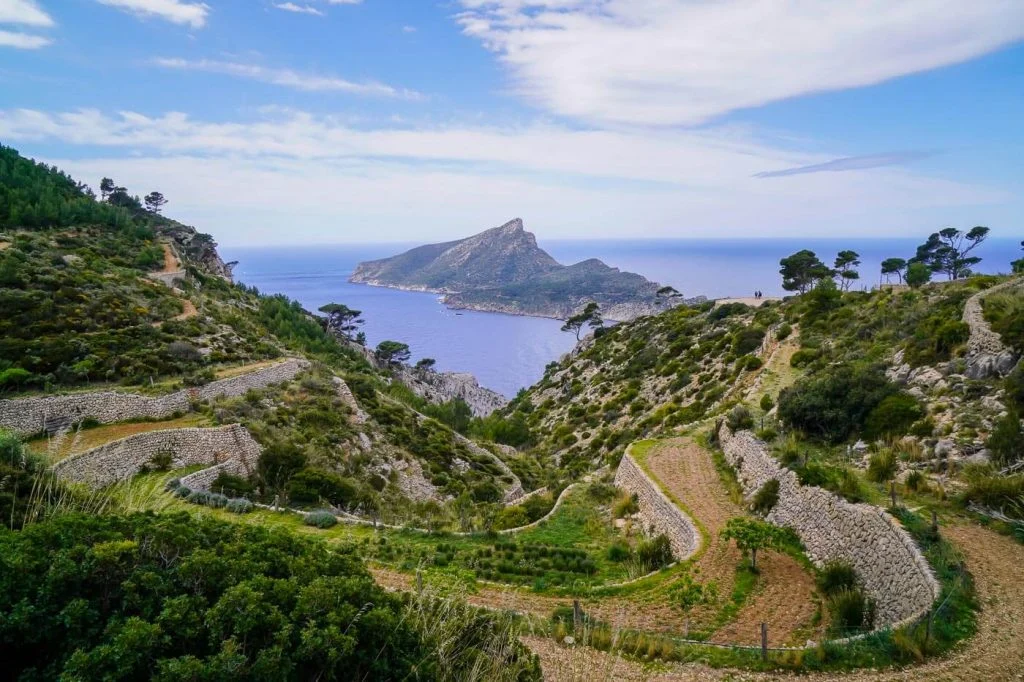
Exploring Mallorca by car reveals a side of the island that is easy to miss when staying in one resort. Beyond Palma, roads wind through the Serra de Tramuntana, connect stone-built mountain villages, follow stretches of Mediterranean coastline, and lead toward beaches and viewpoints scattered around the island.
A rental car isn’t necessary for every Mallorca holiday. But if your plans include Valldemossa, Deià, Sóller, Sa Calobra, or the northern tip of the island, having your own vehicle gives you much more freedom over when to leave, where to stop, and how long to stay.
This Mallorca road trip starts around Palma and gradually works its way through some of the island’s most rewarding landscapes. Along the way, we’ll also look at practical driving considerations and how Wiber can fit into a self-drive trip without making the rental itself the focus of the journey.
Is Renting a Car Worth It in Mallorca?
It depends on how you plan to spend your holiday.
If you’re staying primarily in Palma, public transportation, taxis, and walking may cover most of what you need. Renting a car simply to leave it parked for several days doesn’t add much value.
Once your itinerary extends beyond the city, the equation changes.
A car makes it much easier to combine mountain villages, coastal viewpoints, beaches, and smaller towns in a single trip. You’re also free to leave early, change plans when somewhere catches your attention, or spend longer at a destination without planning around a return bus.
For a Mallorca road trip, that flexibility is one of the biggest reasons to drive.
Mallorca Road Trip at a Glance
Rather than trying to cover the entire island, this route concentrates on Palma, the Serra de Tramuntana, and northern Mallorca.
| Stop |
What Makes It Worth Visiting |
Suggested Time |
| Palma |
Old Town, architecture & food |
Half–1 day |
| Valldemossa |
Stone village & mountain setting |
2–3 hours |
| Deià |
Coastal scenery & village atmosphere |
1–2 hours |
| Sóller |
Historic town surrounded by mountains |
Half day |
| Sa Calobra |
Dramatic mountain drive & coastline |
2–3 hours |
| Northern Mallorca |
Beaches, towns & slower coastal scenery |
Half–1 day |
| Cap de Formentor |
Cliffs and panoramic viewpoints |
Half day |
You could technically cover many of these places quickly, but Mallorca is much more enjoyable when the itinerary leaves room for spontaneous stops.
Exploring Mallorca Road Trip: Stop by Stop
1. Start in Palma
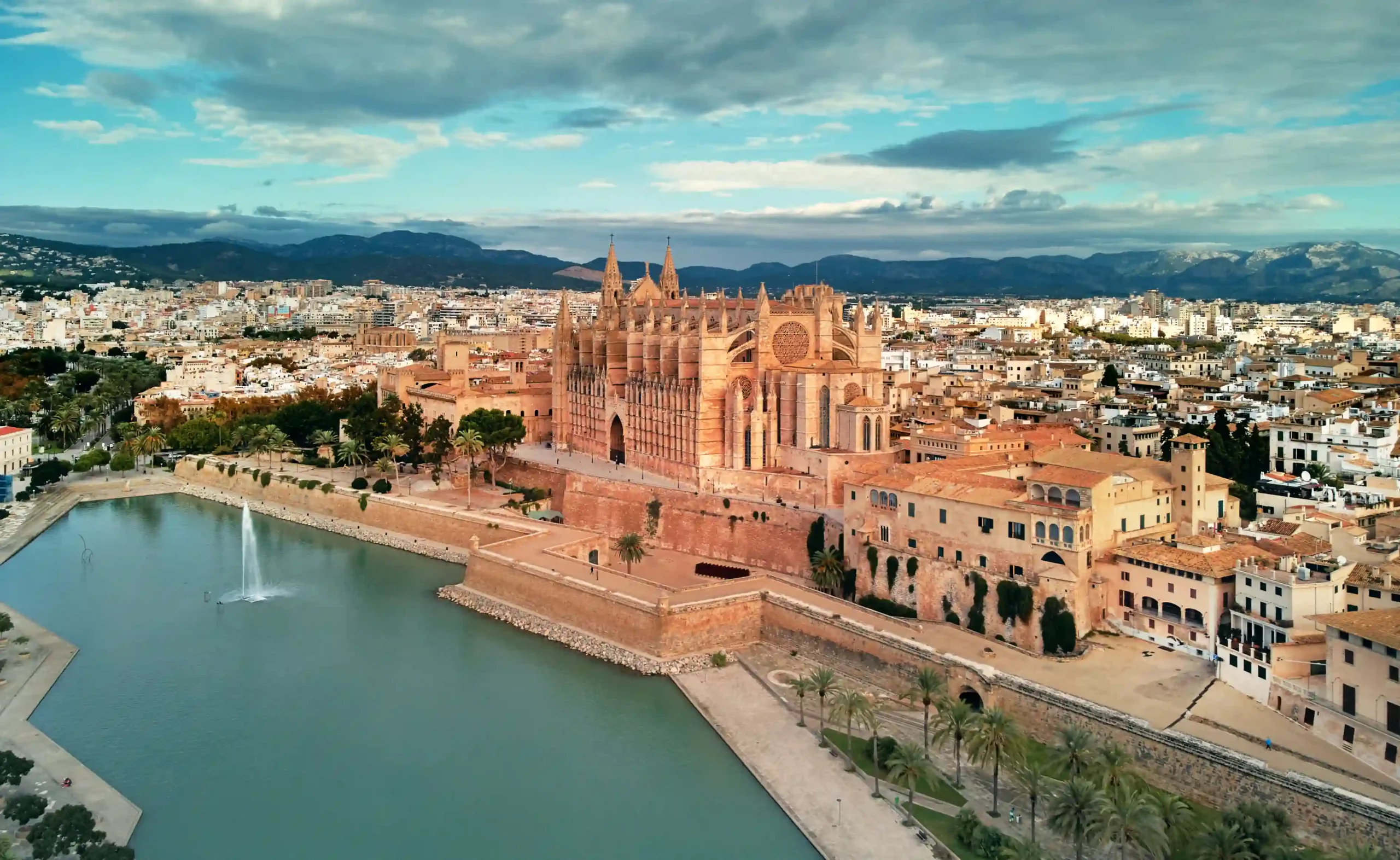
Palma makes a natural starting point, particularly if you’re flying into Palma de Mallorca Airport.
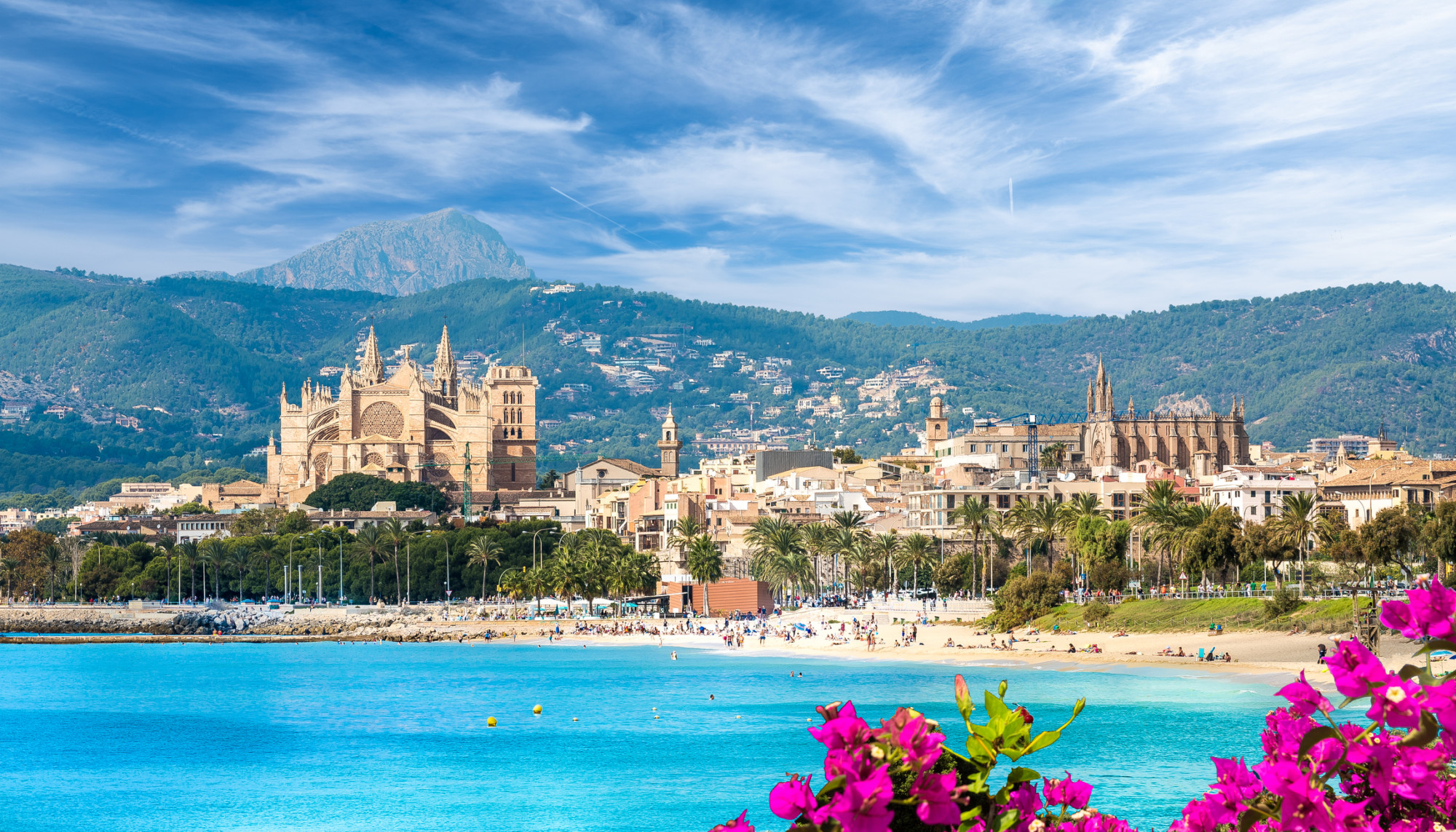
Before heading into the mountains, spend some time exploring the capital itself. Palma’s historic center is compact enough for walking, with narrow streets opening onto squares, cafés, shops, and landmarks such as La Seu Cathedral.
You don’t necessarily need your rental car while sightseeing in central Palma. In fact, leaving it parked can be easier than navigating busy streets and finding parking around the Old Town.
Once you’re ready to leave the city behind, the character of the trip changes quickly.
Starting Your Drive with Wiber
Wiber’s Mallorca office is located at Carrer de Can Singala, 16, outside Palma de Mallorca Airport rather than directly inside the terminal.
A free shuttle connects the airport with the rental office. According to Wiber, the shuttle continuously travels between the airport meeting point and its office during operating hours, with a complete circuit taking around 15 minutes.
Booking confirmations provide instructions for finding the meeting point, and Wiber also provides a live shuttle tracker by email.
For travelers who want to get on the road shortly after landing, this setup makes Palma Airport a convenient place to begin the itinerary.
2. Palma → Valldemossa
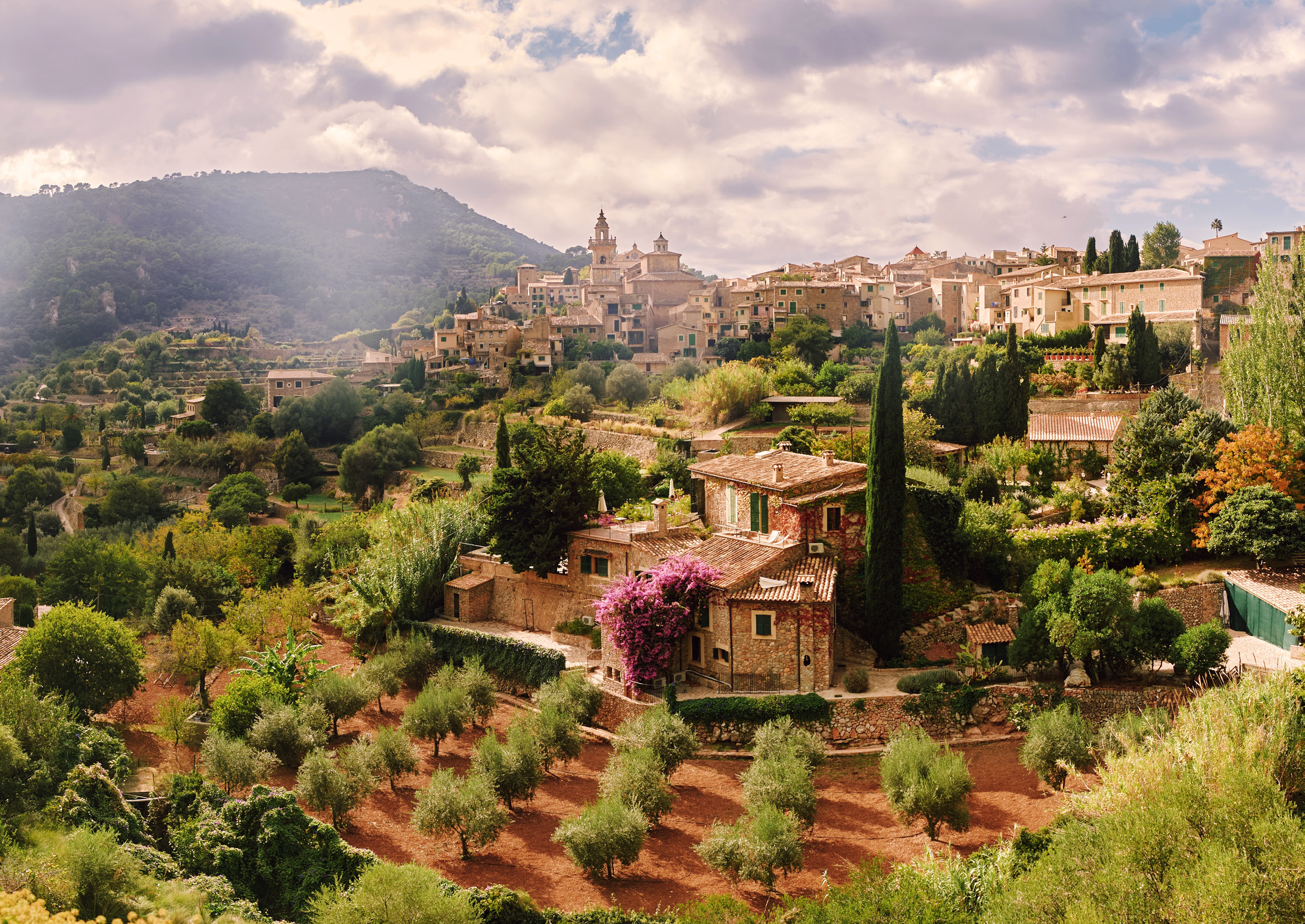
Leaving Palma for Valldemossa is where the road trip begins to feel distinctly different from a city break.
The landscape becomes greener and more mountainous as you approach the Serra de Tramuntana, eventually reaching one of Mallorca’s characteristic stone-built villages.
Valldemossa is best explored slowly. Park outside the historic center where appropriate and continue on foot through its narrow streets, stopping for viewpoints, cafés, or simply wandering without a strict plan.
Allow around two to three hours if Valldemossa is one of several stops that day.
Road-trip tip
A smaller car begins to show its advantages here. Narrow streets and compact parking spaces can make a small or medium vehicle easier to manage than choosing a large SUV simply because it offers more room.
3. Valldemossa → Deià
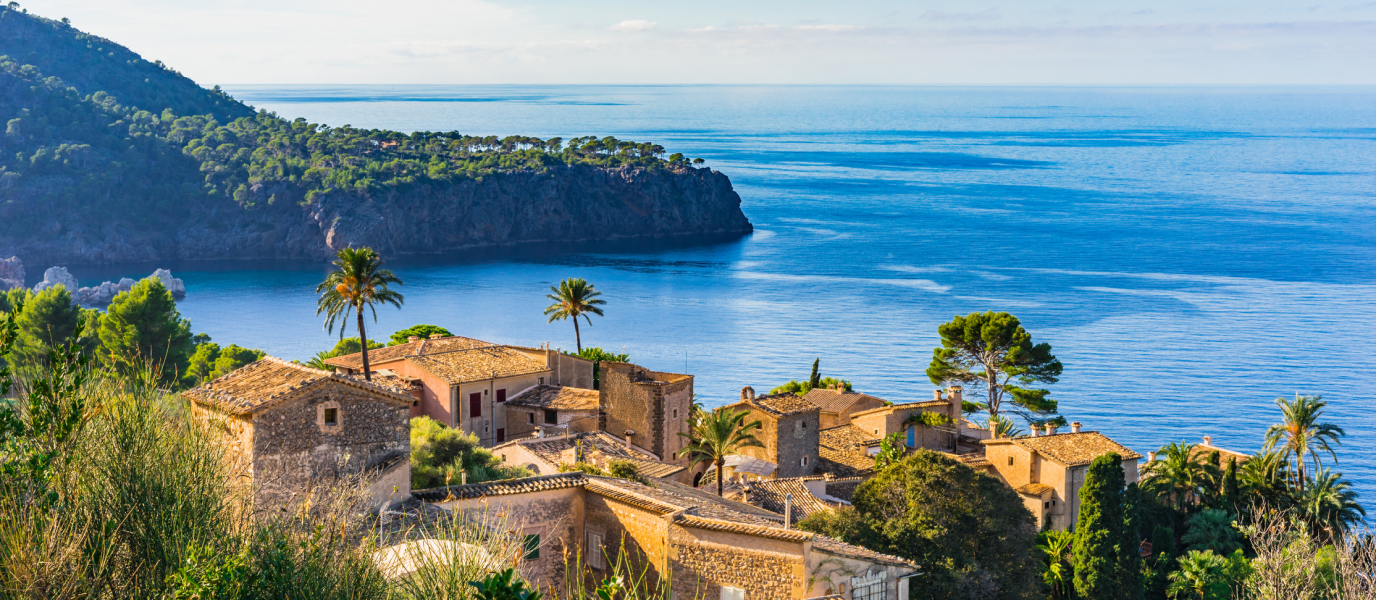
The drive toward Deià is relatively short, so there’s little reason to rush it.
Mountains rise on one side while glimpses of the Mediterranean appear on the other, creating exactly the kind of journey where having your own car feels worthwhile.
Deià itself is small. Its appeal comes less from ticking off attractions and more from the setting traditional stone buildings climbing the hillside with the Tramuntana mountains behind them.
Spend an hour or two exploring, or stay longer if Deià becomes your lunch stop.
Parking can become limited during busy periods, so arriving earlier in the day can make the visit easier.
Sometimes the Best Stop Isn’t on the Itinerary
One advantage of driving Mallorca isn’t simply reaching famous destinations.
It’s being able to stop when you find a viewpoint you weren’t expecting, stay longer over lunch, or change direction because another village looks interesting.
That’s why this route should be treated as a framework rather than a checklist.
If Valldemossa takes your entire morning, let it. If Deià feels crowded when you arrive, continue toward Sóller and return another time.
The road trip works better when the car gives you flexibility rather than creating another schedule to follow.
4. Deià → Sóller
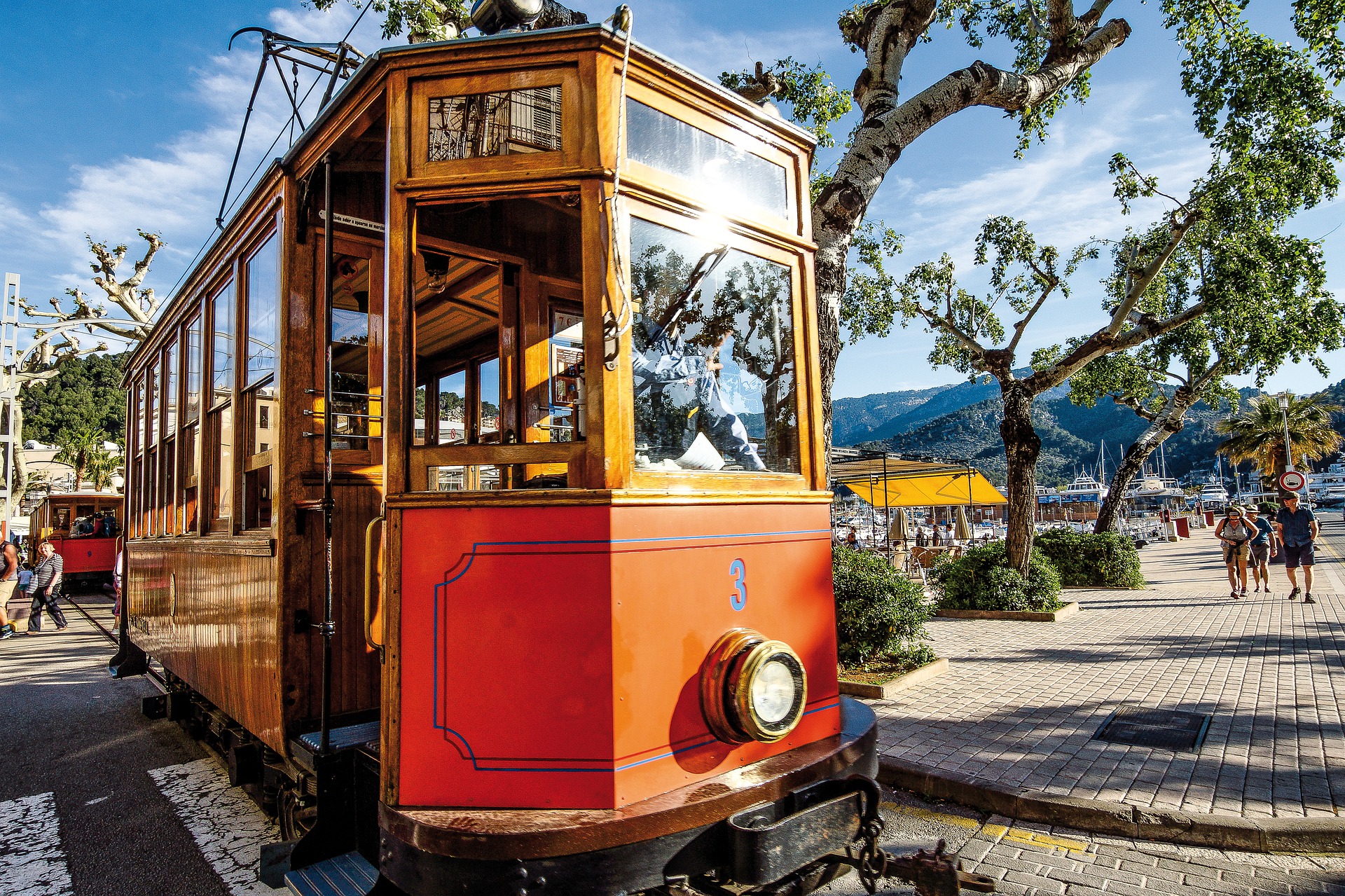
Continue north toward Sóller, another of the Serra de Tramuntana’s most recognizable towns.
Surrounded by mountains and citrus-growing countryside, Sóller works particularly well as a longer stop—or even an overnight base—because there’s enough nearby to justify slowing down.
Explore the historic center before continuing toward Port de Sóller if you want some time beside the water.
This is also a good point to break up the road trip. Instead of trying to squeeze Sa Calobra and northern Mallorca into the same afternoon, staying around Sóller gives you a fresh start for the more demanding mountain roads ahead.
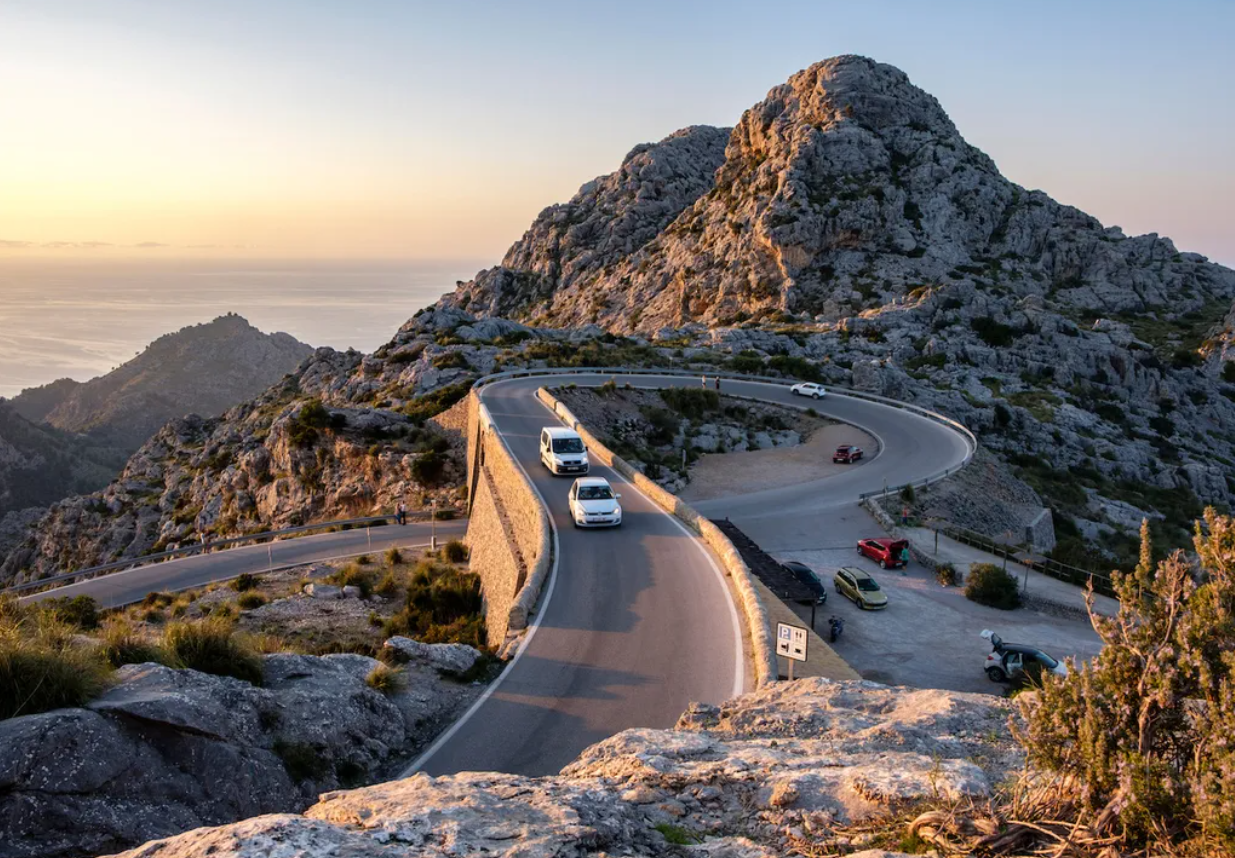
5. Sóller → Sa Calobra: When the Drive Becomes the Experience
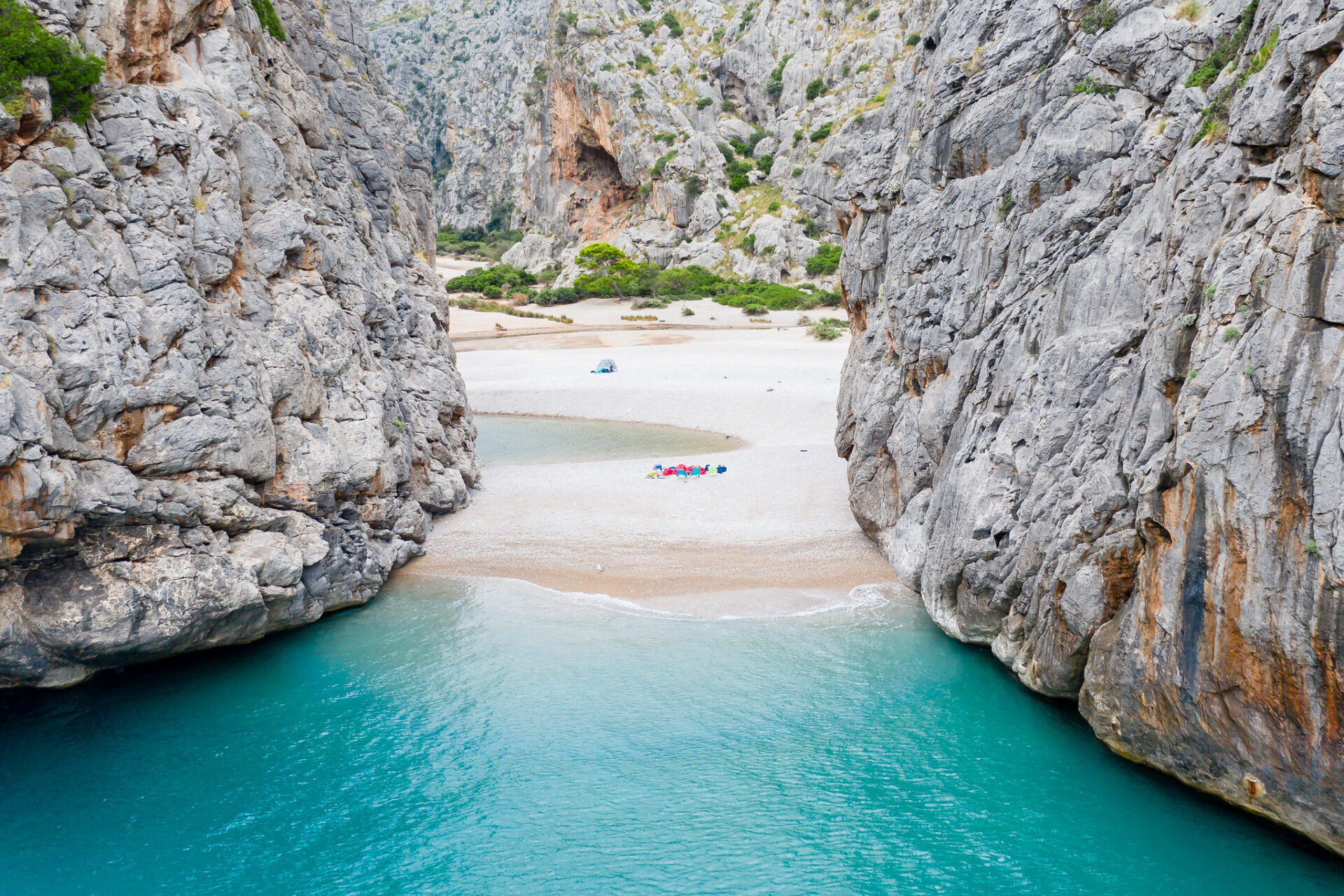
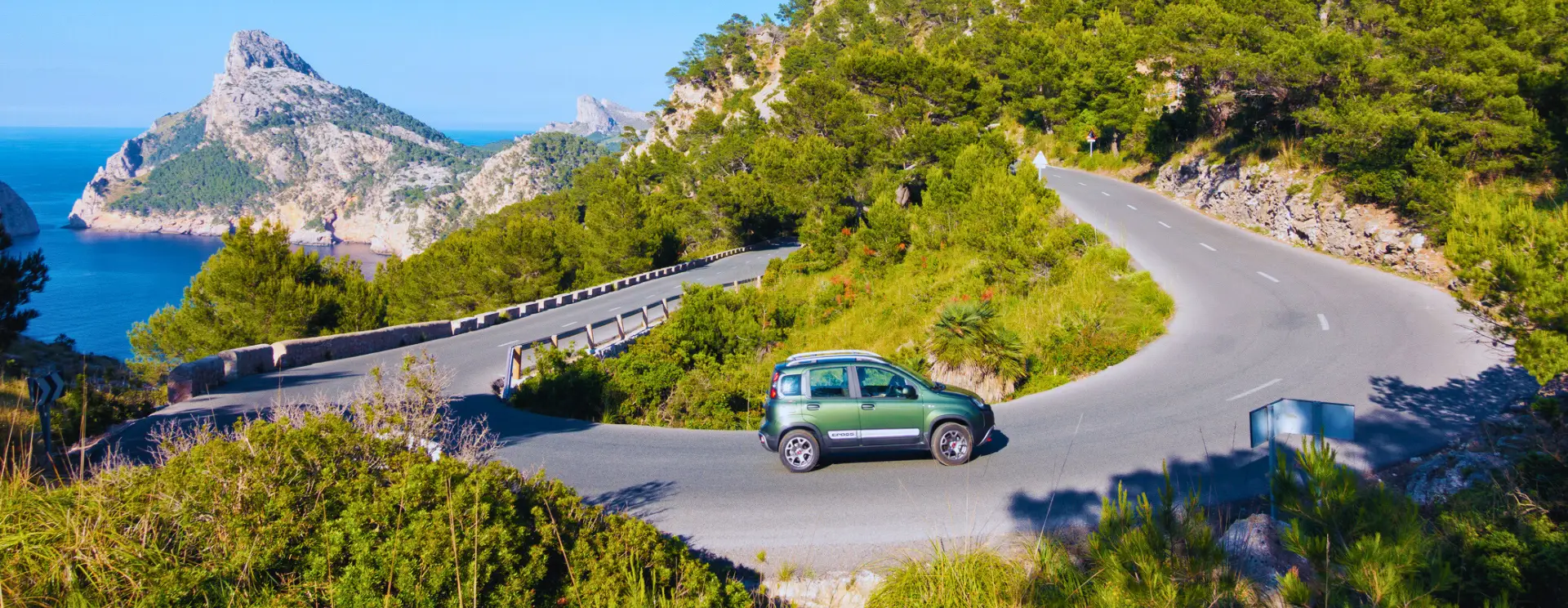
The journey toward Sa Calobra is one of those occasions where the road itself is part of the destination.
The route crosses mountainous terrain through a series of bends and dramatic elevation changes before eventually descending toward the coast.
Allow more time than the distance alone suggests.
This isn’t a section to rush, particularly if you’re unfamiliar with narrow mountain roads. Drive conservatively, watch for other vehicles and cyclists, and use designated places when stopping for views rather than pulling over unpredictably.
Once at Sa Calobra, leave the car behind and explore on foot. The surrounding cliffs and coastline provide a dramatic contrast to the villages visited earlier in the journey.
What Driving in Mallorca Is Really Like
Driving conditions can change surprisingly quickly as you move around the island.
| Where You’re Driving |
What to Expect |
| Palma |
More traffic, tighter parking and urban streets |
| Main roads |
Generally easier for covering longer distances |
| Mountain villages |
Narrower streets and limited parking |
| Serra de Tramuntana |
Winding roads requiring more concentration |
| Popular beaches |
Parking can fill quickly in busy periods |
| Scenic routes |
Journey times can be longer than the distance suggests |
For most travelers, Mallorca isn’t inherently difficult to drive around. The main adjustment is recognizing that a road through the Tramuntana should not be approached in the same way as a straightforward highway.
Choosing a manageable vehicle and avoiding an overly ambitious itinerary can make a noticeable difference.
6. Continue Into Northern Mallorca
After Sa Calobra, allow your itinerary to become more flexible.
Northern Mallorca offers a different atmosphere from Palma and the southwest, with coastal landscapes, beaches, and towns that can easily fill another half or full day.
Rather than adding every possible stop, choose according to what you actually enjoy. A beach-focused traveler may want more time by the coast, while someone interested in towns and local atmosphere may prefer to continue toward Pollença or the surrounding area.
This is also a good opportunity for an overnight stay if you’re turning the route into a relaxed three-day journey.
7. Cap de Formentor: A Scenic Finish
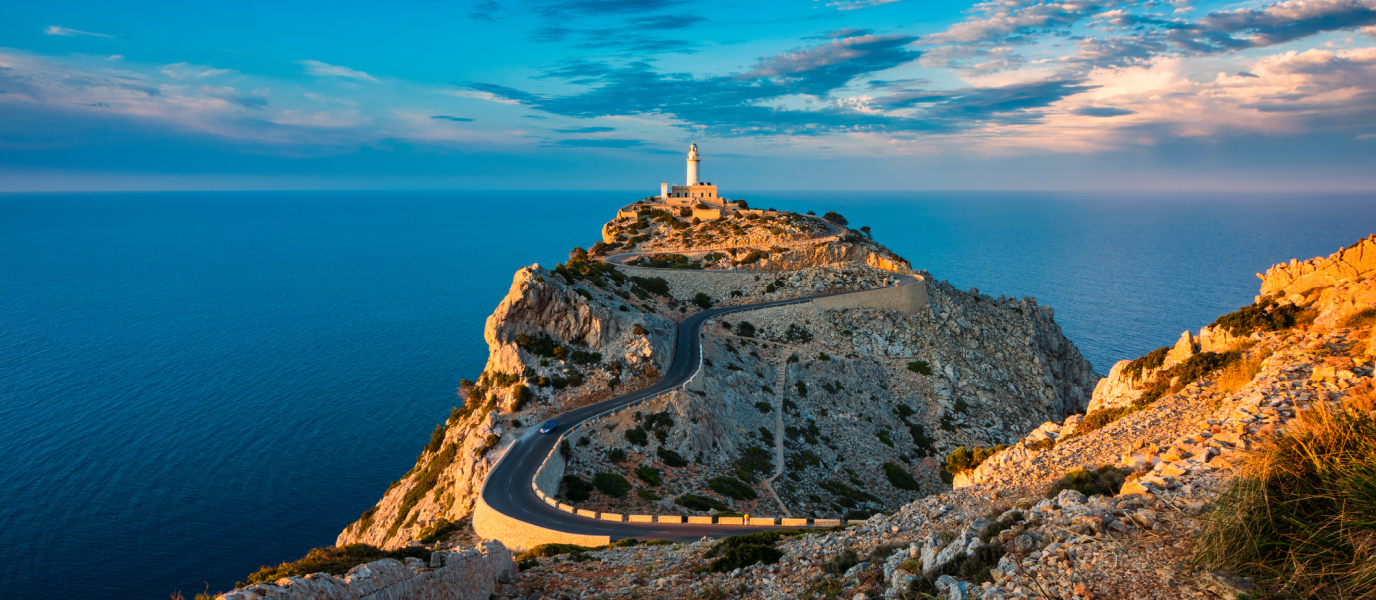
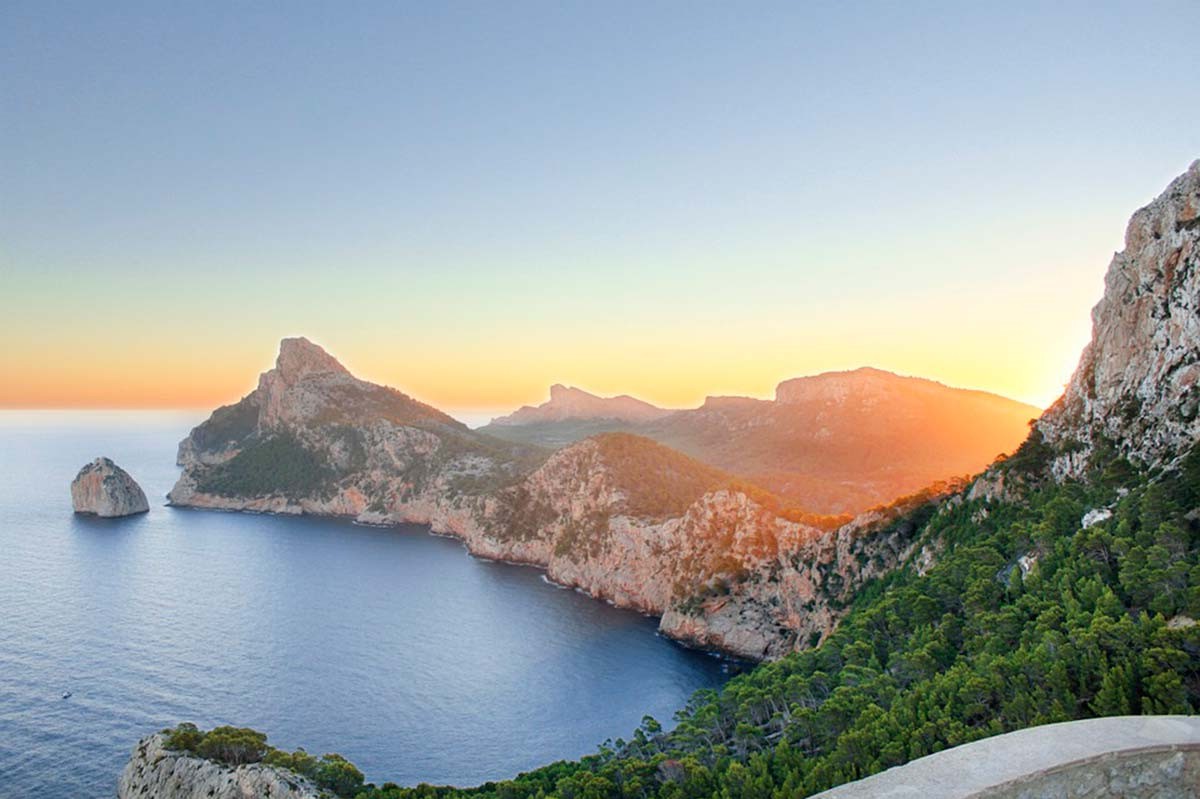
At Mallorca’s northern end, Cap de Formentor provides a fitting final chapter to the road trip.
The peninsula is known for dramatic cliffs, Mediterranean views, and scenic viewpoints along the route. Again, the journey is as important as reaching the final point.
However, don’t assume you’ll always be able to drive the entire route exactly as planned. Vehicle-access and traffic-management measures can apply around Formentor, particularly during busy periods.
Check the latest local traffic information shortly before visiting and be prepared to use available alternative transportation if restrictions are operating.
Giving yourself half a day also means you won’t have to race between viewpoints before beginning the journey back toward Palma.
A Simple 3-Day Mallorca Road Trip
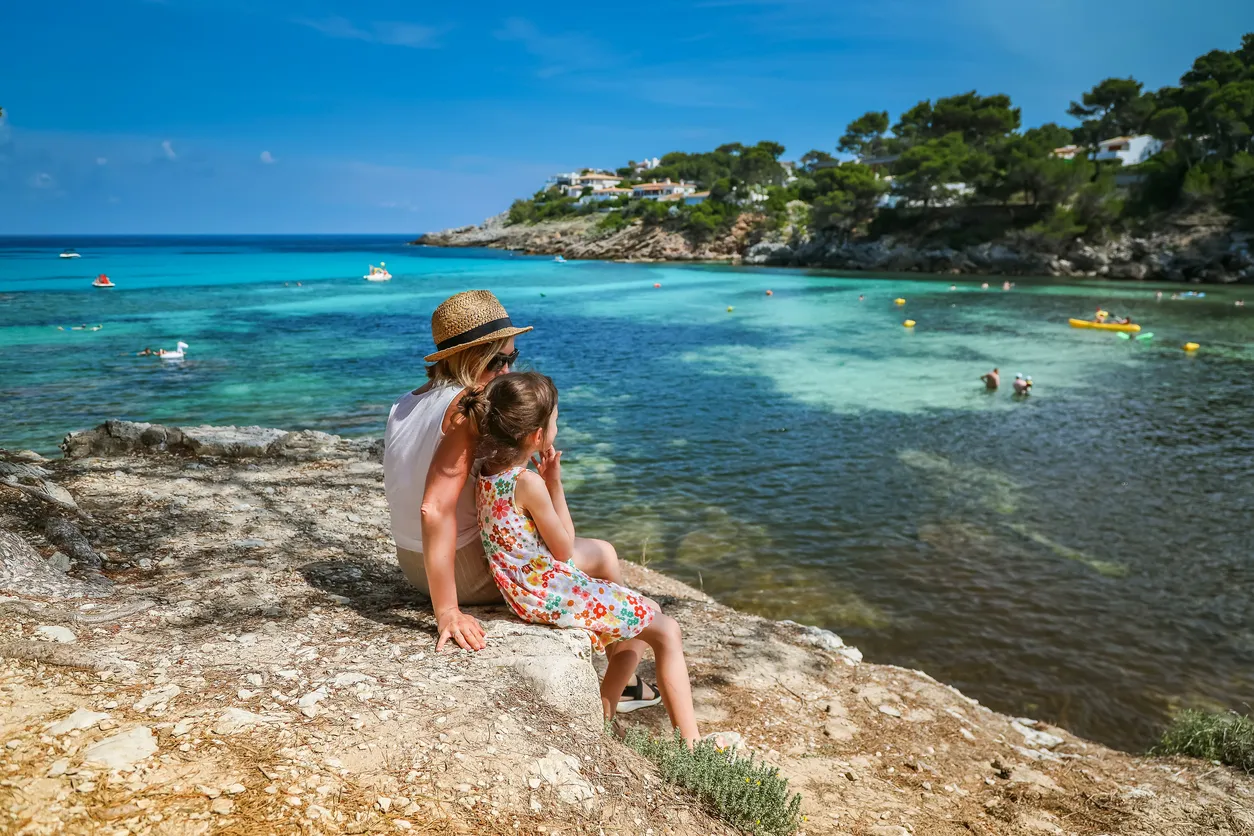
If you’re wondering how to turn these stops into a realistic itinerary, this is a comfortable starting point:
Day 1 — Palma → Valldemossa → Deià → Sóller
Spend the morning in Palma before moving into the Tramuntana. Explore Valldemossa and Deià, then finish in Sóller.
Day 2 — Sóller → Sa Calobra → Northern Mallorca
Make the mountain drive the focus rather than adding too many destinations. Continue north afterward and stay overnight.
Day 3 — Northern Mallorca → Cap de Formentor → Palma
Explore the peninsula in the morning before gradually returning toward Palma.
Three days gives you enough structure to see different parts of Mallorca without turning the road trip into a race. With more time, simply add extra nights rather than more stops.
Which Car Makes Sense for a Mallorca Road Trip?
Wiber offers several categories at its Mallorca location, but bigger isn’t automatically better for this particular trip.
Small Cars
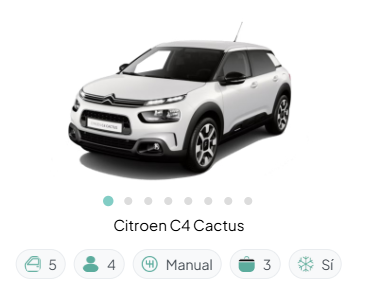
A strong option for couples and light travelers. They’re easier to park and particularly practical if your itinerary combines Palma with smaller towns and beaches.
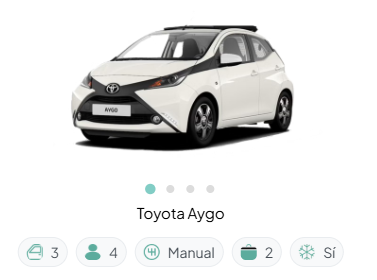
Automatic Cars
Worth considering if you’d rather concentrate on unfamiliar roads than frequent gear changes, particularly on routes involving hills and bends.
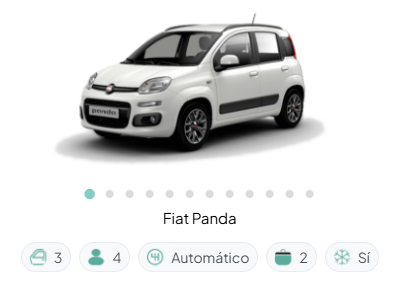
Family Cars
Extra passenger and luggage space makes these better suited to longer stays or families traveling with children.
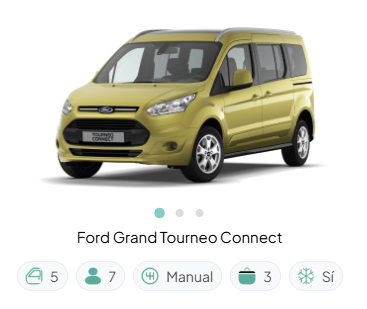
7- and 9-Seater Vehicles
Useful for larger families and groups who would otherwise need multiple cars.
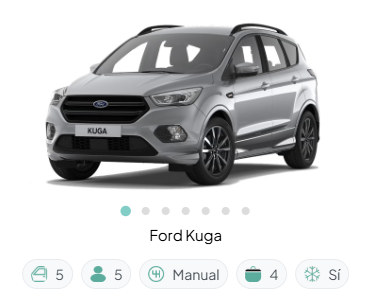
SUVs
Additional space and comfort can be useful, particularly for groups carrying more luggage. However, don’t assume an SUV is necessary simply because you’re visiting the mountains—the size of the vehicle should still suit the roads and parking you’ll encounter.
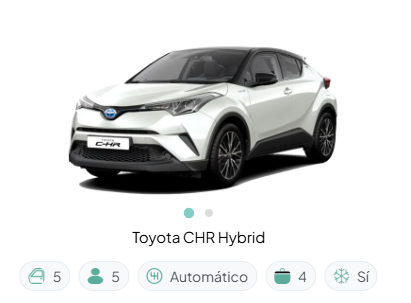
Hybrid Cars
An alternative for travelers who prefer a more fuel-efficient option for covering longer distances around the island.
Before You Drive: A Few Wiber Details Worth Knowing
Since this article focuses on the road trip rather than reviewing Wiber itself, you don’t need to understand every rental option before planning the route. However, a few details are worth checking before leaving the Mallorca office.
Choose the Rate That Fits Your Trip
Wiber’s two main approaches are Full/Full and All Inclusive.
With the basic Full/Full rate, the rental comes with an excess and requires a security deposit hold on a physical card. The All Inclusive option includes Top Cover with zero excess and no security deposit.
Wiber also offers Smart options designed to reduce time at the rental counter by allowing parts of the pickup process to be handled digitally.
If you’d like a deeper look at how the rental service works, see our Wiber Rent a Car Review. For a broader overview of insurance, pickup and rental considerations, read Renting a Car in Spain Made Easy with Wiber: What You Need to Know.
Remember the Full-to-Full Fuel Policy
Wiber uses a Full-to-Full fuel policy. You collect the car with a full tank and should return it full.
A simple habit is to locate a convenient petrol station near the return location before your final day. That way, you aren’t searching for one while also thinking about your flight.
Mallorca Road Trip Checklist
Before setting off, a little preparation can make the trip noticeably easier:
✓ Download offline maps before heading into the mountains.
✓ Check parking options before visiting popular beaches and villages.
✓ Allow extra time for Serra de Tramuntana roads.
✓ Keep water and a light layer in the car.
✓ Check current access restrictions around Cap de Formentor.
✓ Photograph the vehicle at pickup and again before return.
✓ Confirm your fuel and insurance conditions.
✓ Avoid building an itinerary that depends on exact driving times.
Most importantly, check road and access conditions again during the trip. A route that looks straightforward on a map may take considerably longer once mountain roads, traffic, parking, and spontaneous stops are involved.