
F-Roads in Iceland for First-Time Drivers: What You Need to Know
F-Roads in Iceland are where a road trip begins to feel very different from driving the Golden Circle or following the Ring Road. These mountain roads lead into the Icelandic Highlands, opening access to volcanic landscapes, remote valleys,…
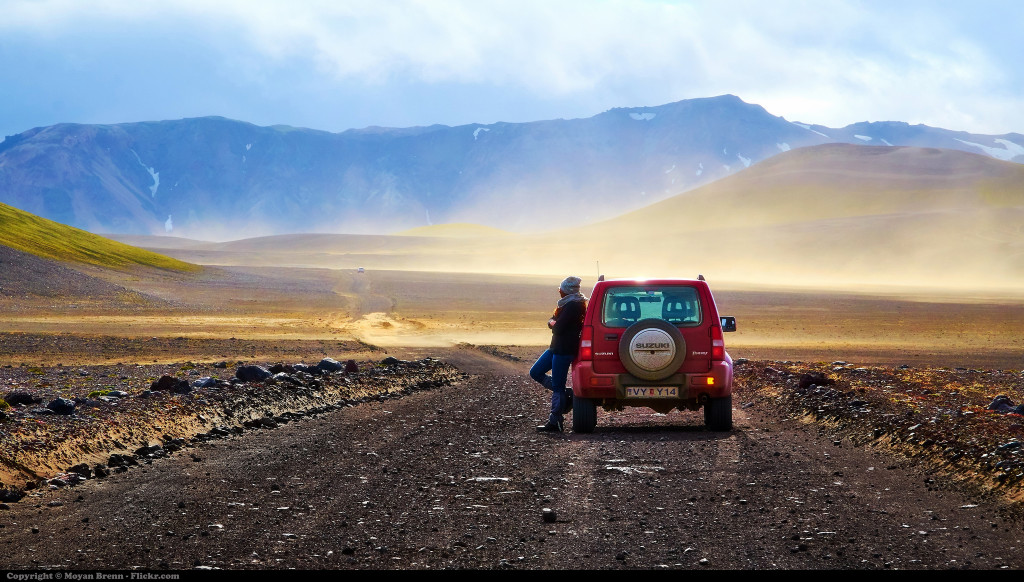
F-Roads in Iceland are where a road trip begins to feel very different from driving the Golden Circle or following the Ring Road. These mountain roads lead into the Icelandic Highlands, opening access to volcanic landscapes, remote valleys, geothermal areas, and vast stretches of wilderness far from the country’s main highways.
But F-roads require more preparation than an ordinary Iceland road trip.
A suitable 4×4 is required, many roads are only open during summer, conditions can change quickly, and some routes are far more demanding than others. Certain roads may also be prohibited by your rental company even when you’re driving a 4×4.
For first-time drivers, the goal isn’t to tackle the hardest route. It’s to find a road that matches your vehicle and experience while giving you a safe introduction to the Highlands.
F-Roads at a Glance
| What to Check | What to Know |
|---|---|
| Vehicle | Suitable 4×4 required |
| Season | Mainly accessible in summer |
| Road surface | Gravel, rocks and uneven terrain |
| River crossings | Possible on some routes |
| Services | Limited in remote areas |
| Weather | Can change rapidly |
| Off-road driving | Illegal |
| Before driving | Check current road and weather conditions |
| Rental rules | Confirm your vehicle is permitted on your route |
The most important thing to remember is:
4×4 doesn’t automatically mean you can drive every F-road in Iceland.
Your route should determine your vehicle—not the other way around.
What Are F-Roads?
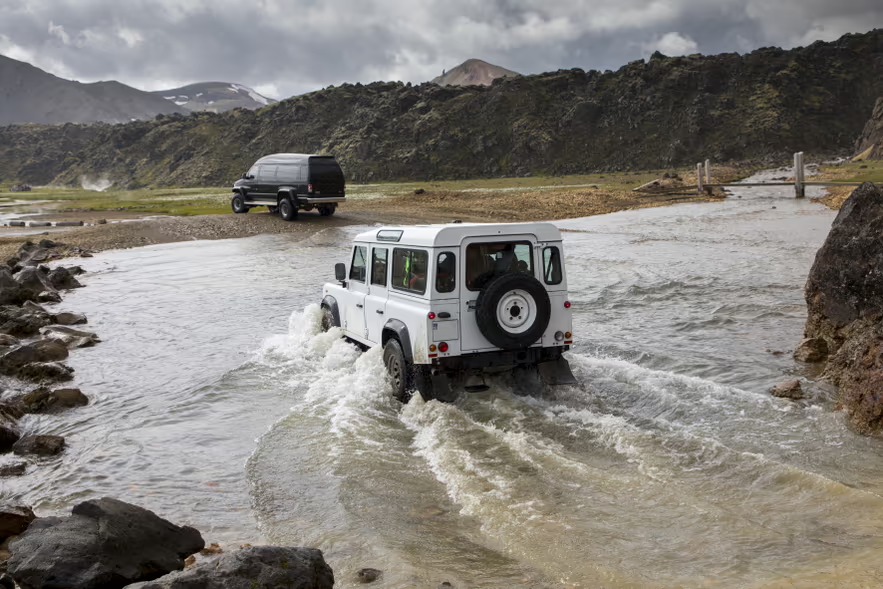
The “F” in F-road comes from Fjallvegur, meaning mountain road.
These roads primarily provide access to Iceland’s Highlands and are very different from the paved routes connecting most major towns and attractions.
Depending on the road, you may encounter:
- Loose gravel
- Potholes
- Large stones
- Steep sections
- Narrow passages
- Mud
- Rough surfaces
- Unbridged rivers
Conditions also vary dramatically between routes.
One F-road might feel like a relatively straightforward gravel drive in suitable weather, while another may require a much more capable vehicle and considerable Highland-driving experience.
F-Roads vs Gravel Roads
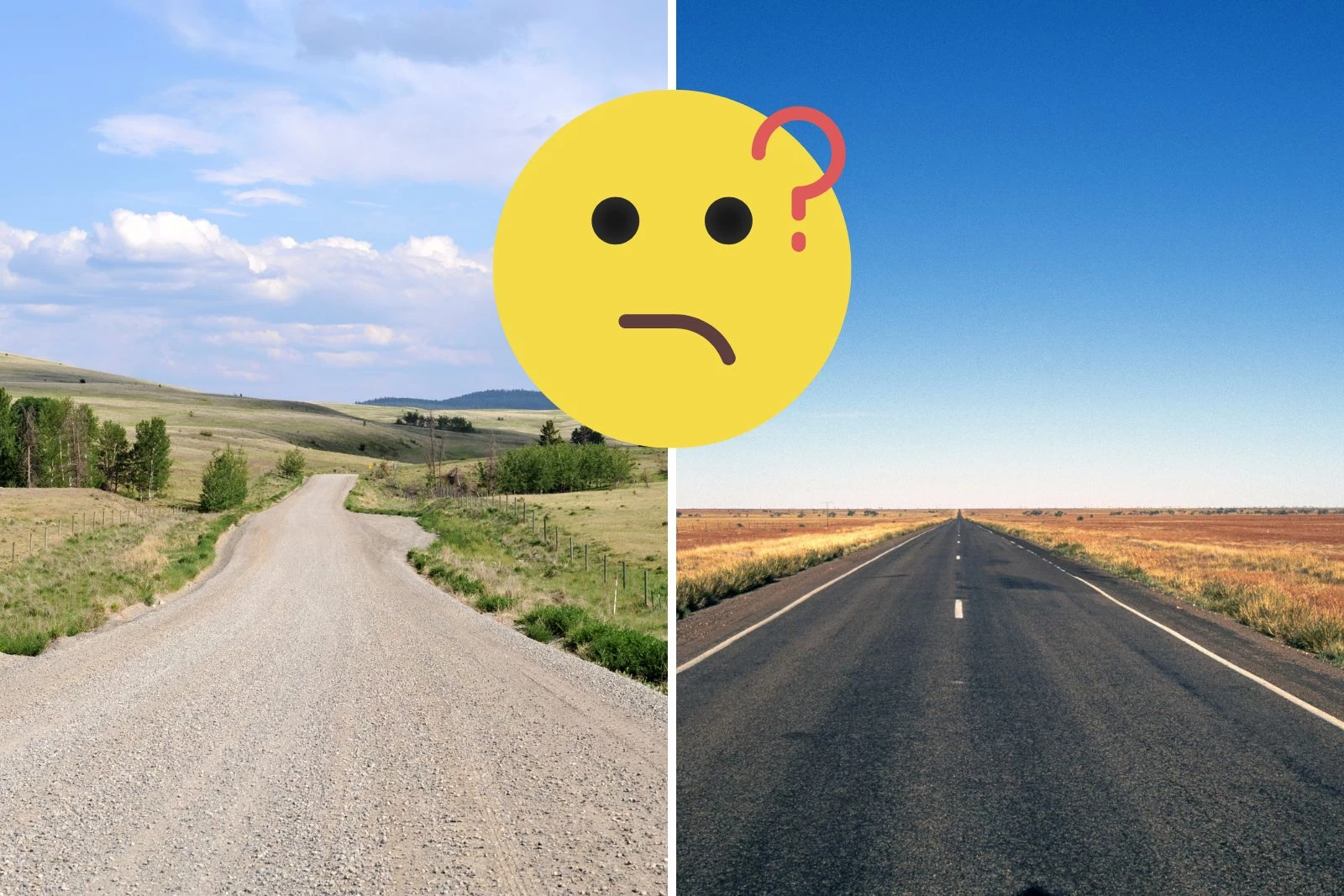
Not every gravel road in Iceland is an F-road.
You’ll find ordinary unpaved roads throughout the country, including roads that can be driven with a conventional rental car when conditions and rental terms permit.
F-roads are a different category.
| Gravel Road | F-Road | |
|---|---|---|
| Unpaved | Yes | Yes |
| 4×4 required | Not always | Yes |
| Highlands | Not necessarily | Primarily |
| Rough terrain | Possible | Common |
| River crossings | Uncommon | Possible |
| Seasonal access | Varies | Common |
| Remote environment | Varies | Often |
There is another important distinction:
F-road driving is not off-road driving.
You still need to remain on established roads and tracks. Driving across Iceland’s fragile landscape outside designated roads is illegal.
When Do F-Roads Open?
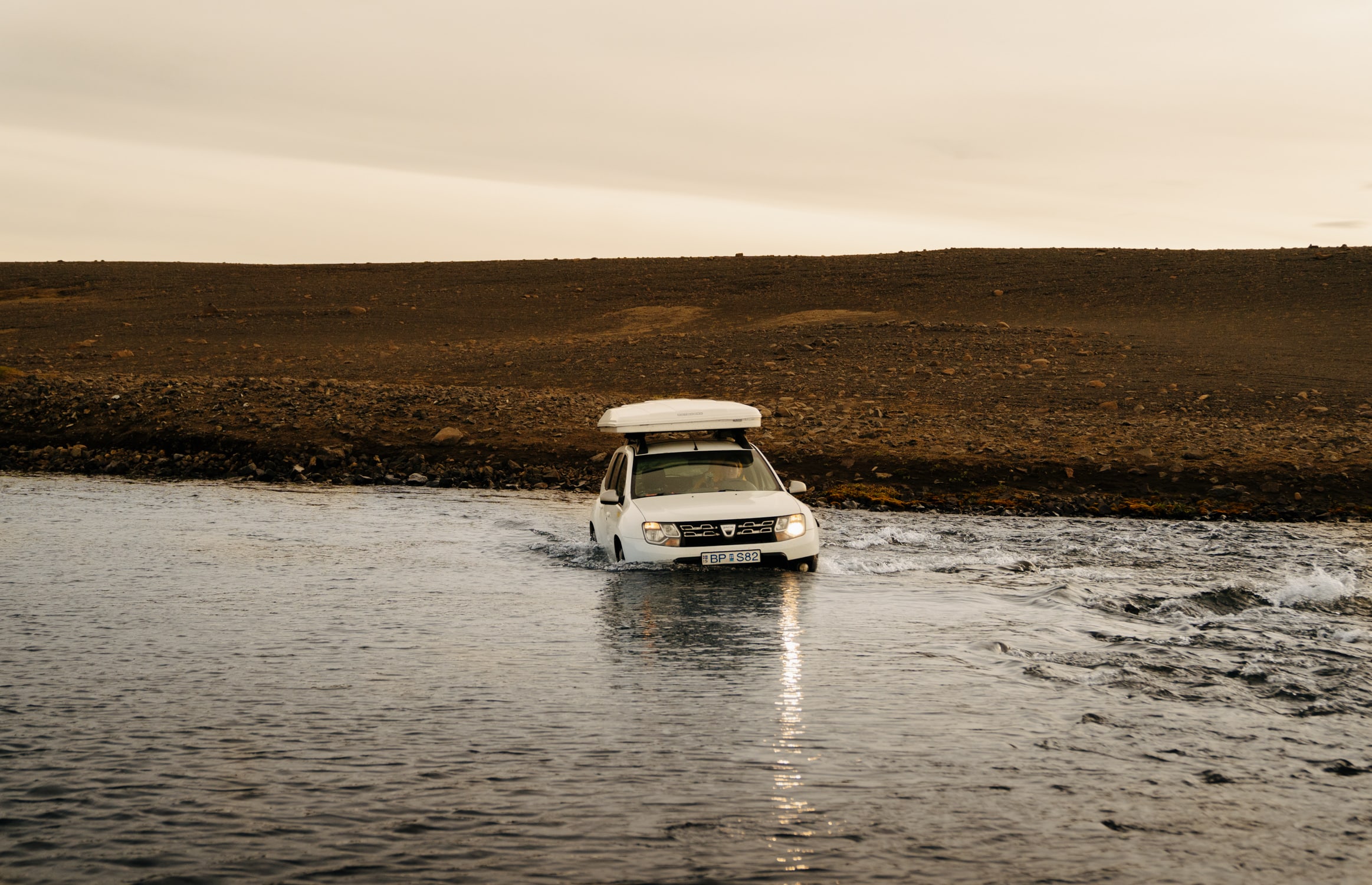
F-road driving is primarily a summer activity.
Many Highland roads remain closed while snow melts and the surface is too wet or vulnerable for traffic. Roads gradually open once authorities determine that conditions are suitable.
This means there isn’t one date when every F-road opens.
Some may become accessible around June, while others can remain closed until later. Closing dates also vary as autumn conditions return.
Even when a road is officially open, weather can affect driving conditions.
Before setting out, check:
Road status → Weather → Travel alerts → Rental restrictions
Do this on the day you’re driving, not only when creating your itinerary several weeks earlier.
Do You Need a 4×4?
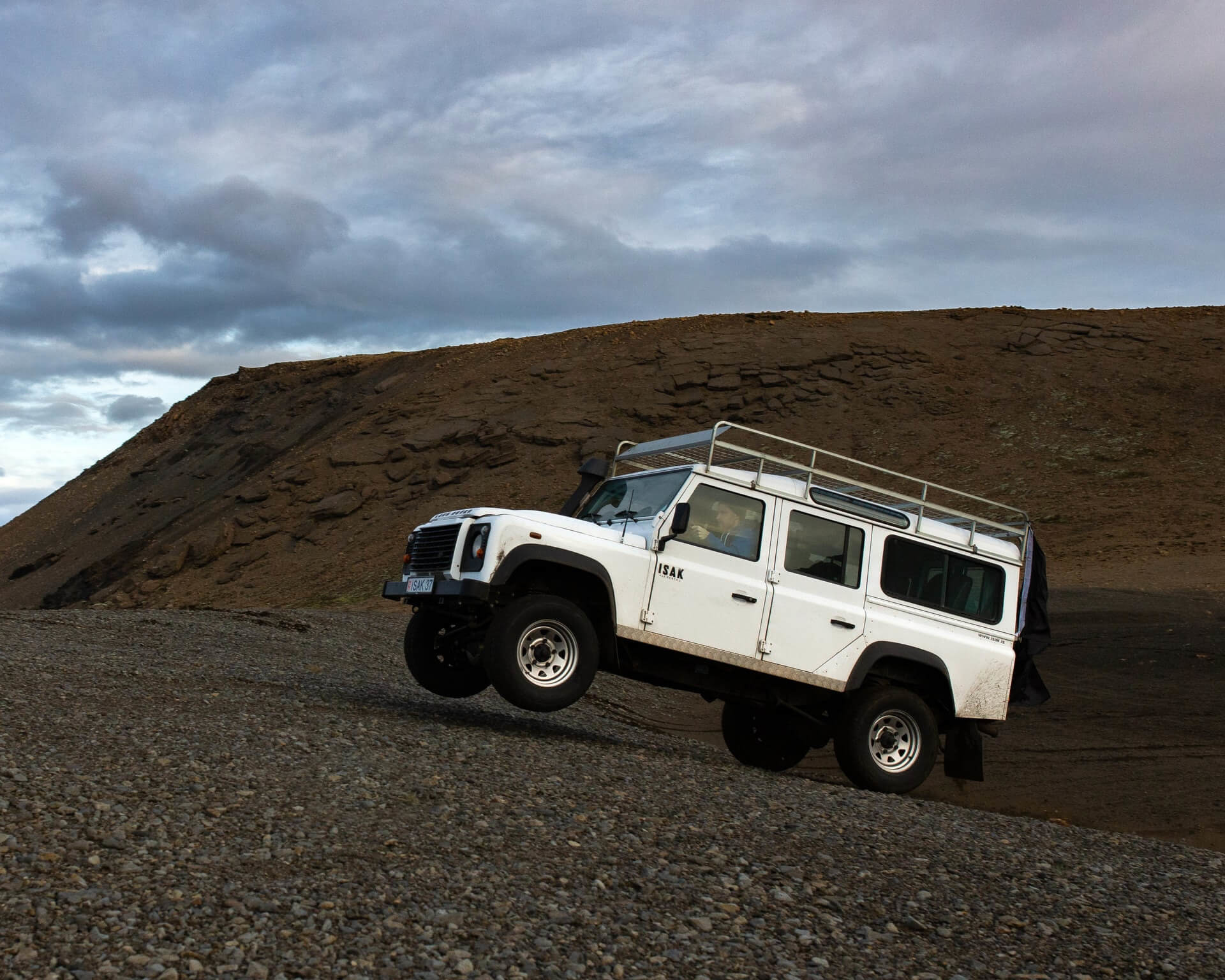
Yes. If your itinerary includes an F-road, you need an appropriate 4WD/4×4 vehicle.
But there’s an important second part to that answer:
Not every 4×4 is appropriate for every F-road.
A smaller 4×4 may be suitable for relatively straightforward Highland routes, while rougher roads can require greater ground clearance and a larger, more capable vehicle.
For example, Lava Car Rental offers different F-road-approved 4×4 options, including larger vehicles such as the Toyota Land Cruiser, Land Rover Defender, and Ford Bronco, alongside other SUV choices.
Choosing the Right 4×4
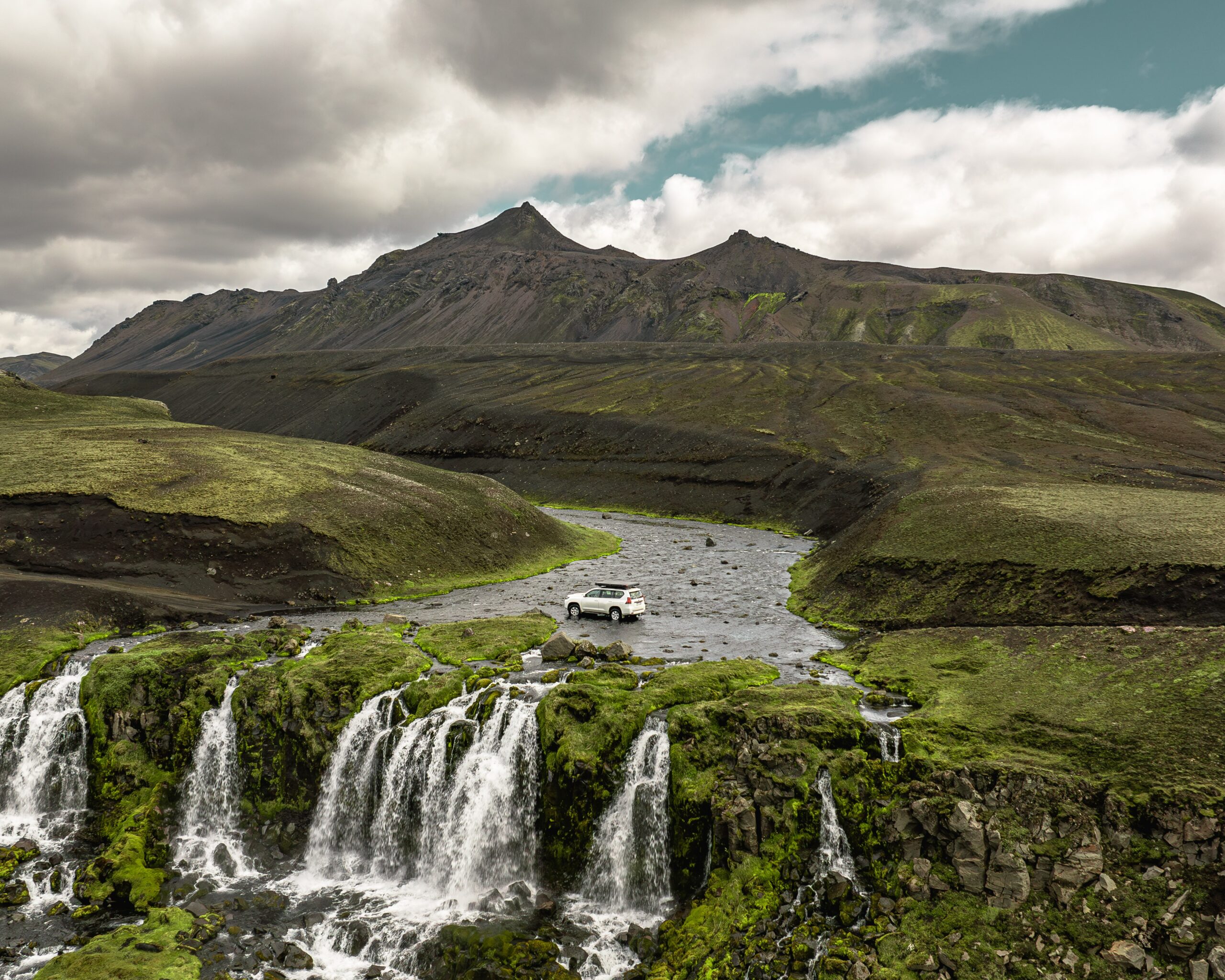
Bigger isn’t automatically better.
If you’re planning a relatively accessible F-road without significant river crossings, you may not need the largest vehicle available.
On the other hand, choosing the smallest 4×4 simply because it technically qualifies can also be a mistake if your planned route requires more capability.
A simple starting point is:
| Your Trip | What to Consider |
|---|---|
| Easier F-road | Suitable standard 4×4 |
| Rough Highland route | More capable 4×4 |
| Family + luggage | Larger SUV/4×4 |
| More demanding terrain | High ground clearance |
| Prohibited rental route | Choose another route |
Always confirm the specific vehicle you’re renting is permitted on the road you intend to drive.
This matters because rental companies can restrict individual roads regardless of whether the vehicle has four-wheel drive.
F-Roads for Beginners
Your first F-road doesn’t need to involve deep rivers or extremely rough terrain.
In fact, choosing an easier route lets you experience the scale and isolation of the Highlands without unnecessarily increasing the difficulty.
F35 – Kjölur
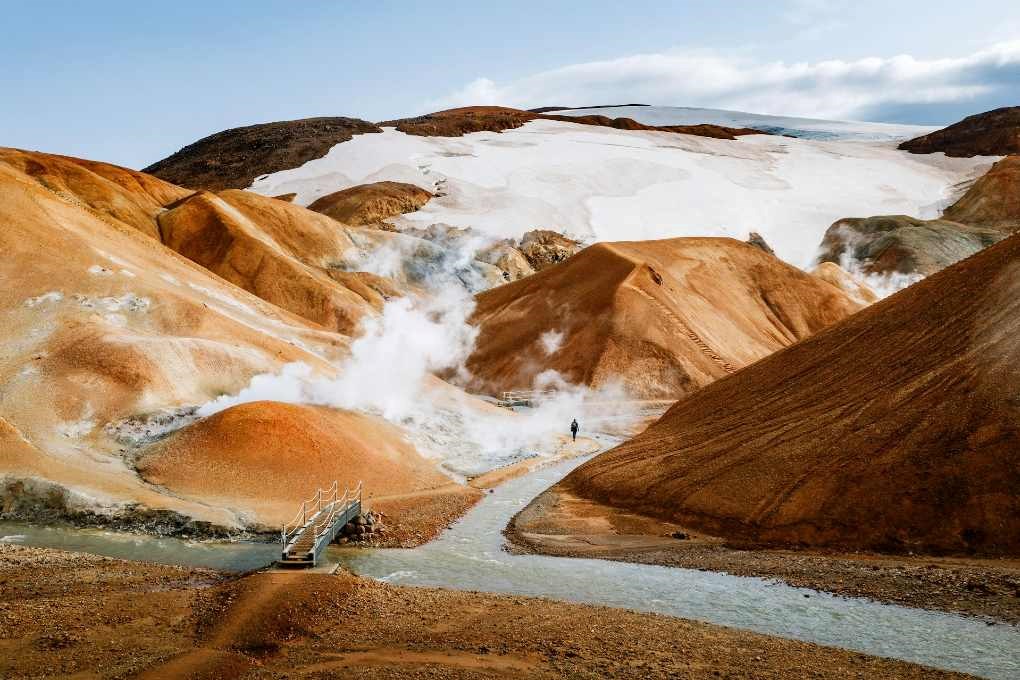
F35/Kjölur is one of the better-known routes through Iceland’s interior and is often considered a more approachable introduction to Highland driving.
It runs between Iceland’s northern and southern regions through a landscape of mountains, geothermal areas, and wide-open terrain.
One important advantage for first-time drivers is the absence of major river crossings along the main route.
You still need a suitable 4×4 and should check current conditions before departure, but F35 can provide the remote Highland experience without deliberately choosing one of Iceland’s most difficult roads.
F550 – Kaldidalur
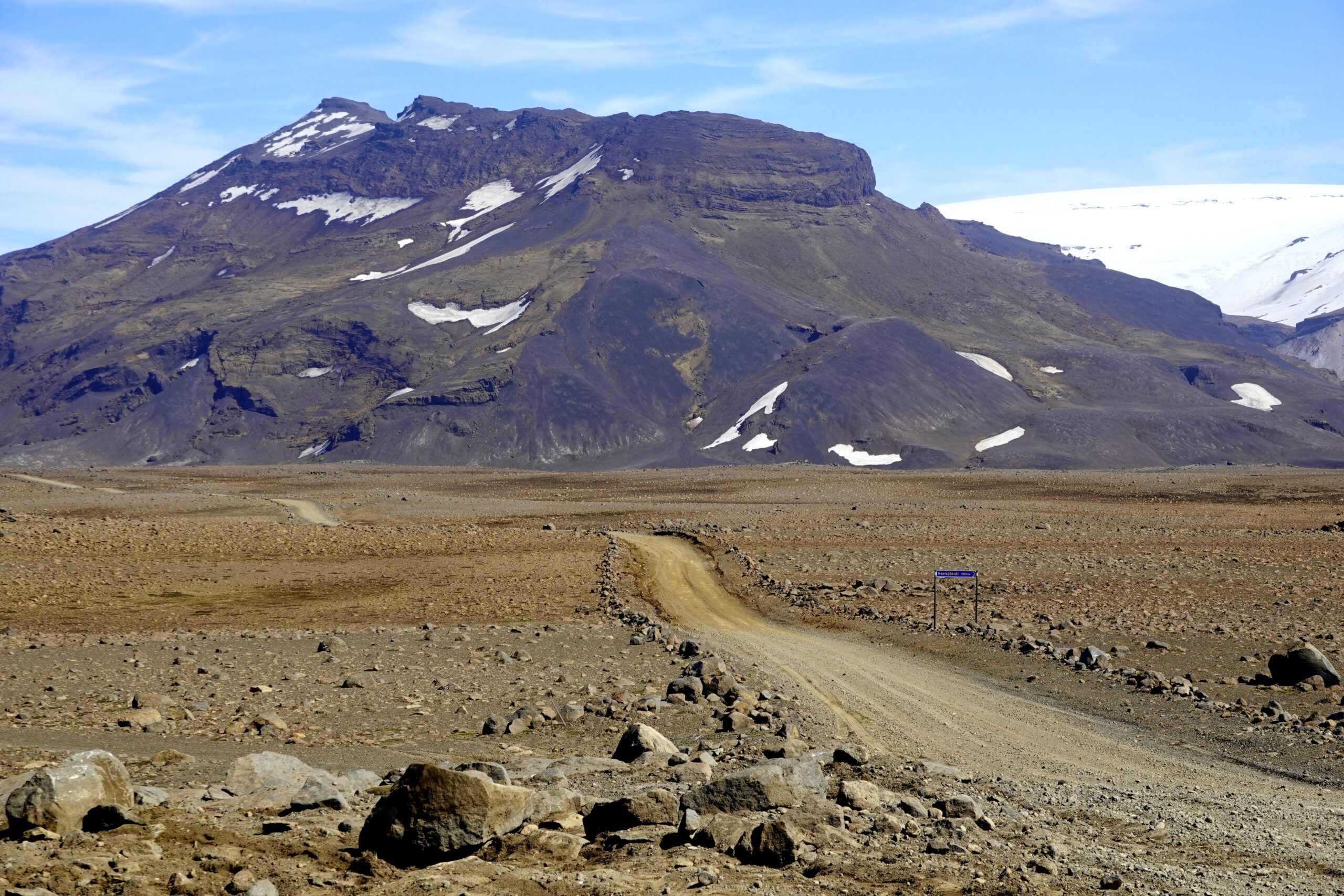
F550/Kaldidalur is another route worth considering if you’re new to F-road driving.
It passes through a stark Highland landscape between glaciers and is relatively accessible compared with more demanding mountain roads.
Like F35, it doesn’t involve the major river crossings that make some other routes considerably more challenging.
That doesn’t make it an ordinary road. Conditions can still be rough and weather can change quickly.
Think of it as more approachable, not effortless.
Landmannalaugar
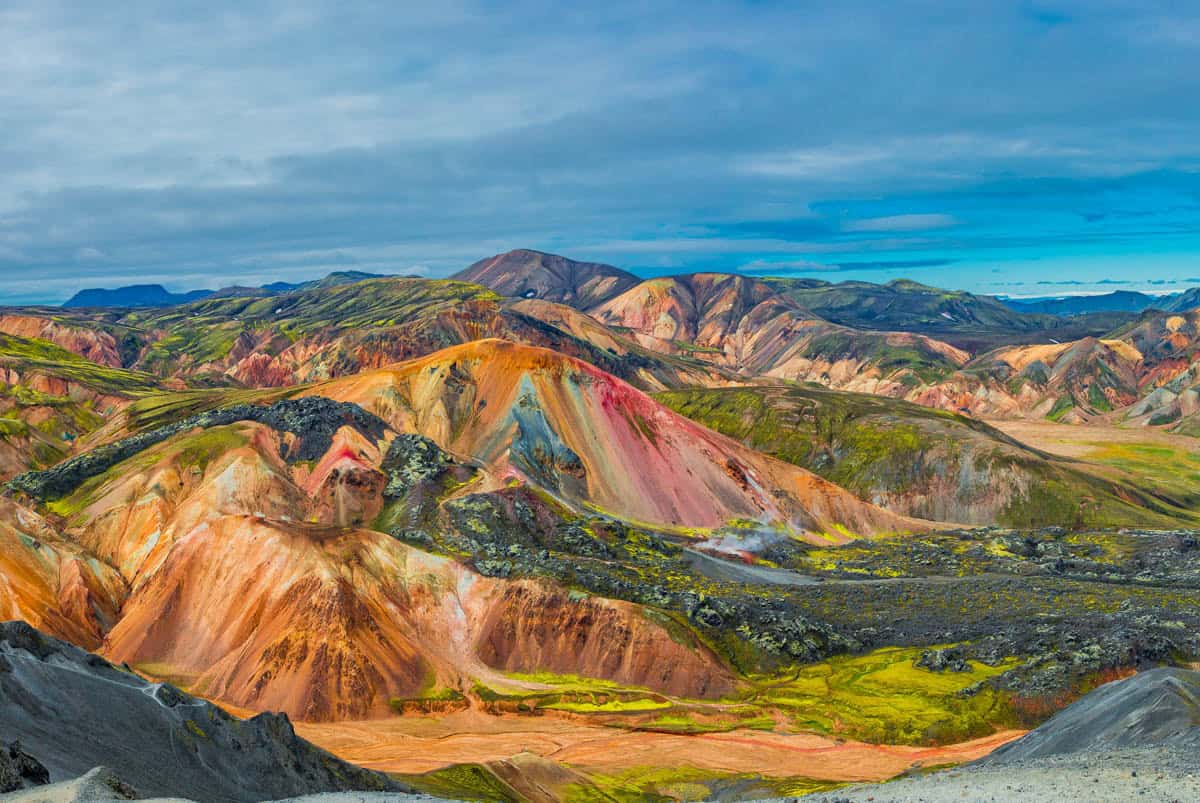
Landmannalaugar is one of Iceland’s most famous Highland destinations, known for colorful rhyolite mountains, lava fields, geothermal landscapes, and hiking.
But getting there illustrates why route selection matters.
Different approaches can have very different driving conditions. Some involve river crossings, while the northern approach can be more manageable depending on current conditions.
So don’t simply enter “Landmannalaugar” into your navigation and follow whichever route appears first.
Research the specific approach, check current conditions, and make sure your rental vehicle is approved for it.
F-Roads to Avoid
Some F-roads are simply not appropriate for an ordinary rental-car adventure.
Lava currently restricts rental vehicles from several particularly difficult Highland roads, including routes such as F249 toward Þórsmörk, F210 around Mýrdalsjökull, F26 through the Highlands, and F910 Öskjuvatnsvegur.
These restrictions are important.
Your rental agreement still determines where the vehicle can legally be taken.
Restrictions can also change. Check the latest rental terms before building your itinerary around a particular road.
If the only route to your intended destination is prohibited, consider changing your itinerary or visiting with an appropriate guided service instead.
River Crossings
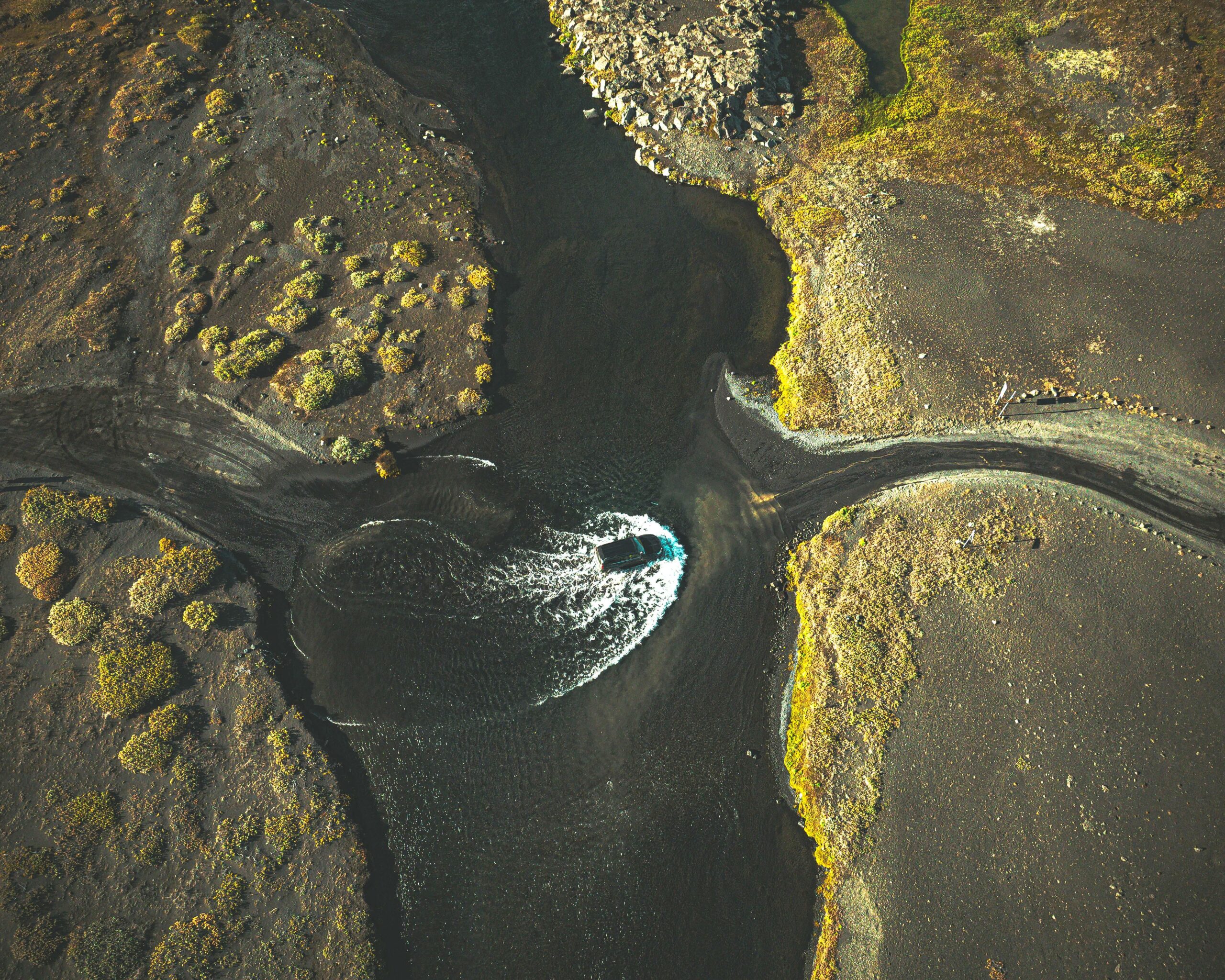
River crossings deserve special attention because this is where the risk level can change dramatically.
Some F-roads cross rivers without bridges. Water depth and current can vary according to rainfall, temperature, snowmelt, and glacial conditions.
For rental travelers, there’s another major issue:
River-crossing damage is generally not covered by rental insurance.
Lava states that river crossings are not permitted and attempts are made at the driver’s own risk.
For first-time F-road drivers, this makes the planning decision fairly simple:
Choose routes that don’t require river crossings.
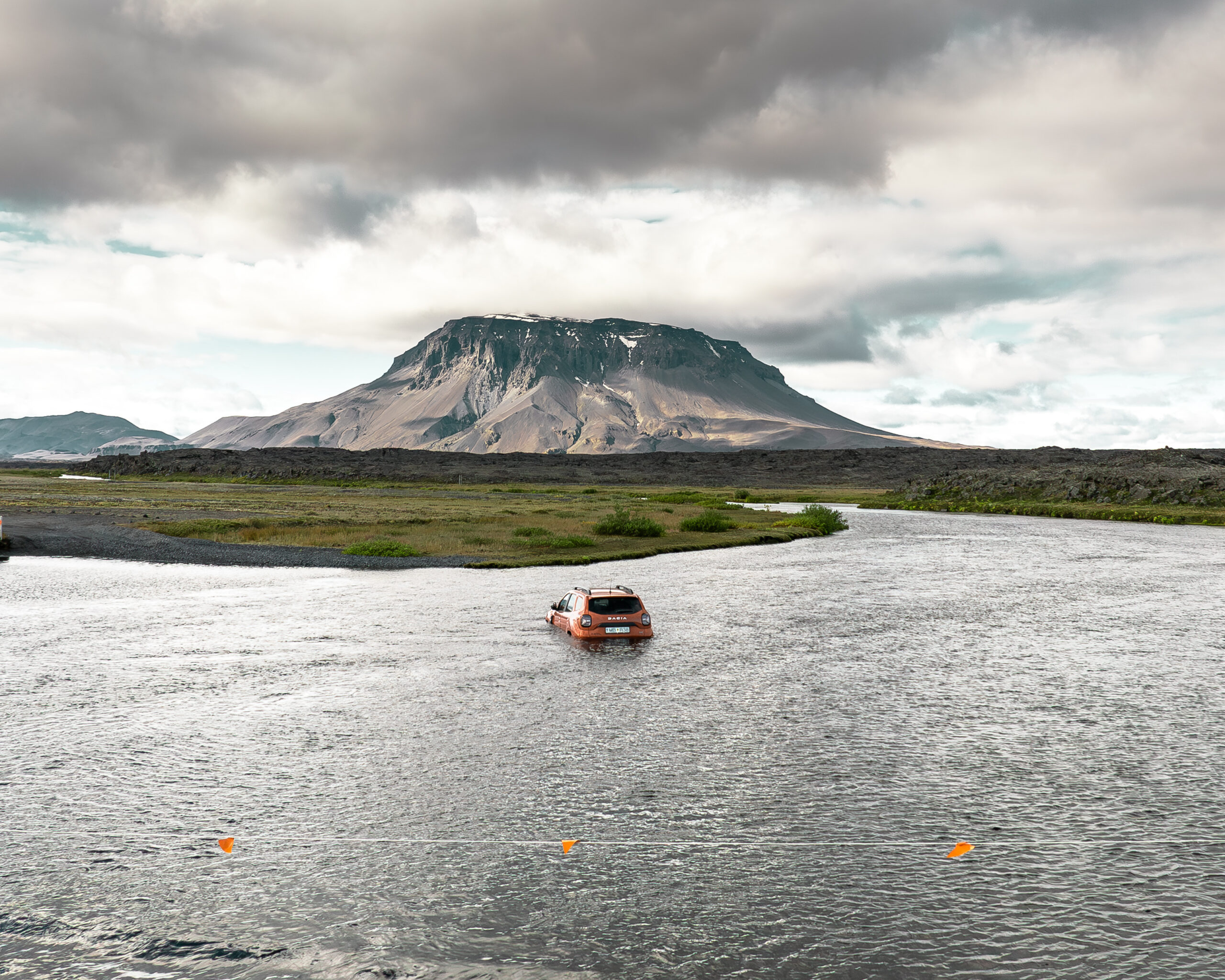
Seeing another vehicle cross isn’t proof that it’s safe for you.
The other vehicle may be larger, have greater ground clearance, or be driven by someone with extensive local experience. Conditions can also change.
If you unexpectedly reach a river and aren’t certain you can proceed safely and within your rental conditions, turn around.
There’s always another Iceland road worth exploring.
When to Turn Around
Knowing when to stop is part of Highland driving.
Turn around or change your route if:
- The road is closed
- Weather deteriorates
- Visibility becomes poor
- You encounter an unexpected river
- Terrain exceeds your experience
- Your vehicle isn’t approved for the route
- Conditions make you uncomfortable
- Continuing would take you too far into remote terrain late in the day
A 4×4 improves traction and capability.
It doesn’t make road closures, storms, water, or difficult terrain disappear.
One of the most useful rules for a first F-road trip is therefore:
Always have Plan B.
Before Entering an F-Road
Once you enter the Highlands, services become much more limited.
A quick pre-drive check can prevent small problems from becoming much larger ones.
Check Road Conditions
Confirm that the road is open and look for current warnings or travel alerts.
Check the Weather
Don’t rely on what the sky looked like when you left Reykjavík.
Check conditions for the area you’ll actually be driving through.
Fill the Tank
Start remote journeys with sufficient fuel rather than planning around finding another station later.
Download Your Maps
Save the route for offline use before entering areas where mobile coverage may become unreliable.
Charge Your Phone
Bring an in-car charger or power bank.
Pack for Delays
Carry water, food, warm clothing, and waterproof layers.
Even in summer, Highland weather can feel very different from conditions closer to the coast.
What Lava Includes
For an Iceland road trip that includes approved F-roads, Lava’s rental inclusions are worth considering alongside the vehicle itself.
Current 4×4 rentals include benefits such as:
- Unlimited mileage
- Super Collision Damage Waiver (SCDW)
- Gravel Protection (GP)
- Theft Protection (TP)
- VAT
Unlimited mileage is particularly useful if the Highlands form only one part of a longer itinerary involving the Ring Road, Golden Circle, or South Coast.
Gravel Protection is also relevant because loose gravel is common once you move beyond Iceland’s main paved roads.
Additional protection options may be available for risks such as sand and ash or tire damage.
However, insurance doesn’t remove the need to follow rental restrictions.
Off-road driving, prohibited roads, and river-crossing damage can remain excluded regardless of the protection package you choose.
Always read the current terms attached to your specific booking.
6 F-Road Mistakes to Avoid
1. Thinking Every 4×4 Can Go Everywhere
Different F-roads require different levels of vehicle capability. Rental-company restrictions also apply.
2. Driving Off-Road
F-roads are designated roads. Driving away from established roads and tracks across Iceland’s landscape is illegal.
3. Following Navigation Blindly
A navigation app can suggest a route without understanding your rental agreement or current road conditions. Official road information should take priority.
4. Assuming Roads Open on a Fixed Date
F-road openings depend on actual conditions. Check before driving rather than planning around a specific calendar date.
5. Seeking Out River Crossings
For a first Highland trip, choose routes that avoid them. You can experience spectacular F-road scenery without crossing rivers.
6. Refusing to Change Plans
Weather and road conditions are part of traveling in Iceland.
If the route no longer looks sensible, use your backup plan.
Iceland F-Road FAQ
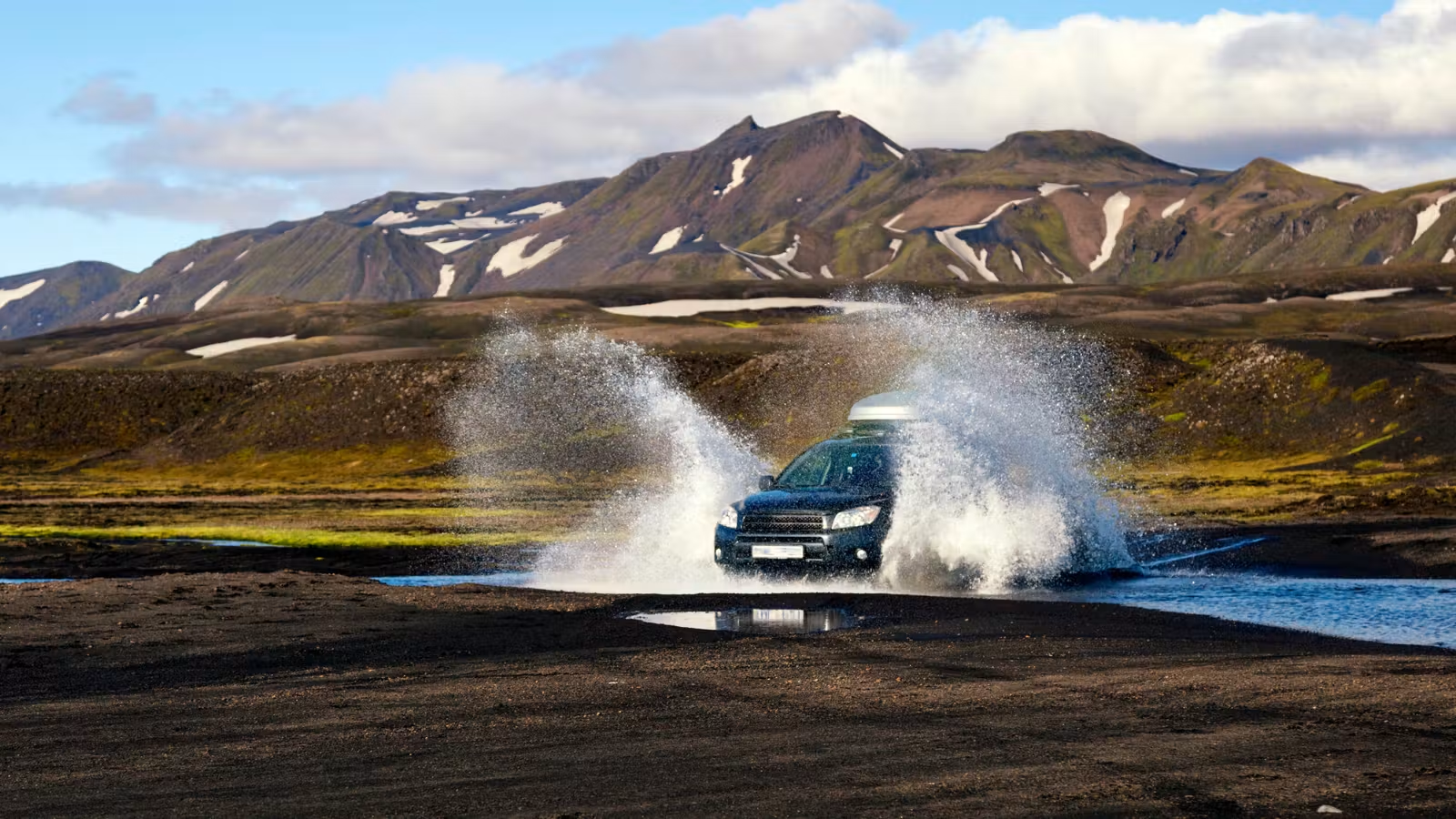
Can you drive F-roads with a normal car?
No. You need an appropriate 4×4 vehicle for Iceland’s F-roads. You should also confirm that your specific rental vehicle is approved for the road you’re planning to drive.
Are all 4x4s suitable for F-roads?
No. Some routes are manageable with smaller 4x4s, while others require more capable vehicles and greater ground clearance. Some roads may be prohibited by the rental company altogether.
Which F-roads are better for beginners?
F35/Kjölur and F550/Kaldidalur are commonly considered more approachable Highland routes because they don’t involve the major river crossings found on more challenging F-roads. Current conditions still need to be checked.
When do F-roads open?
Most F-roads open during summer, but exact dates vary according to snowmelt, weather, and road conditions. There is no single opening date for the entire F-road network.
Can you drive F-roads in winter?
Highland F-roads are generally closed outside their summer operating season. A 4×4 doesn’t give you permission to drive a closed road.
Does insurance cover river crossings?
You shouldn’t assume so. Lava states that river crossings are not permitted and damage resulting from them isn’t covered. Check the latest terms for your individual rental.
Can you drive off-road with a 4×4?
No. Off-road driving is illegal in Iceland. Renting a 4×4 gives you access to appropriate roads, not permission to drive across unrestricted terrain.
Final Thoughts
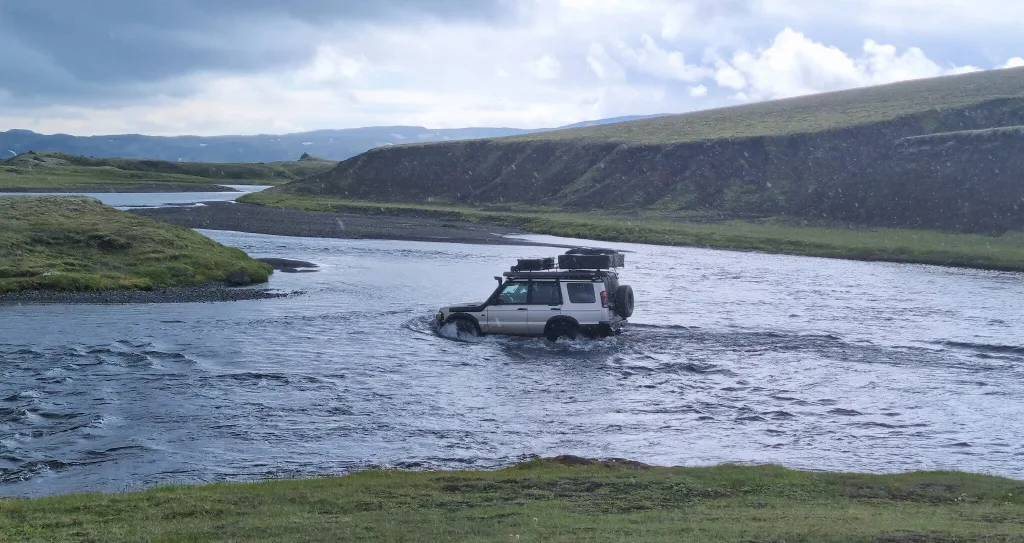
Your first Iceland F-road doesn’t need to be the hardest route on the map.
Start with the experience you actually want.
If you’re looking for remote landscapes and your first taste of Highland driving, an approachable route such as F35 or F550 may make far more sense than choosing a road because it looks dramatic in someone else’s adventure video.
Then work backward:
Choose your route → Check the road → Check the weather → Confirm rental restrictions → Choose your 4×4.
And once you’re driving, remain flexible.
Conditions change. Roads close. Plans evolve. Knowing when to turn around is just as important as knowing where you’re going.
The point isn’t to discover how much punishment your rental vehicle can take.
It’s to leave Iceland’s main highways behind, experience the extraordinary isolation of the Highlands, and make it safely back to the pavement.
Read more: Do you need an International License to Rent a Car? A complete guide for travelers
Ready to Leave the Main Road Behind?
Choose an F-road-ready 4×4 and start planning your journey into Iceland’s Highlands.

Continue exploring
Related field notes

Best Yacht Destinations: Where to Go by Yacht in 2026
If you are searching for Best Yacht Destinations, the right place can turn a simple boat rental into an unforgettable holiday. From…
Read the guide
Best Car Rental Deals: Why DiscoverCars Is a Top Choice for Comparing Rental Cars
Best Car Rental Deals are easier to find when you can compare prices, rental conditions, supplier ratings, and vehicle types in one…
Read the guide
Best Tour Guide 2026: Top Destinations & Tours with Amstar DMC
If you are looking for the Best Tour Guide for a Caribbean or Mexico vacation, Amstar DMC is worth considering for its…
Read the guide