

 Destinatons
 Europe
 Car Rental Guide
 Travel Tips
When people think about traveling to China, one destination almost always comes to mind first – Beijing. As the political, cultural, and historical heart of the nation, Beijing offers a unique journey through thousands of years of civilization while still embracing the energy of a modern мегacity.
This is a place where emperors once ruled from golden palaces, where ancient philosophies shaped society, and where today’s China continues to evolve. Visiting Beijing is not just about sightseeing – it’s about understanding the story of an entire country.
Table of Contents
A City Where History Meets Modern Life
There’s a unique feeling that bubbles up when you’re standing in front of an empty suitcase, isn’t there? It’s a Read more

There are some places in the world that live in our imaginations long before we ever set foot there. For Read more
Have you ever held a book in your hands that felt less like an object and more like a passport? Read more

Close your eyes for a moment and picture this: a cascade of brilliant white buildings tumbling down the edge of Read more
Beijing is a city of powerful contrasts. Walking through its streets, you’ll quickly notice how the past and present exist side by side. On one hand, there are ancient temples, imperial palaces, and quiet alleyways that have remained unchanged for centuries. On the other, you’ll see modern skyscrapers, luxury shopping centers, and high-speed transportation systems.
This balance is what makes Beijing so fascinating. In a single day, you can explore a UNESCO World Heritage Site in the morning and enjoy rooftop dining in a modern district by night.
For many travelers, Beijing is the starting point of a larger journey across China. And while it offers an incredibly rich experience on its own, it’s worth remembering that every major city in China brings something different – from futuristic skylines to ancient trade routes and cultural diversity.
Top Attractions You Shouldn’t Miss
The Forbidden City – The Soul of Imperial China
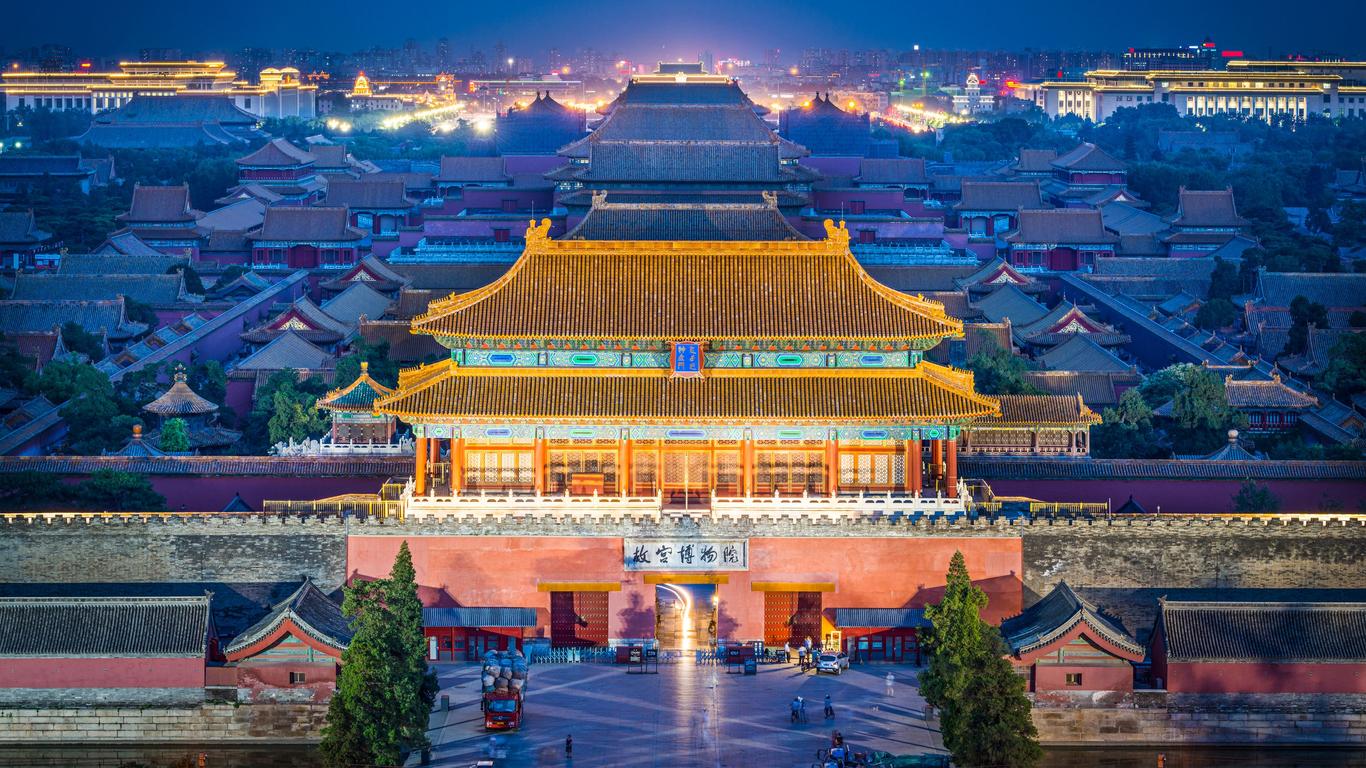
At the center of Beijing lies the magnificent Forbidden City, one of the most important historical sites in the world. Constructed in the early 15th century, this vast palace complex served as the home of emperors during the Ming and Qing dynasties. With nearly 1,000 buildings, intricate carvings, and symbolic architecture, the Forbidden City represents the height of imperial Chinese design and authority. Walking through its gates, visitors can feel the scale and power of China’s imperial past.
The Great Wall – A Symbol of Strength
:max_bytes(150000):strip_icc()/great-wall-china-tourists-GWOC0417-10bddbf0783644c386178f62117b2132.jpg)
Just outside the city, the Great Wall of China stretches across mountains and valleys, offering one of the most iconic travel experiences in the world. Sections like Mutianyu and Badaling are popular for their accessibility and stunning views. Whether you hike along the rugged paths or take in the scenery from a distance, the Great Wall leaves a lasting impression.
Tiananmen Square – The Center of Modern China
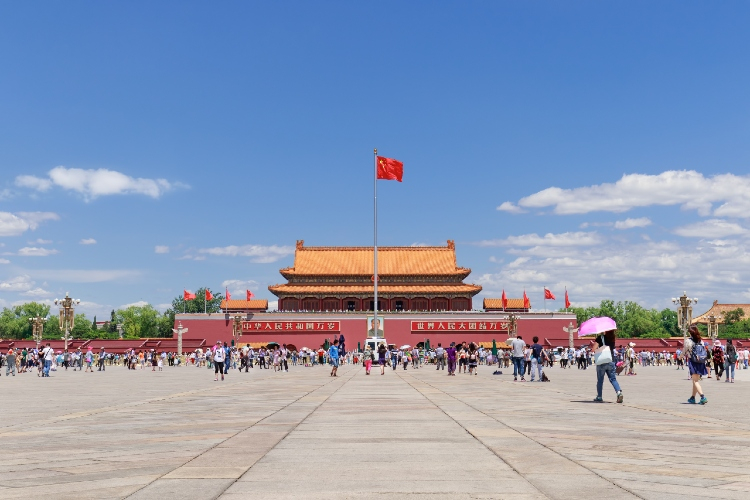
Another essential stop is Tiananmen Square, one of the largest public squares on Earth.
Surrounded by important political and cultural landmarks, it represents modern China and plays a central role in national events. Visiting this area offers insight into both the country’s history and its present identity.
Temple of Heaven – Harmony and Spirituality
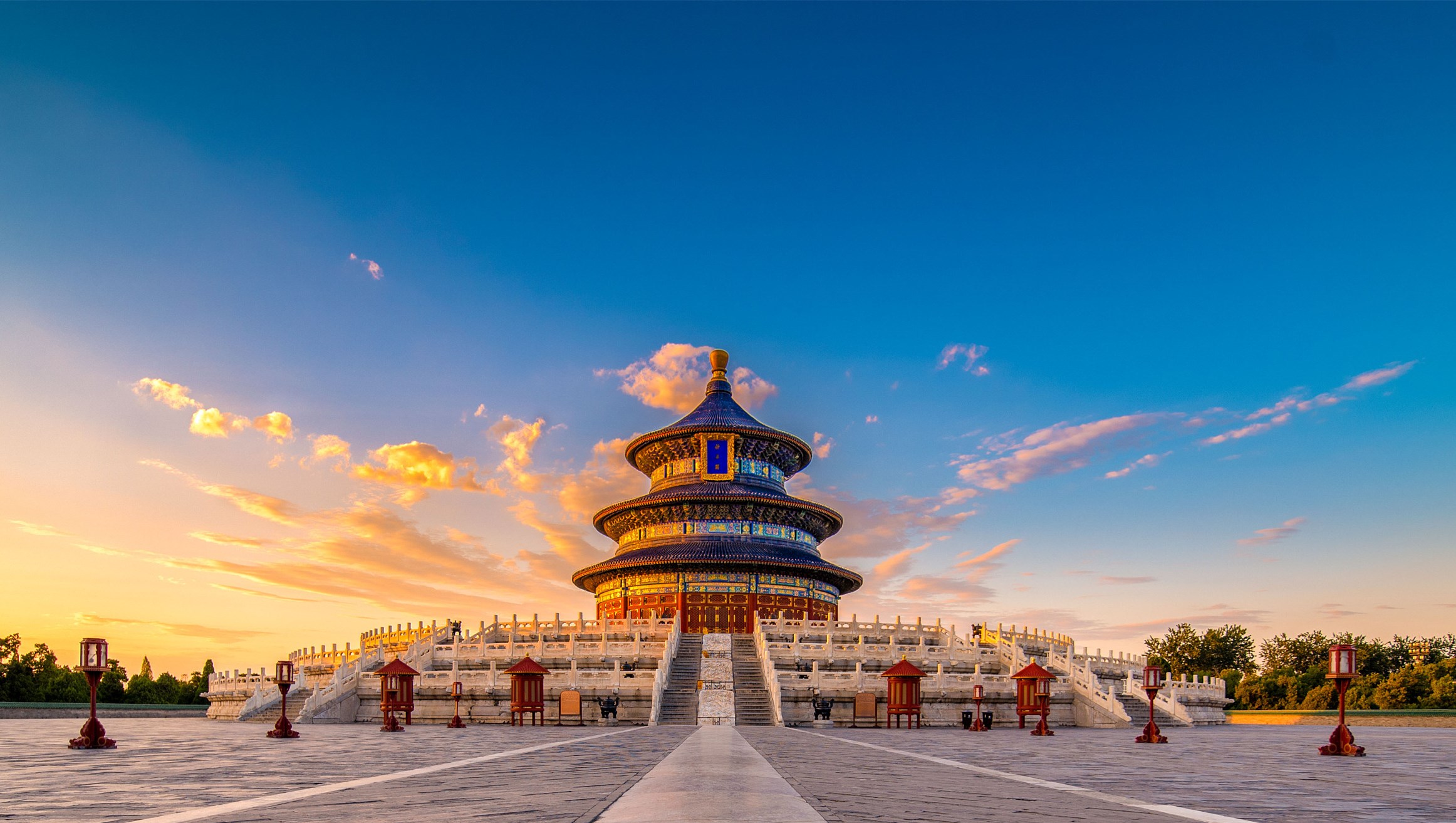
For a quieter and more reflective experience, the Temple of Heaven is a must-visit.
This architectural masterpiece was once used by emperors to pray for good harvests. Today, it serves as a peaceful park where locals gather for tai chi, music, and daily social activities. The symmetry and design reflect deep philosophical beliefs in harmony between heaven and earth.
Hutongs – Discover the Real Beijing
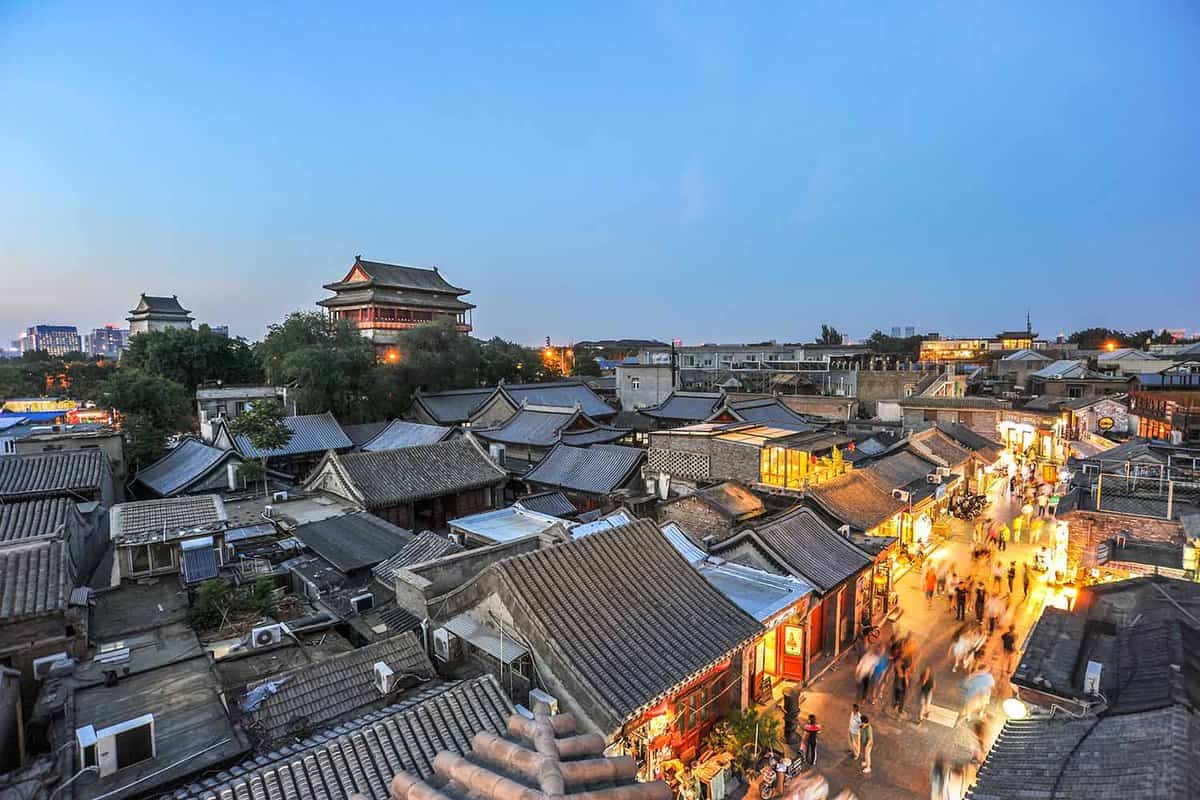
Beyond the grand landmarks, Beijing’s true character can be found in its hutongs – narrow alleyways lined with traditional courtyard homes.
Exploring these areas gives travelers a glimpse into everyday life. Small shops, local eateries, and friendly residents create an atmosphere that feels authentic and welcoming. It’s here that you experience a slower, more personal side of the city.
A Food Scene Rooted in Tradition
Beijing’s culinary scene is just as rich as its history. The most famous dish is Peking duck, known for its crispy skin and carefully prepared presentation. It’s a meal that reflects the elegance of imperial cuisine.
In addition to fine dining, street food is a major part of the local experience. From dumplings and noodles to grilled skewers and sweet snacks, Beijing offers endless flavors to explore.
When Is the Best Time to Visit?
The best seasons to visit Beijing are spring (April to June) and autumn (September to October). During these months, the weather is comfortable, skies are clearer, and the city is at its most beautiful.
Summer tends to be hot and crowded, while winter is cold but offers fewer tourists and a more peaceful atmosphere.
Looking Beyond Beijing
While Beijing is often considered the gateway to China, it is only one part of a much larger and more diverse travel experience. Cities like Shanghai offer a completely different vibe with their futuristic skylines, while Xi’an takes you back to the origins of Chinese civilization. Meanwhile, Chengdu and Hangzhou provide a more relaxed atmosphere with unique cultural and natural attractions.
👉 If you’re planning a broader trip, you can explore more destinations in this detailed guide: Top 5 Cities to Visit in China and Their Most Famous Attractions
Final Thoughts
Beijing is more than just a capital – it is the heart of China’s identity. Every street, monument, and dish tells a story that connects the past with the present.
Whether you are walking through the grand halls of the Forbidden City, standing atop the Great Wall, or simply wandering through a quiet hutong, Beijing leaves a lasting impression.
For anyone looking to truly understand China, there is no better place to begin.
There’s a unique feeling that bubbles up when you’re standing in front of an empty suitcase, isn’t there? It’s a Read more
There are some places in the world that live in our imaginations long before we ever set foot there. For Read more
Have you ever held a book in your hands that felt less like an object and more like a passport? Read more
Close your eyes for a moment and picture this: a cascade of brilliant white buildings tumbling down the edge of Read more