
Northern Lights in Iceland by Car: A Complete Self-Drive Guide
Seeing the Northern Lights in Iceland by car gives you one major advantage: flexibility. Instead of committing to a single viewing location, you can adjust your evening when clouds move in, explore darker areas outside Reykjavík, or simply…
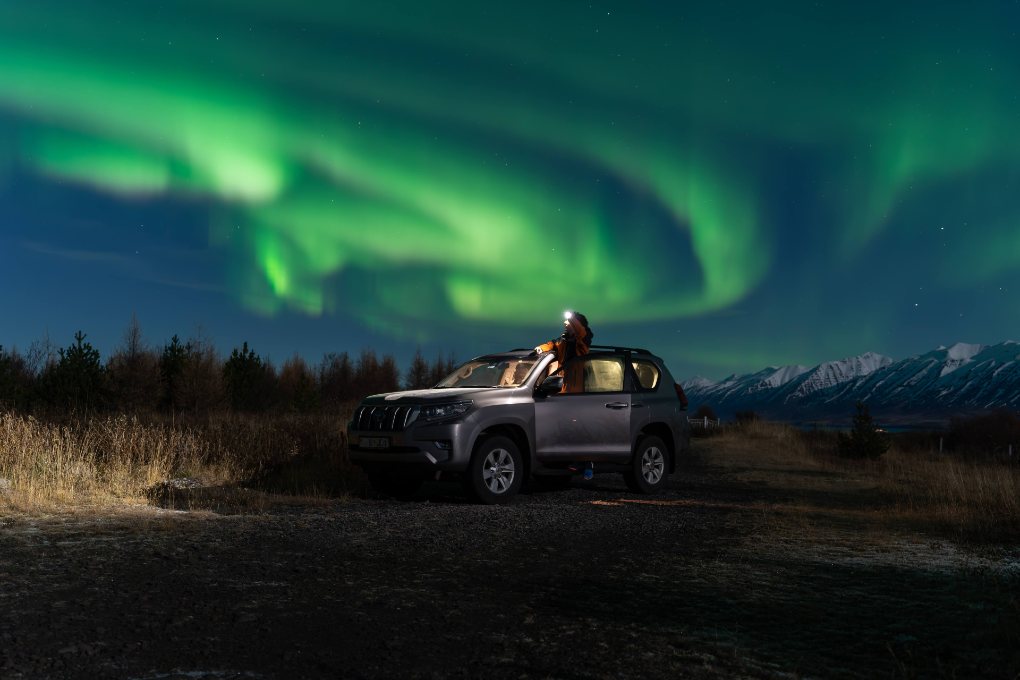
Seeing the Northern Lights in Iceland by car gives you one major advantage: flexibility. Instead of committing to a single viewing location, you can adjust your evening when clouds move in, explore darker areas outside Reykjavík, or simply stay near your accommodation when conditions are already promising.
But having a rental car doesn’t mean you should spend the night chasing every clear patch on the forecast. Iceland’s aurora season overlaps with months when snow, ice, wind, and rapidly changing weather can make driving more challenging.
A good Northern Lights road trip is therefore about finding the right balance between mobility and patience. Plan an Iceland itinerary that’s worthwhile during the day, check the conditions each evening, and use your car when moving genuinely makes sense.
This guide covers when and where to look for the aurora, how to choose a rental car, what to check before driving, and how to build a Northern Lights adventure without making the entire trip depend on seeing them.
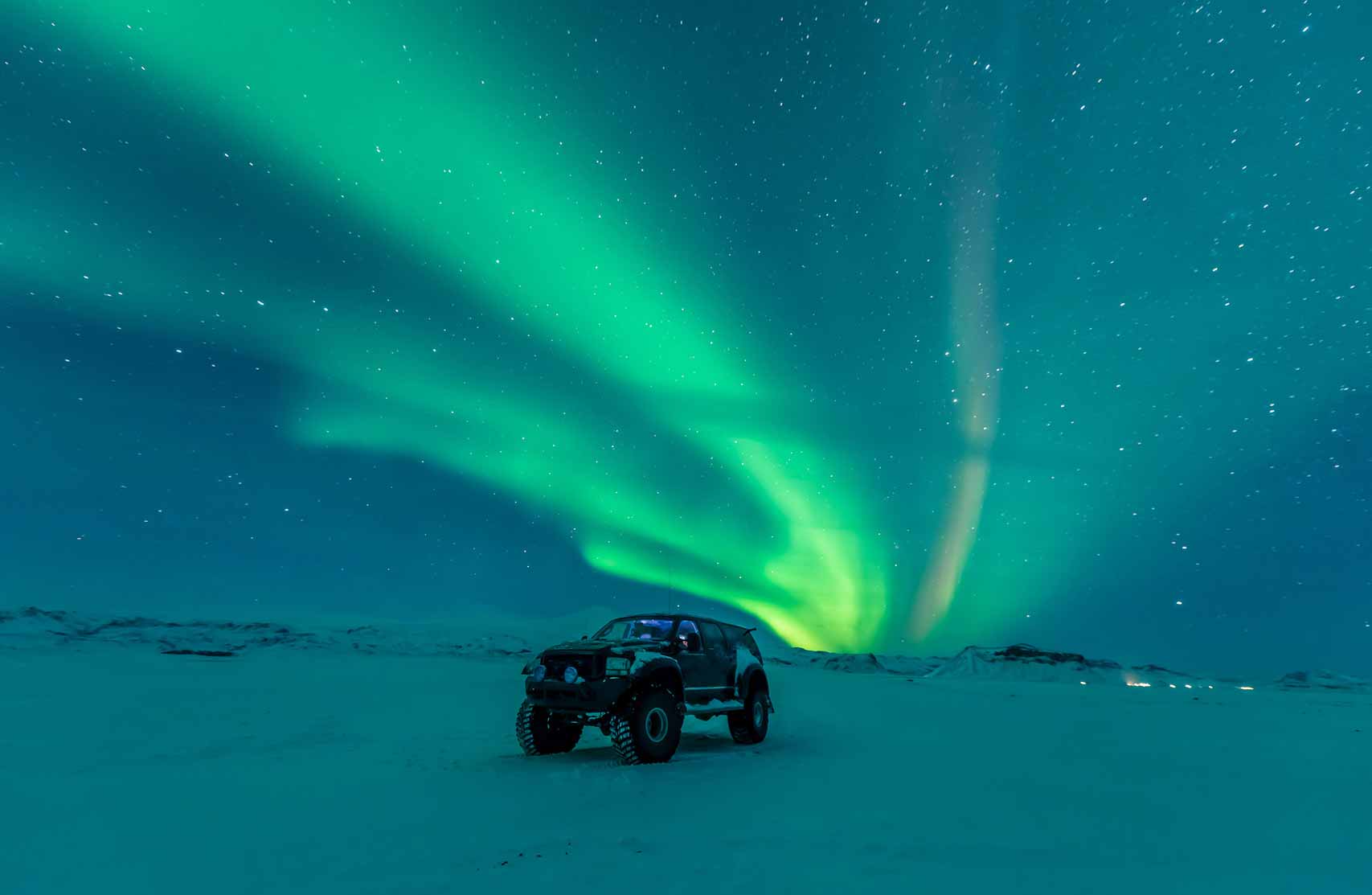
Northern Lights Self-Drive: Quick Planning Guide
Before deciding where to go, remember that four things need to come together: darkness, sufficiently clear skies, aurora activity, and safe conditions for reaching your viewing location.
| Factor | What to Look For |
|---|---|
| Season | Late August into April |
| Sky | Clear or partly clear conditions |
| Location | Dark area with limited artificial lighting |
| Aurora forecast | Use activity forecasts as guidance, not a guarantee |
| Roads | Safe conditions for both the outward and return drive |
| Timing | Dark evening hours; remain flexible |
Don’t focus entirely on the KP index. Iceland sits far enough north that aurora can sometimes be visible even when geomagnetic activity appears relatively modest.
Cloud cover can be just as important. And from a self-drive perspective, weather and road safety should always matter more than a promising aurora forecast.
When Can You See the Northern Lights in Iceland?
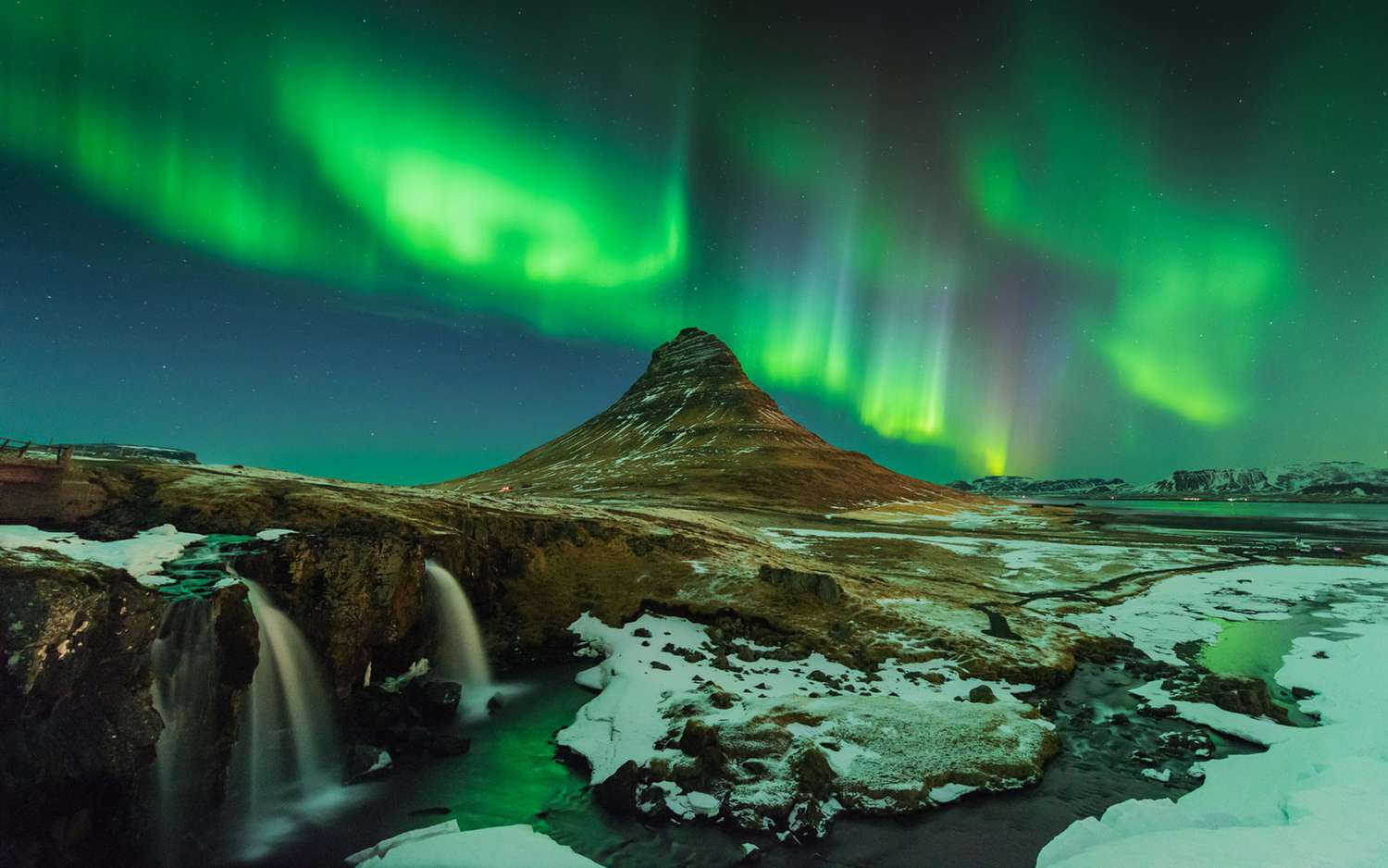
The aurora occurs throughout the year, but you need sufficiently dark skies to see it. In Iceland, practical viewing opportunities generally begin around late August and continue into April.
The season can loosely be divided into three periods.
Late August to October
This can be an attractive period for travelers who want to combine daytime road trips with Northern Lights opportunities.
Dark nights have returned, while relatively generous daylight gives you time to explore Iceland before looking for the aurora in the evening.
November to February
Midwinter brings the longest nights and therefore plenty of darkness.
The trade-off is more demanding travel conditions. Snow, ice, storms, strong winds, and limited daylight can affect where, and whether you should drive.
March to Mid-April
Longer daylight gradually returns while nights can still be dark enough for aurora viewing.
For self-drive travelers, this balance can make early spring particularly interesting: explore during the day, then monitor the sky after sunset.
What Time Should You Look?
The Northern Lights can appear whenever the sky is sufficiently dark and aurora activity is present. The period around 21:00 to 02:00 is often used as a practical viewing window, but don’t treat it like an appointment.
Check conditions throughout the evening and be prepared to wait. Aurora hunting often involves considerably more patience than driving.
Why See the Northern Lights by Car?
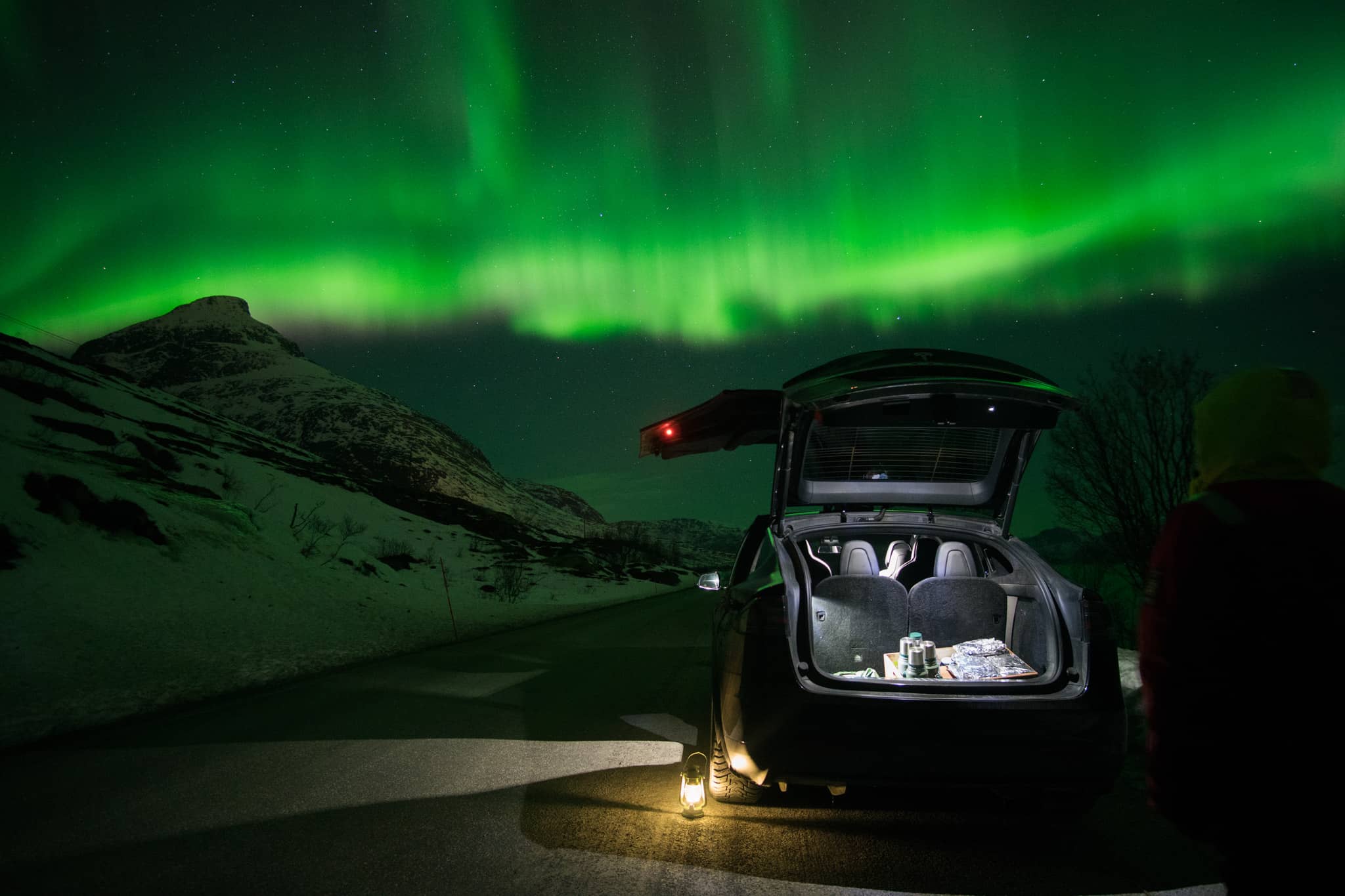
Renting a car won’t increase your chances of solar activity. What it changes is where you can be when conditions become favorable.
Move Toward Clearer Skies
Cloud conditions can differ between areas. If Reykjavík is overcast but a nearby region looks clearer, having your own vehicle gives you the option to change location when road and weather conditions allow.
That doesn’t mean driving hundreds of kilometers whenever the forecast changes. Sometimes a relatively short move is enough.
Escape Artificial Light
Strong aurora displays can be visible from Reykjavík, but darker surroundings generally make viewing easier, especially when activity is weaker.
A car allows you to reach quieter areas without depending on public transportation or a fixed tour route.
Combine Aurora Hunting With Sightseeing
This is arguably the biggest advantage.
Instead of dedicating an entire evening to driving solely for the Northern Lights, combine viewing opportunities with places you’re already visiting.
Golden Circle during the day → check the aurora forecast in the evening.
South Coast road trip → look for clear skies near your accommodation after sunset.
Even if nothing appears, you’ve still had a worthwhile day in Iceland.
Where to Drive for the Northern Lights
Rather than thinking of these as guaranteed “Northern Lights spots,” consider them areas that can fit naturally into a broader Iceland road trip.
Reykjavík Surroundings
If you’re staying in Reykjavík, you don’t necessarily need a long nighttime drive.
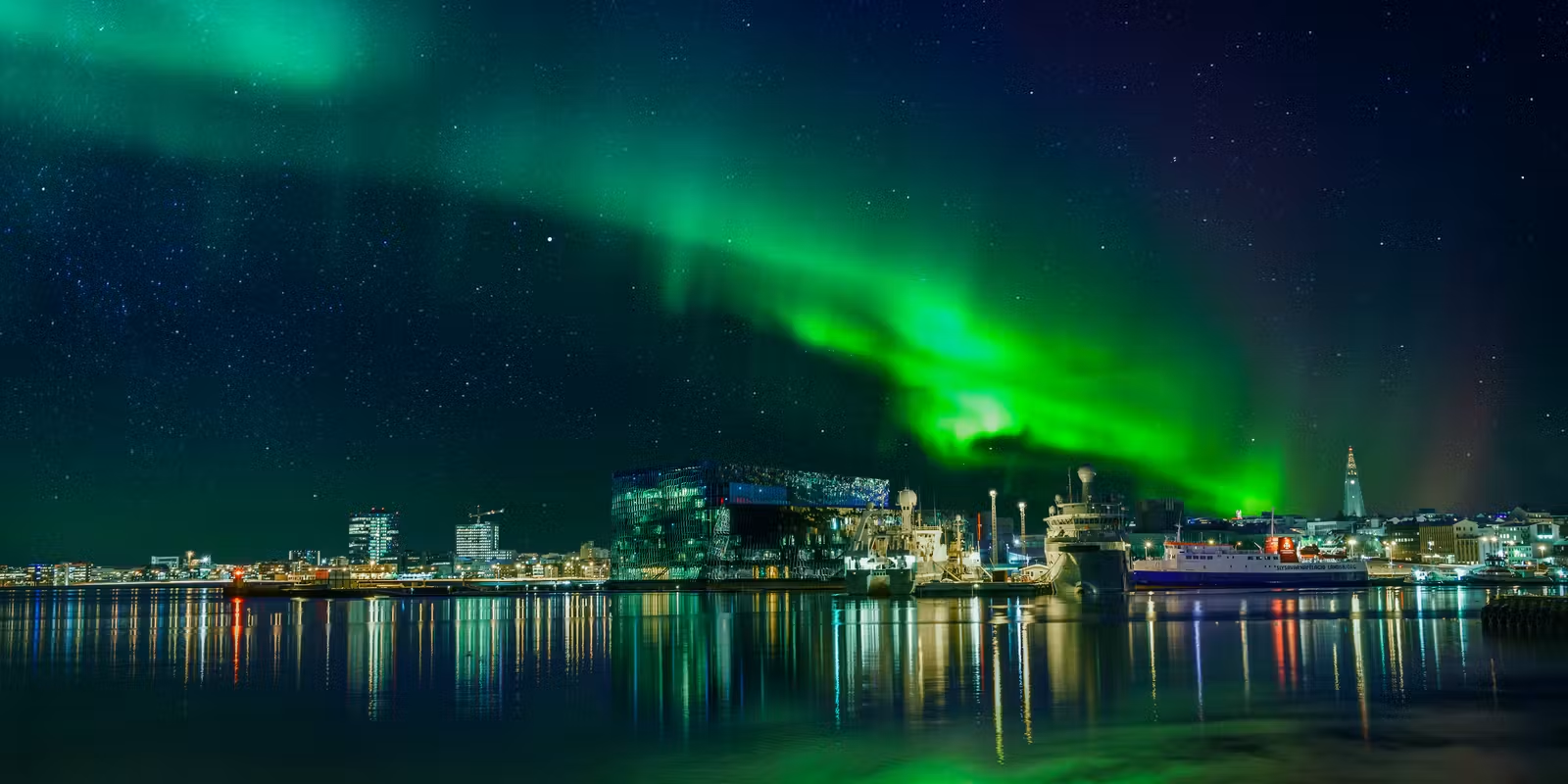
Areas outside the brightest parts of the city can offer darker skies while keeping you close to your accommodation. Grótta Lighthouse is one well-known coastal option near Reykjavík.
This approach can be particularly suitable for travelers who aren’t comfortable making long winter drives after dark.
Þingvellir & the Golden Circle
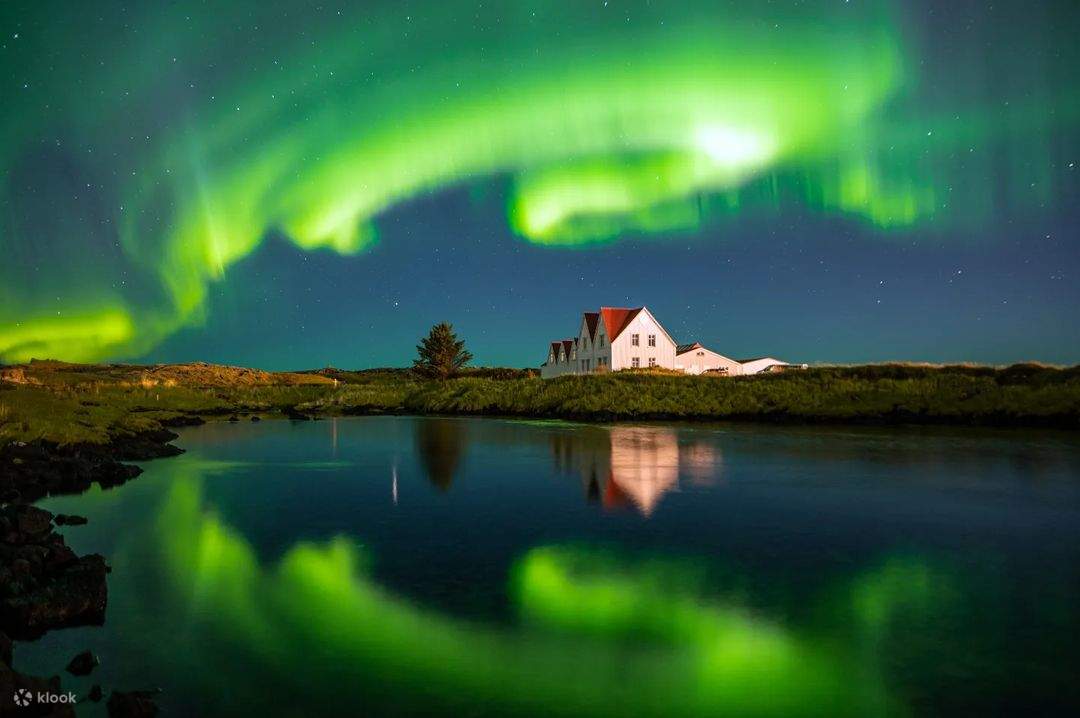
Þingvellir National Park combines wide-open landscapes with relatively limited light pollution and is around 45 minutes from Reykjavík under normal conditions.
More importantly, it fits naturally into a Golden Circle road trip.
Visit Þingvellir, Geysir, Gullfoss, and other stops during daylight, then check the evening conditions before deciding whether to stay in the area longer.
South Coast
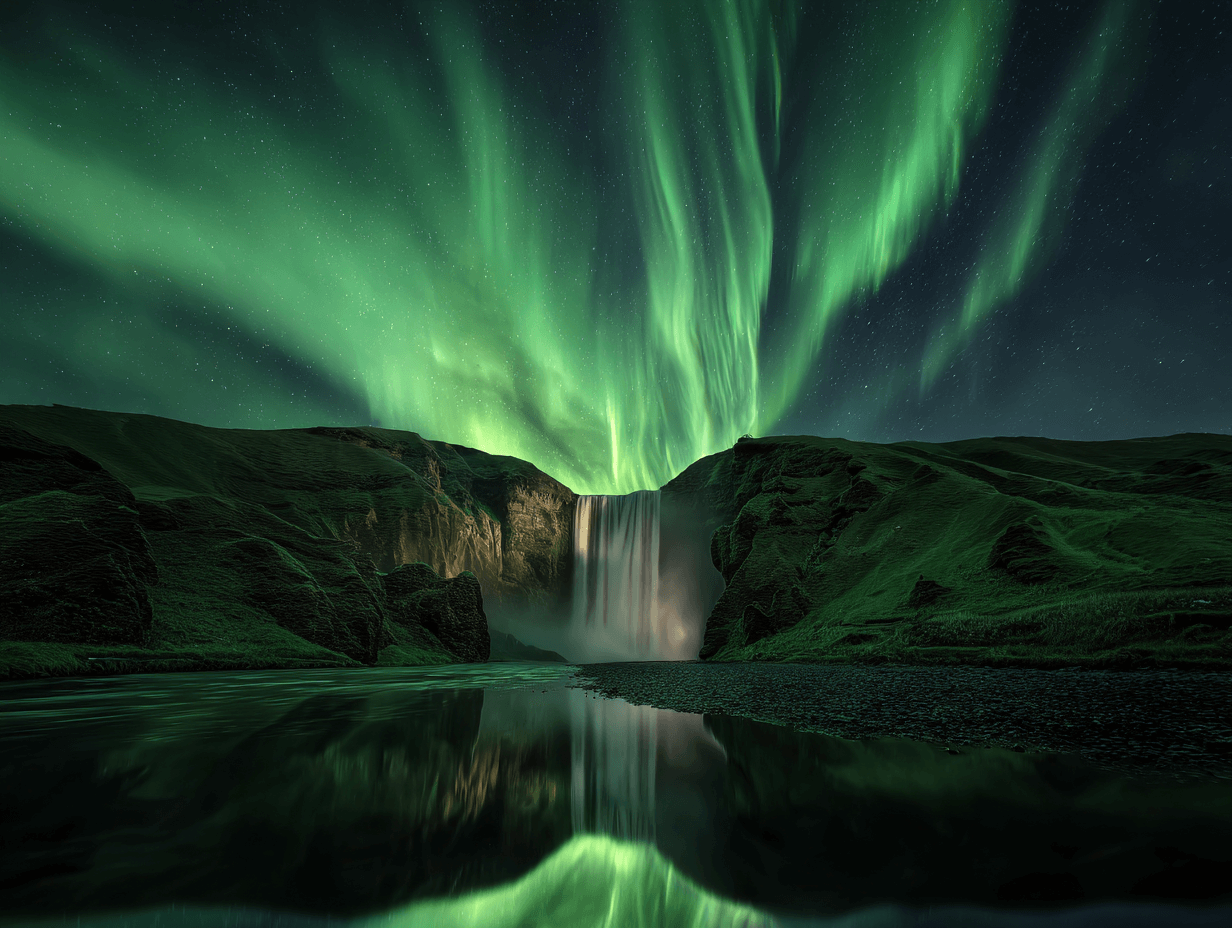
The South Coast offers dramatic foregrounds for aurora photography, including waterfalls, mountains, and volcanic landscapes.
Seljalandsfoss and areas around Vík can be incorporated into a multi-day road trip rather than visited solely for an evening aurora chase.
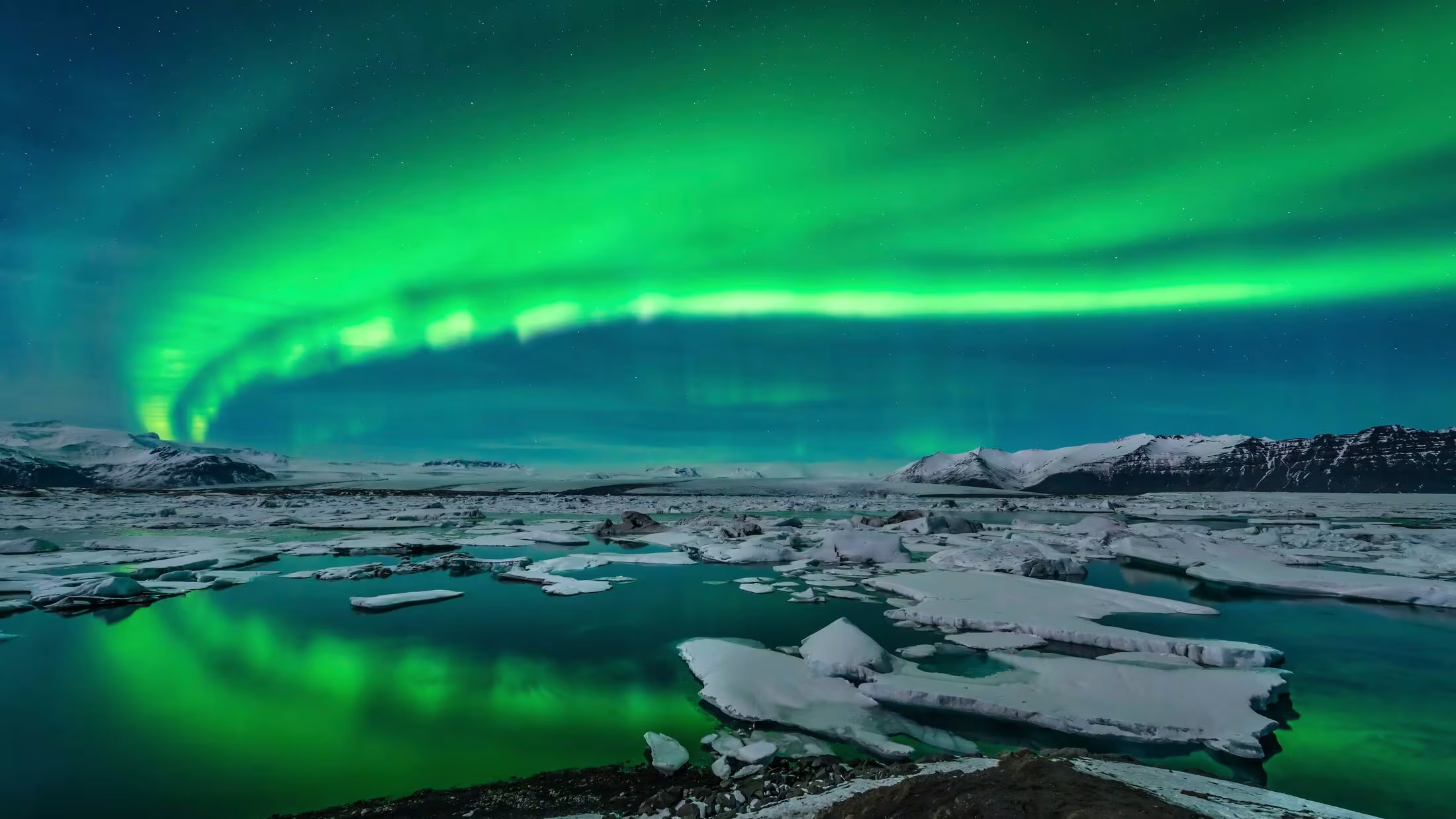
Travelers continuing east may eventually reach Jökulsárlón Glacier Lagoon, where ice and water create an extraordinary setting when the aurora appears.
However, Jökulsárlón should make sense as part of your South Coast itinerary. Don’t drive there from Reykjavík at night simply because a forecast looks favorable.
Snæfellsnes Peninsula
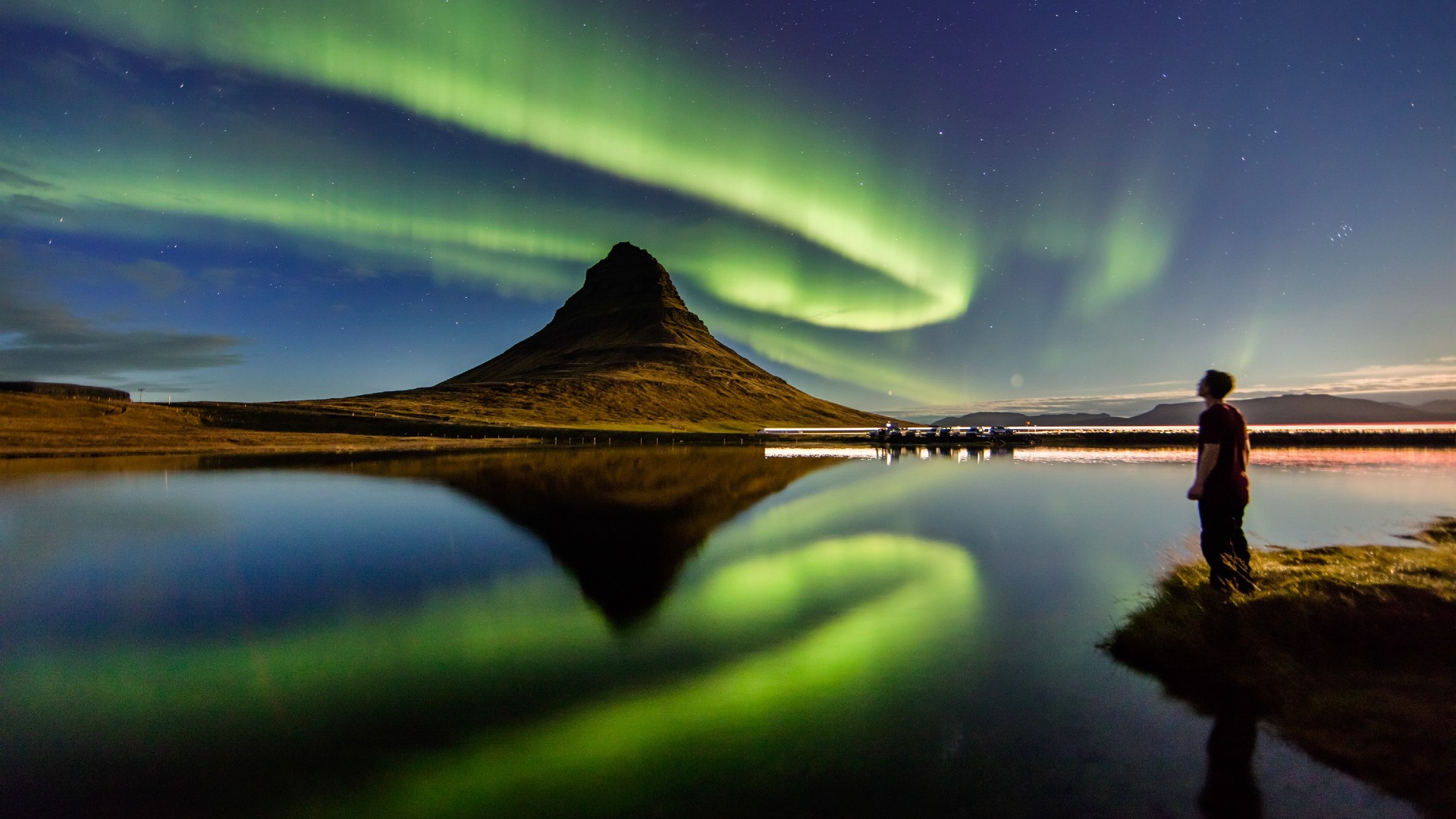
Snæfellsnes offers dark landscapes, coastlines, lava fields, and one of Iceland’s most recognizable mountains: Kirkjufell.
Again, treat it as a road-trip destination first and an aurora location second. Explore the peninsula during the day, stay locally, and check conditions once darkness arrives.
Choosing a Car for Your Northern Lights Road Trip
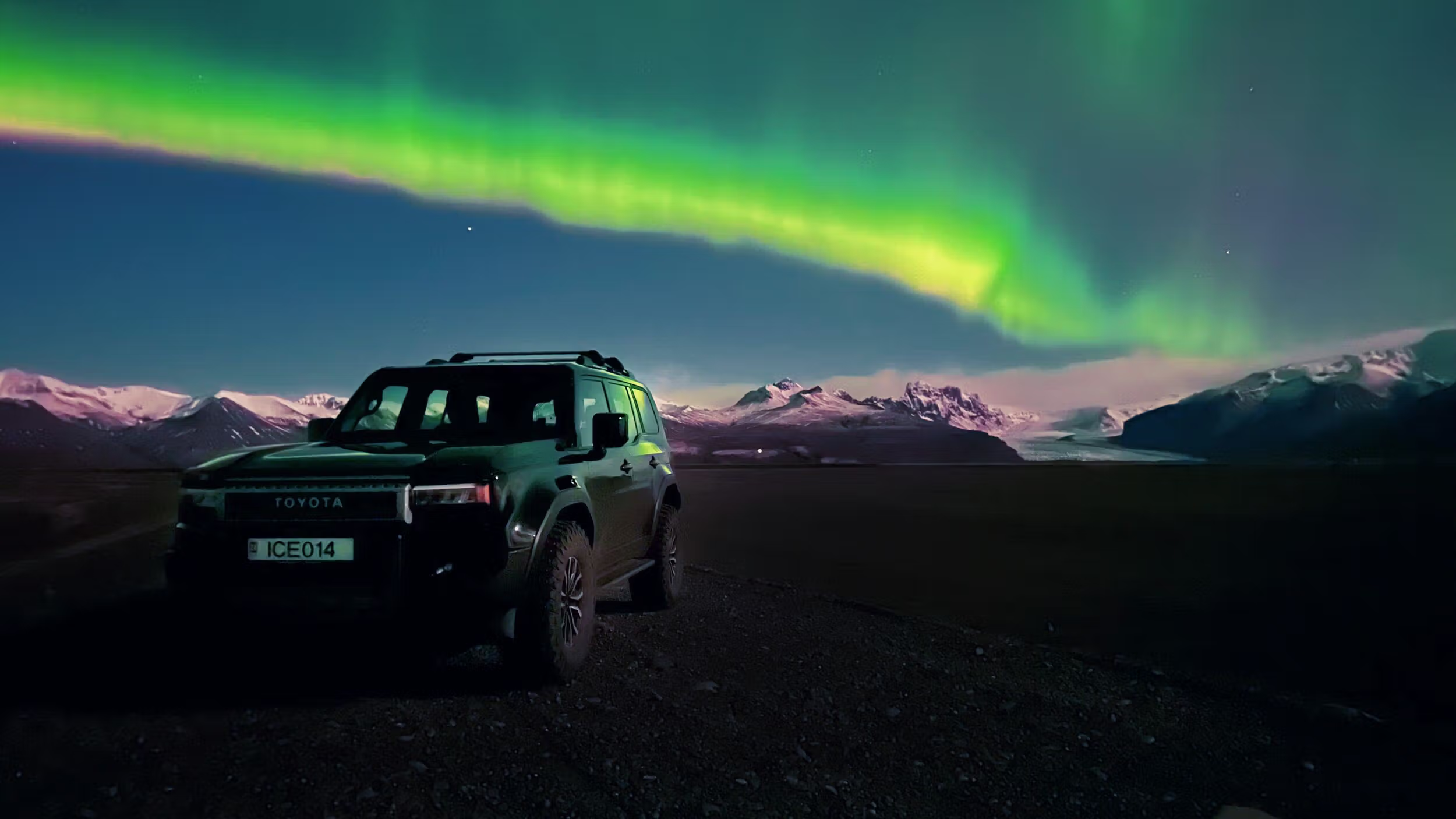
There isn’t a special type of “Northern Lights car.” Your vehicle should match your overall route, season, passenger count, luggage, and expected road conditions.
Blue Car Rental’s fleet includes options ranging from compact cars to SUVs and EVs.
| Travel Style | Category | Examples |
|---|---|---|
| Simpler routes / suitable conditions | Small Car | Toyota Aygo, Kia Rio |
| Longer road trips / extra space | Mid-Sized SUV | MG ZS, Dacia Duster |
| Family or larger group | Large SUV | Nissan X-Trail, Kia Sorento |
| EV road trip | Electric Vehicle | Kia EV3, BYD Dolphin |
A small car may be sufficient for simpler itineraries when road and weather conditions are appropriate. Mid-sized and large SUVs provide additional space for passengers, luggage, warm clothing, and photography equipment.
If you specifically need four-wheel drive, confirm the drivetrain of the individual vehicle rather than assuming every SUV is 4WD.
EVs such as the Kia EV3 and BYD Dolphin are another option, but nighttime aurora trips make charging planning particularly important. Know where your next charging opportunity is before heading toward quieter areas.
Do You Need a 4×4?
Not simply to see the Northern Lights.
A 4×4 can be useful for certain routes and conditions, but it doesn’t make dangerous winter weather safe. Ice, storms, strong winds, poor visibility, and road closures can affect any vehicle.
Choose 4WD based on your whole itinerary, not because the aurora happens after dark.
For more detail on selecting a vehicle, see Blue Car Rental Iceland: How to Choose Your Perfect Rental Experience (2026).
Insurance and Support for the Journey
Blue Car Rental includes several protections with its rentals:
CDW, SCDW, Gravel Protection, Theft Protection, and Third-Party Liability Insurance.
Optional Sand and Ash Protection (SAAP) covers applicable damage associated with sand and volcanic ash, while the Liability Waiver (LW) reduces financial liability to zero under its applicable terms and includes SAAP.
The company also offers 24/7 roadside assistance, alongside a zero-deposit policy, online check-in, and key-box pickup.
Always read the latest insurance conditions and exclusions before booking, particularly if you’re planning a longer winter road trip.
How to Plan a Safe Aurora Evening
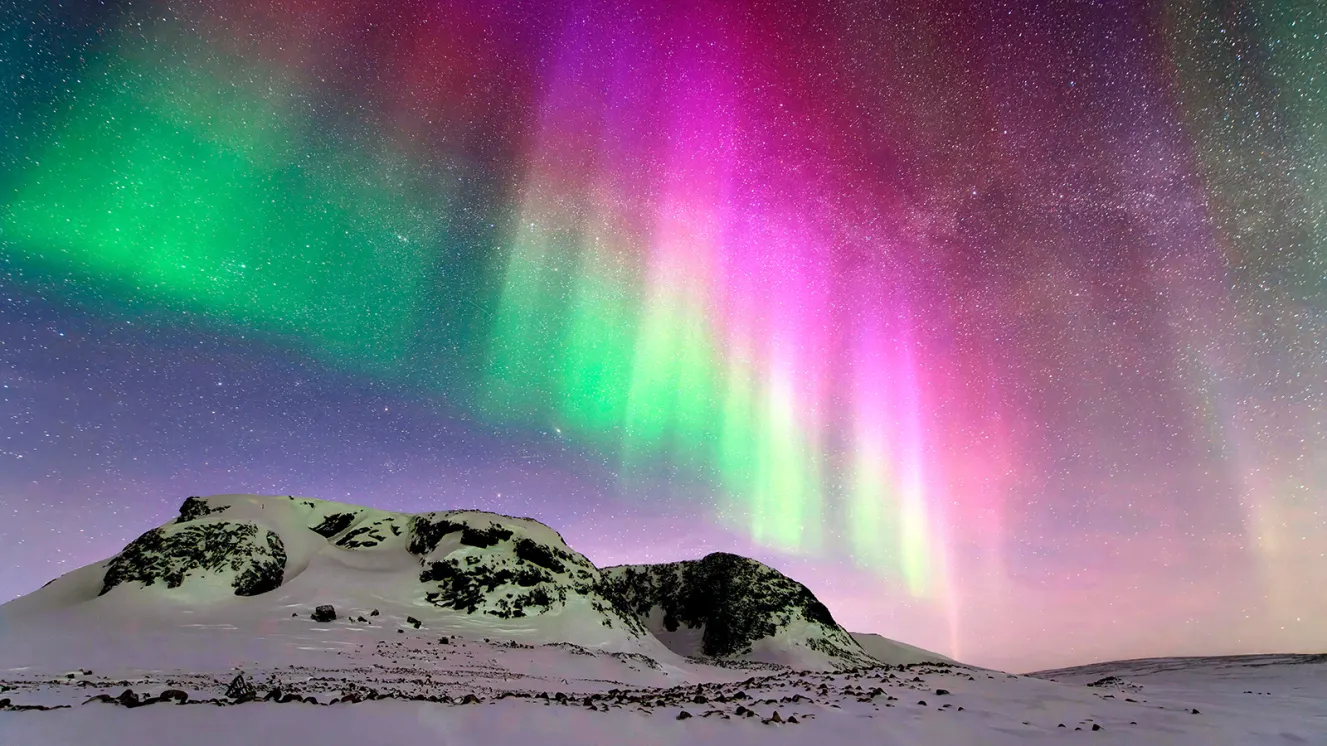
Before leaving your accommodation, check aurora activity, cloud cover, weather, and road conditions separately.
A strong aurora forecast means little if the destination is covered by clouds. Likewise, clear skies aren’t a reason to drive if conditions on the road are unsafe.
Choose one primary viewing location and perhaps one nearby backup rather than planning five locations spread across Iceland.
Once you’re driving, never stop in the traffic lane because the aurora suddenly appears. Continue until you find a designated parking area or another place where you can safely pull completely away from traffic.
And don’t forget the return journey.
A route that was manageable at 8 PM may look very different several hours later if weather deteriorates or fatigue sets in.
What to Keep in the Car
For a longer aurora evening, bring:
- Warm layers and a windproof outer layer
- Hat, gloves, and warm socks
- Water, snacks, or a hot drink
- Phone charger or power bank
- Offline maps
- Flashlight or headlamp
- Tripod and spare camera batteries
Dress for standing outside rather than assuming you’ll remain inside the heated car. Aurora photography and waiting can keep you outdoors much longer than expected.
A useful backup plan isn’t only another viewing location. It’s also knowing when to call it a night.
A Simple Northern Lights Evening
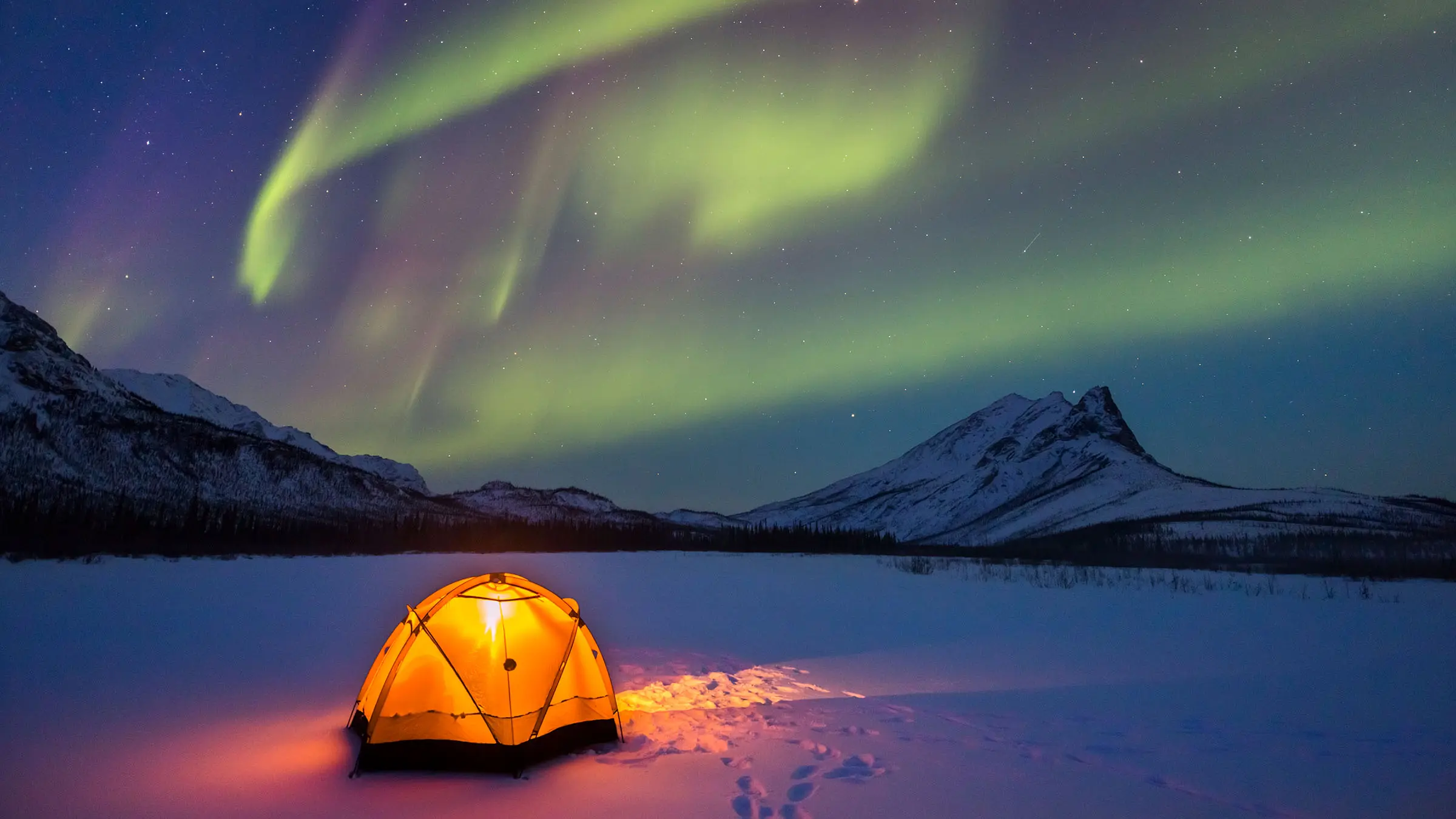
You don’t need to spend the entire night driving.
Afternoon: Check weather, cloud cover, roads, and aurora activity.
Early evening: Choose your primary location and one reasonable backup.
After dark: Drive out while conditions remain safe, park properly, and give your eyes time to adjust.
If nothing happens: Wait if conditions still look promising. Don’t immediately assume another location will be better.
If clouds arrive: Recheck forecasts before moving. A short relocation can make sense; a multi-hour chase often doesn’t.
Before returning: Check weather and road conditions again and consider how tired you are.
Sometimes the successful decision is finding clearer skies.
Sometimes it’s staying where you are.
And sometimes it’s going back to your accommodation and trying again tomorrow.
Make the Road Trip Worthwhile Without the Aurora
No amount of planning guarantees Northern Lights.
That’s why a self-drive itinerary works best when the aurora is an addition to the trip rather than its only purpose.
A Golden Circle day still gives you Þingvellir, geothermal landscapes, and Gullfoss if the night turns cloudy.
A South Coast journey still includes waterfalls, black sand beaches, glaciers, and volcanic scenery.
A Snæfellsnes road trip still gives you mountains, fishing villages, lava fields, and Atlantic coastline.
This approach also reduces the pressure to make unnecessarily long drives whenever an app suggests clearer skies somewhere else.
Self-Drive or Northern Lights Tour?
A rental car isn’t automatically the right choice for every aurora trip.
Self-drive makes sense when you’re already renting a vehicle, feel comfortable with Icelandic conditions, want control over your schedule, and plan to incorporate aurora viewing into a broader road trip.
A guided tour may be more suitable if you don’t want to drive at night, have limited winter-driving experience, or prefer someone else to handle navigation and viewing logistics.
Neither option guarantees Northern Lights.
The better choice is the one that matches your experience and comfort level, not the one that promises the most independence.
FAQ
Can you see the Northern Lights from Reykjavík?
Yes. Strong displays can be visible from Reykjavík, although artificial lighting may reduce visibility. Traveling to darker surroundings can improve the experience, but you don’t necessarily need a long drive.
Do I need a 4×4 for a Northern Lights trip?
Not automatically. Choose your vehicle according to the season, route, weather, and road conditions. Four-wheel drive can help in some conditions but doesn’t make severe winter weather safe.
What is the best month to see the Northern Lights?
There is no guaranteed best month. Practical viewing opportunities generally run from late August into April. Autumn and early spring can offer a useful balance between dark evenings and daytime sightseeing, while midwinter provides longer darkness but potentially more challenging driving.
Can I rely on the aurora forecast?
Use it as a planning tool rather than a promise. Check aurora activity alongside cloud cover, local weather, and road conditions.
What if I don’t see the Northern Lights?
Try again another evening if your itinerary allows. More importantly, plan a trip you’d enjoy even without them. The aurora should enhance your Iceland road trip rather than determine whether the trip was worthwhile.
Final Thoughts
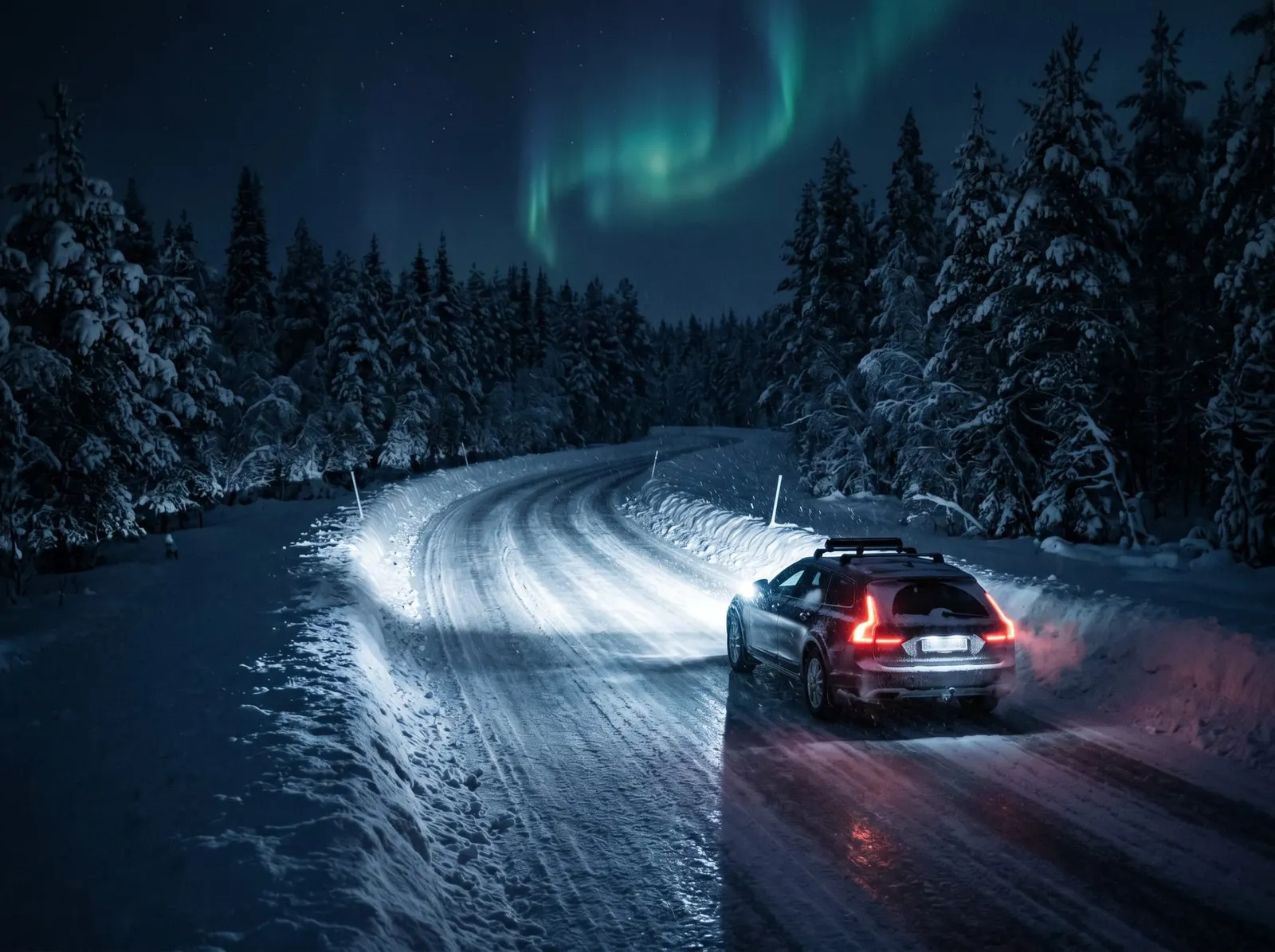
Chasing the Northern Lights in Iceland by car isn’t about driving farther every time the forecast changes. It’s about having the flexibility to make a better decision when conditions allow.
Build your itinerary around places you genuinely want to experience. Check the aurora and cloud forecasts each evening, monitor road and weather conditions, choose safe viewing locations, and be prepared to wait.
If self-driving fits your trip, Blue Car Rental offers small cars, SUVs, and EVs alongside included insurance coverage, 24/7 roadside assistance, online check-in, and locations at Keflavík and Reykjavík. Travelers still comparing providers can also read our Blue Car Rental vs. Lotus Car Rental guide before deciding.
Above all, remember that the Northern Lights are unpredictable.
Plan the road trip first. Let the sky surprise you.

Continue exploring
Related field notes

Best Yacht Destinations: Where to Go by Yacht in 2026
If you are searching for Best Yacht Destinations, the right place can turn a simple boat rental into an unforgettable holiday. From…
Read the guide
Best Car Rental Deals: Why DiscoverCars Is a Top Choice for Comparing Rental Cars
Best Car Rental Deals are easier to find when you can compare prices, rental conditions, supplier ratings, and vehicle types in one…
Read the guide
Best Tour Guide 2026: Top Destinations & Tours with Amstar DMC
If you are looking for the Best Tour Guide for a Caribbean or Mexico vacation, Amstar DMC is worth considering for its…
Read the guide