
A 7-Day Road Trip for First-Time Visitors: Exploring Iceland by Campervan
A 7-day road trip is enough to experience some of Iceland’s most memorable landscapes—if you resist the temptation to see the entire country at once. For first-time visitors, combining the Golden Circle with the South Coast creates a…
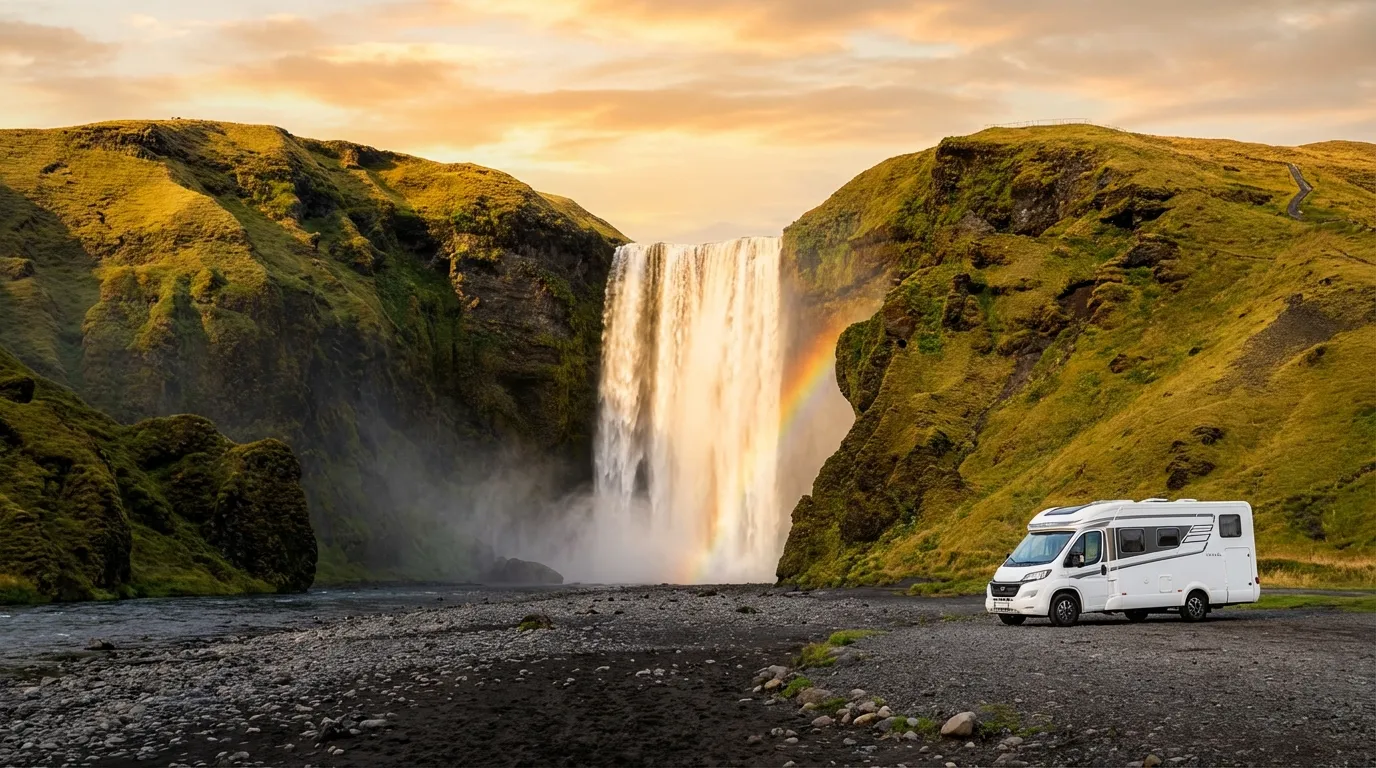
A 7-day road trip is enough to experience some of Iceland’s most memorable landscapes—if you resist the temptation to see the entire country at once. For first-time visitors, combining the Golden Circle with the South Coast creates a manageable journey filled with waterfalls, geothermal landscapes, black-sand beaches, glaciers, and plenty of opportunities to slow down along the way.
And that slower pace is exactly where traveling by campervan makes sense.
Instead of planning every day around hotel check-in times, your camper becomes both transportation and your temporary home on the road. You can cook simple meals, carry your gear with you, and build each day around the weather and the places you actually want to spend time exploring.
For this itinerary, we’re deliberately not attempting the entire Ring Road in seven days. The goal is to see less of Iceland on the map but experience more of it on the ground.
Your 7-Day Iceland Road Trip at a Glance
This route starts around Reykjavík before following the Golden Circle and South Coast toward Jökulsárlón. Instead of rushing onward around the Ring Road, you’ll then gradually return west, leaving Day 6 flexible for weather changes or places you want to revisit.
| Day | Route | Main Experiences | Overnight Area |
|---|---|---|---|
| Day 1 | Keflavík → Reykjavík | Camper pickup, groceries, Reykjavík | Reykjavík area |
| Day 2 | Reykjavík → Golden Circle | Þingvellir, Geysir, Gullfoss | Golden Circle |
| Day 3 | Golden Circle → Vík | Seljalandsfoss, Skógafoss, Dyrhólaey | Vík |
| Day 4 | Vík → Skaftafell | Reynisfjara, Fjaðrárgljúfur, Skaftafell | Skaftafell area |
| Day 5 | Skaftafell → Jökulsárlón | Glacier Lagoon, Diamond Beach | Southeast Iceland |
| Day 6 | Southeast → South Coast | Flexible stops and slow return | South Coast |
| Day 7 | South Coast → Reykjavík / KEF | Final stops and camper return | — |
The route gives you a little breathing room. That’s important in Iceland, where weather conditions can quickly turn today’s carefully planned schedule into tomorrow’s itinerary.
Why Explore Iceland by Campervan?
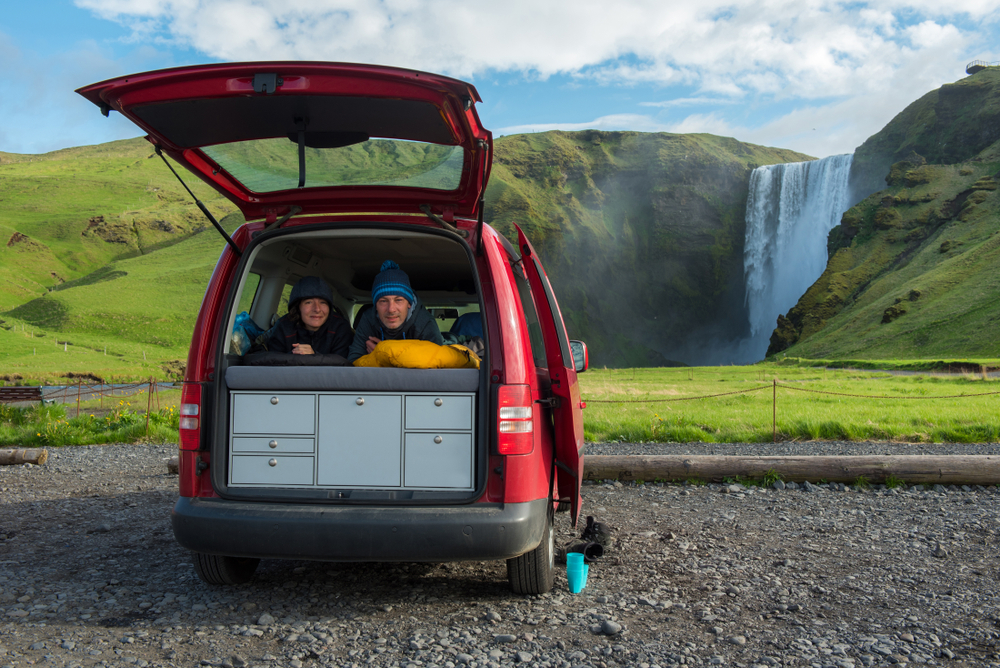
A campervan changes the rhythm of a road trip.
With a conventional rental car, each day often revolves around getting from one accommodation booking to the next. With a camper, you have your sleeping space, basic travel gear, and often cooking facilities traveling with you.
That can be particularly useful in Iceland, where a waterfall you expected to visit for 20 minutes can easily become a two-hour stop.
The main advantages are simple:
- More flexibility between destinations
- Transportation and sleeping space combined
- Ability to prepare some of your own meals
- Easier access to gear throughout the day
- A travel style that makes the drive itself part of the experience
However, campervan travel doesn’t mean you can simply pull over anywhere and sleep. Iceland has rules governing overnight camping, so plan to use appropriate campsites and always respect local restrictions.
The camper gives you route flexibility—not unlimited camping freedom.
Day 1 — Pick Up Your Camper and Start Slowly
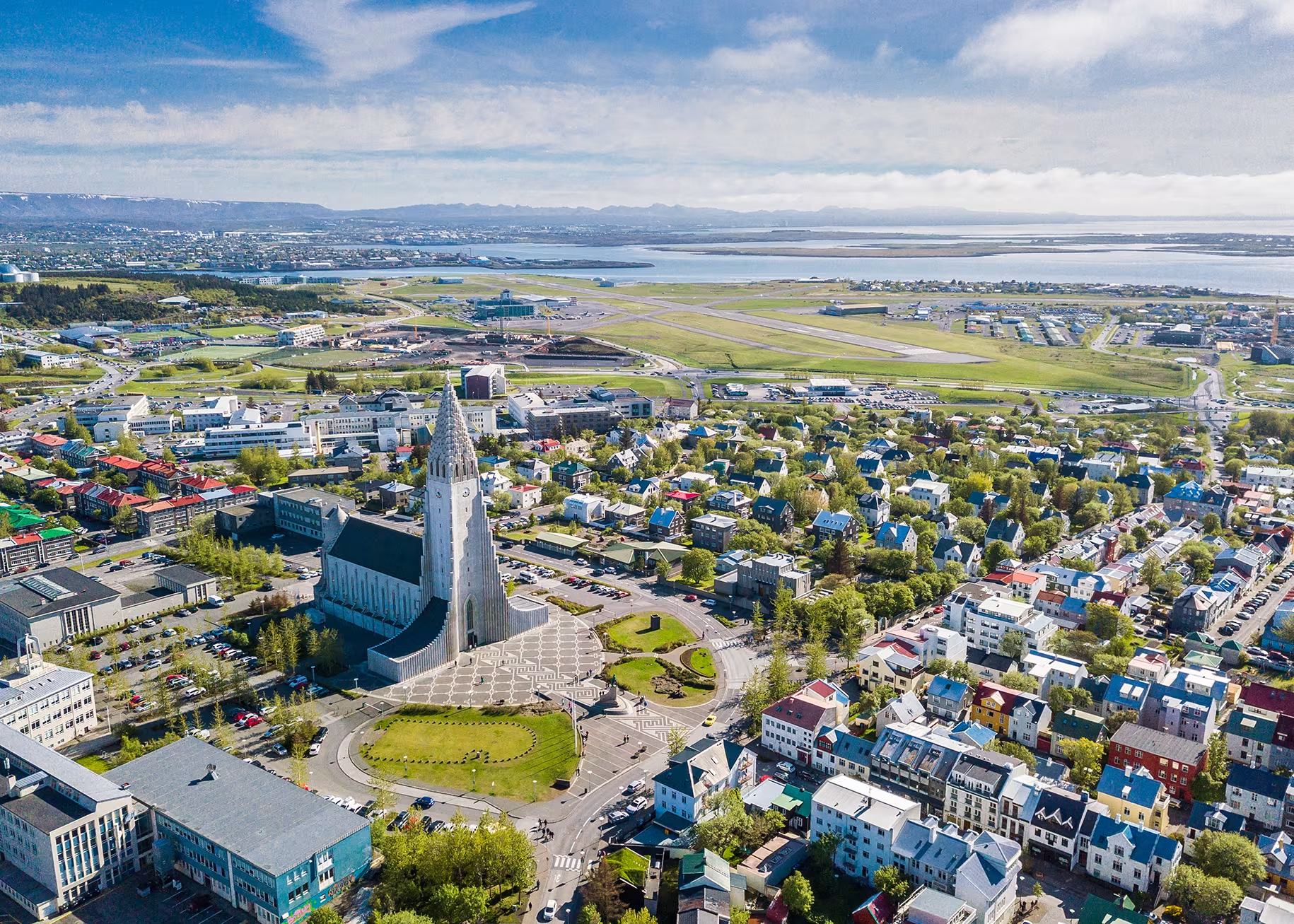
Route: Keflavík → Reykjavík
Your first day doesn’t need to be ambitious.
After arriving at Keflavík International Airport and picking up your campervan, use the day to get comfortable with the vehicle before beginning the longer sections of your road trip.
If you’re renting from Go Campers, this is also the time to make sure you understand how everything in your specific camper works before leaving the pickup location.
Ask about anything that isn’t obvious.
Don’t drive away until you know:
- How to convert the sleeping area
- How the heating system works
- Where cooking equipment is stored
- What fuel the camper uses
- What’s included with your rental
- How to contact assistance if something goes wrong
Then head toward Reykjavík.
Stock the camper before the road trip begins
A supermarket stop on Day 1 will make the next few days much easier.
You don’t need to buy a week’s worth of elaborate meals. Think in terms of simple campervan food: breakfast ingredients, sandwiches, pasta, snacks, fruit, coffee, and something warm that’s easy to prepare after a long day outside.
Keep some food that doesn’t require cooking as well. If the weather turns unpleasant, you’ll appreciate not having to prepare every meal outside or reorganize the camper.
Use the rest of the day to explore Reykjavík at a relaxed pace, then stay at an appropriate campsite in or around the city.
Camper tip: Don’t make your first experience driving an unfamiliar vehicle a long nighttime journey immediately after an international flight.
Day 2 — Reykjavík to the Golden Circle
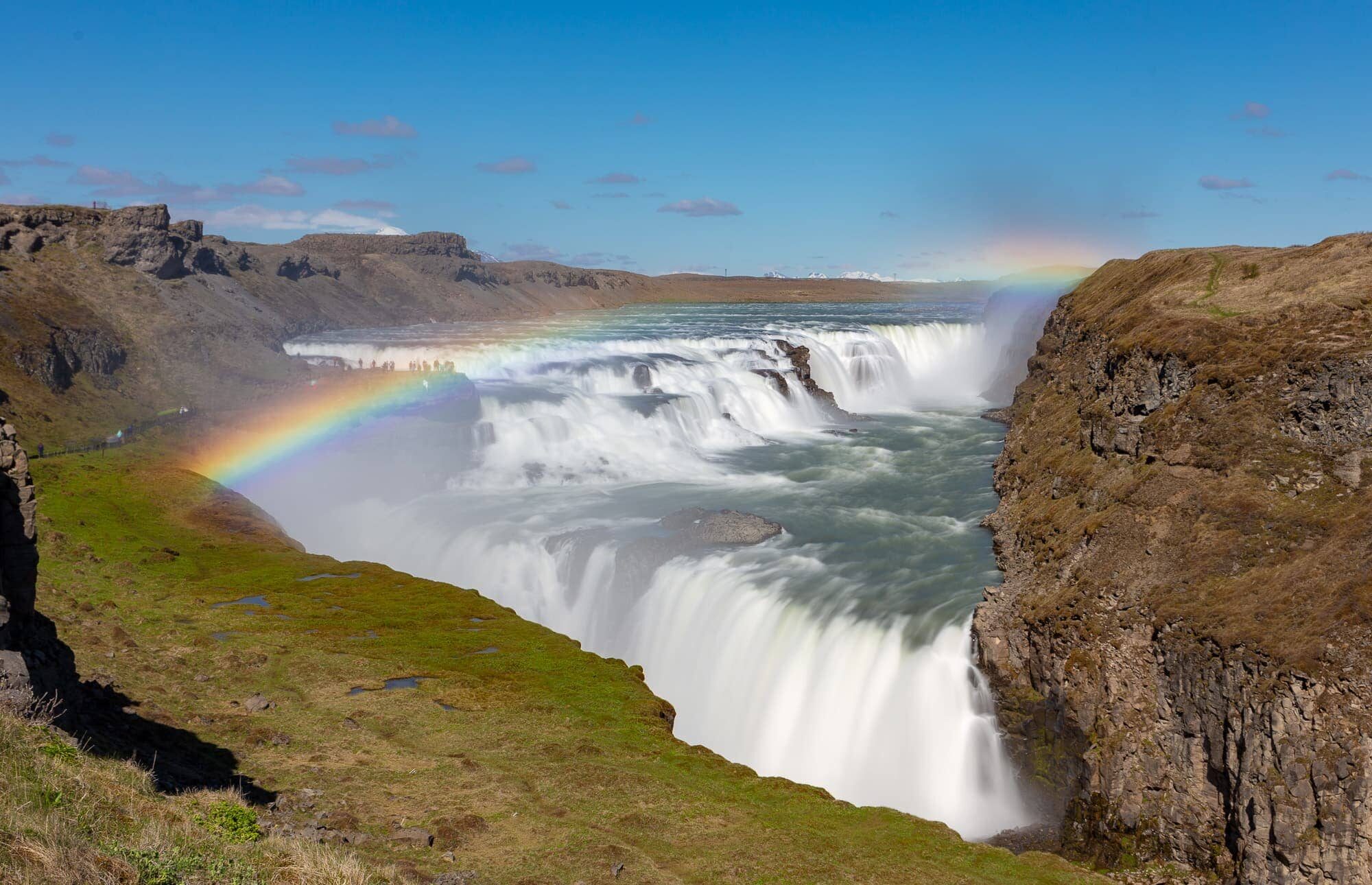
Route: Reykjavík → Þingvellir → Geysir → Gullfoss
Your first full driving day introduces you to one of Iceland’s easiest road-trip routes: the Golden Circle.
It’s an ideal transition into campervan travel because the distances between the major attractions are manageable and services are relatively accessible.
Þingvellir National Park
Start at Þingvellir, where walking trails take you through a landscape shaped by both geology and Icelandic history.
Rather than rushing through just to tick it off the itinerary, give yourself time to walk. That’s one of the advantages of limiting this trip to the Golden Circle and South Coast instead of attempting the entire country.
Geysir Geothermal Area
Continue toward the Geysir geothermal area.
Steam, bubbling geothermal features and the regularly erupting Strokkur provide a completely different landscape from Þingvellir—and you haven’t even finished your second day.
Gullfoss
Finish the main sightseeing portion of the day at Gullfoss.
Afterward, rather than driving all the way back to Reykjavík, continue to a campsite in the Golden Circle region.
That’s where having your accommodation traveling with you becomes particularly useful: tomorrow’s journey can continue toward the South Coast instead of retracing the route back to the capital.
Camper tip of the day
Don’t let a long summer evening convince you to keep driving indefinitely.
Extended daylight can make 9 PM feel much earlier than it really is. Settle into your campsite while you still have enough energy to prepare dinner and organize the camper for the next morning.
Day 3 — From the Golden Circle to Vík
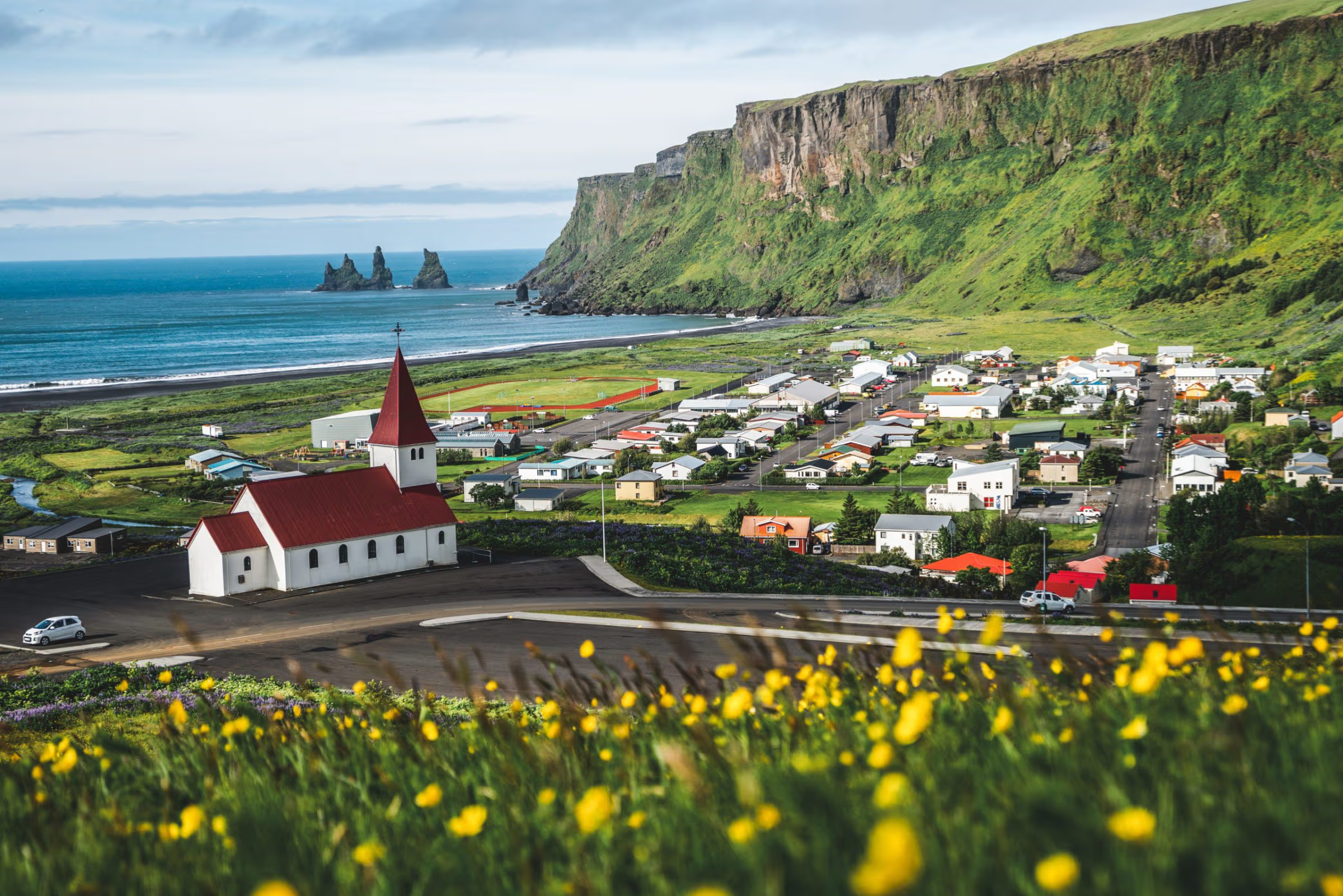
Route: Golden Circle → Seljalandsfoss → Skógafoss → Dyrhólaey → Vík
Day 3 is when the road trip begins to feel unmistakably Icelandic.
You’ll leave the geothermal landscapes behind and head toward the South Coast, where some of the country’s most recognizable waterfalls and coastal scenery sit relatively close to Route 1.
Seljalandsfoss
Seljalandsfoss makes a natural first major stop.
When conditions allow, the path behind the waterfall provides a very different perspective from simply photographing it from the parking area. Waterproof outer layers are useful—the spray can quickly soak you.
Skógafoss
Continue east toward Skógafoss.
The waterfall is impressive from ground level, while the staircase beside it leads to a viewpoint above the falls. If you’re hungry, this can also be a convenient point to stop and have a simple campervan lunch before continuing.
Dyrhólaey
If weather, road access, and time cooperate, make Dyrhólaey your next major stop.
The elevated coastal views introduce the black-sand landscapes around Vík and make a nice contrast to the waterfall-heavy first half of the day.
Vík
End in Vík rather than pushing farther east.
Refuel if necessary, replenish groceries, and settle into your campsite. After several stops, cooking dinner and staying in one place can be far more enjoyable than squeezing another attraction into the evening.
The campervan advantage today
On paper, Day 3 is a simple drive from the Golden Circle to Vík.
In reality, you may want 30 minutes at one waterfall and two hours at another.
A campervan makes those small changes easier because you aren’t constantly working backward from a distant hotel check-in.
Day 4 — Drive Less, Walk More
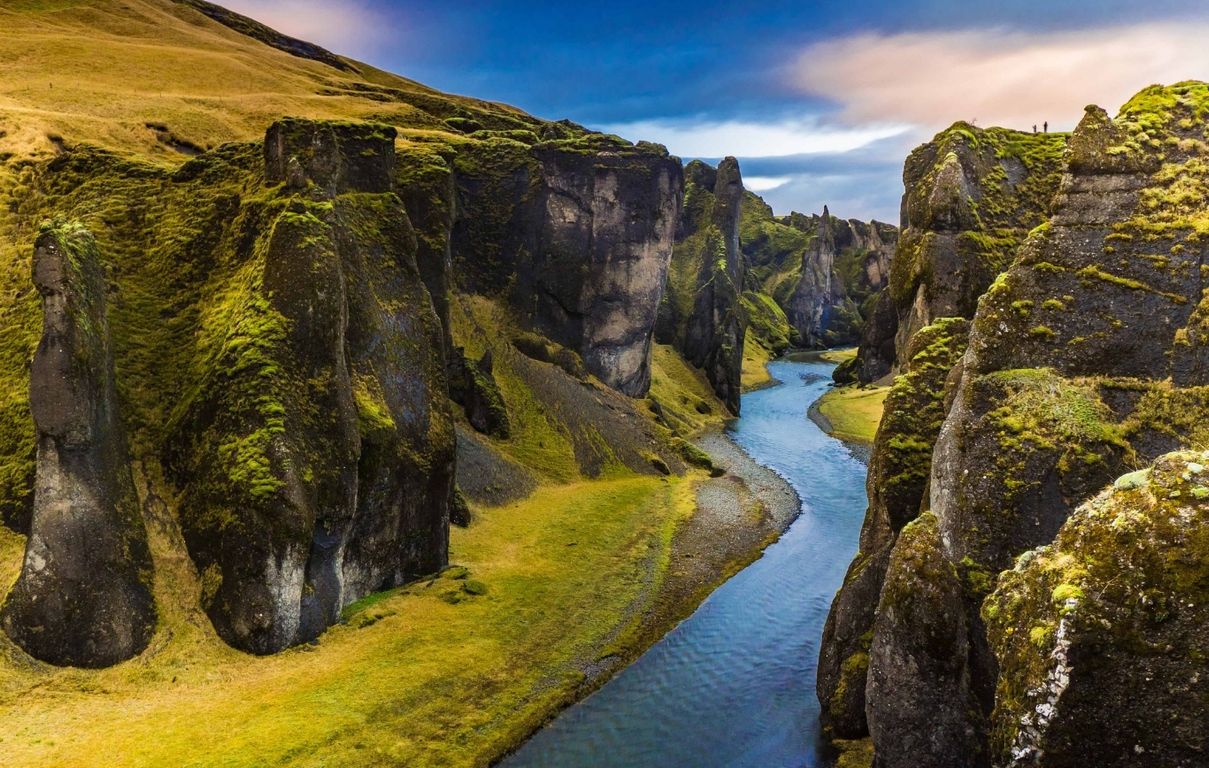
Route: Vík → Reynisfjara → Fjaðrárgljúfur → Skaftafell
By Day 4, it’s tempting to start adding more stops simply because there are so many possibilities along Route 1.
Don’t.
Today works better when the emphasis shifts from covering distance to spending more time outside the camper.
Reynisfjara
Start at Reynisfjara before continuing east.
The basalt columns, black sand, sea stacks and powerful North Atlantic make it one of Iceland’s most distinctive coastal landscapes.
But this is also a place where sightseeing requires caution. Never underestimate the waves. Stay well away from the water, pay attention to local warnings, and don’t turn your back on the ocean simply to get a photograph.
Fjaðrárgljúfur
Continue east toward Fjaðrárgljúfur, where a walking route provides views across the winding canyon.
Access conditions and trail restrictions can change, so check local information rather than assuming every path will be open during your visit.
Skaftafell
Spend the latter part of the day around Skaftafell.
Instead of treating it as another quick roadside stop, choose a walking route appropriate for your time, fitness, and weather conditions.
This is the theme of Day 4:
Drive less. Walk more.
Afterward, staying at a campsite around Skaftafell keeps you conveniently positioned for tomorrow’s glacier landscapes.
Camper tip of the day
Keep a separate bag near the camper door for wet shoes and waterproof clothing.
A small organization habit makes a surprisingly big difference when the same space becomes your kitchen, luggage area, and bedroom every evening.
Day 5 — Slow Down at Jökulsárlón
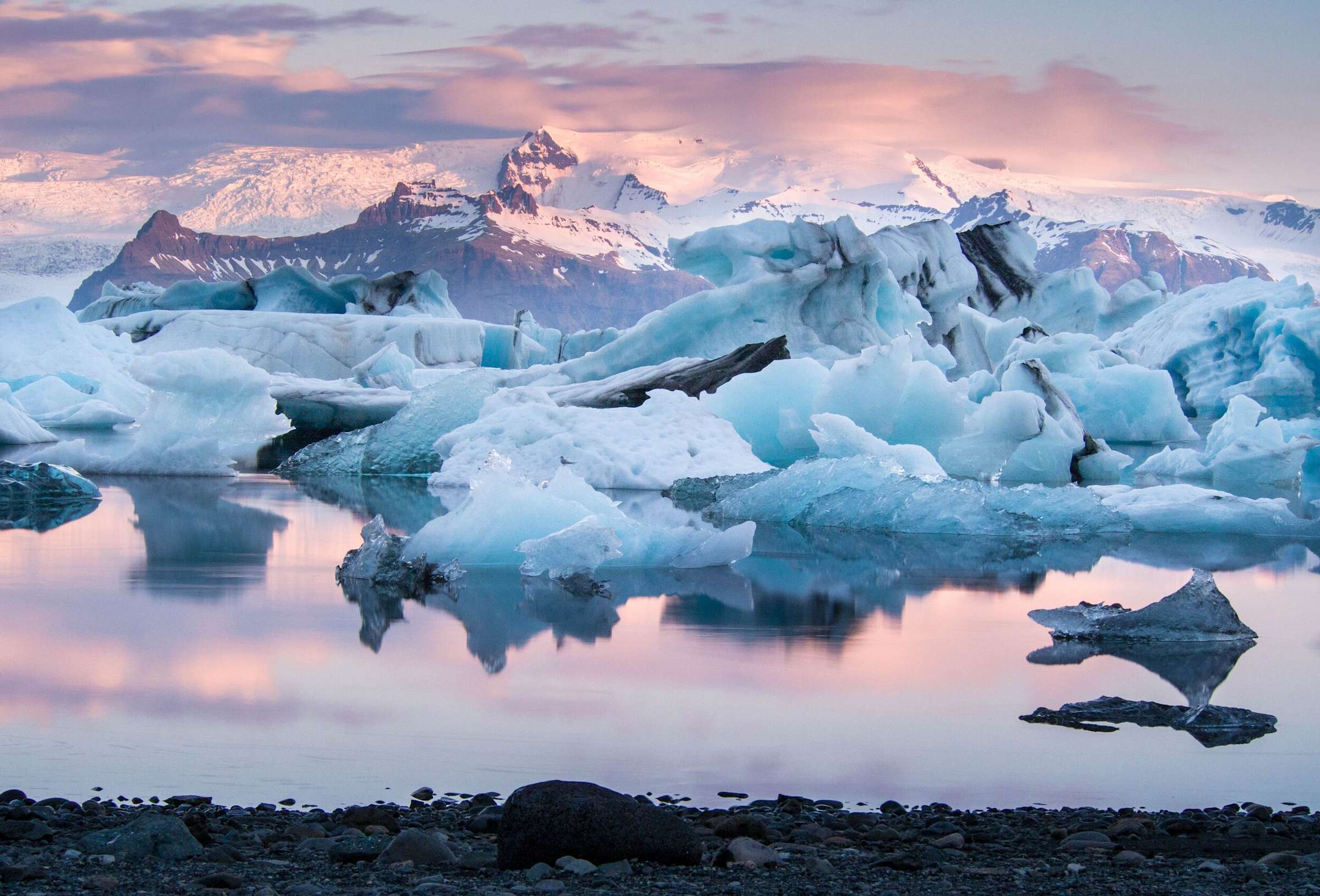
Route: Skaftafell → Jökulsárlón → Diamond Beach
Not every day of a 7-day road trip needs several hours of driving.
Day 5 is intentionally different.
Head toward Jökulsárlón Glacier Lagoon and give the area enough time to be more than a roadside photo stop.
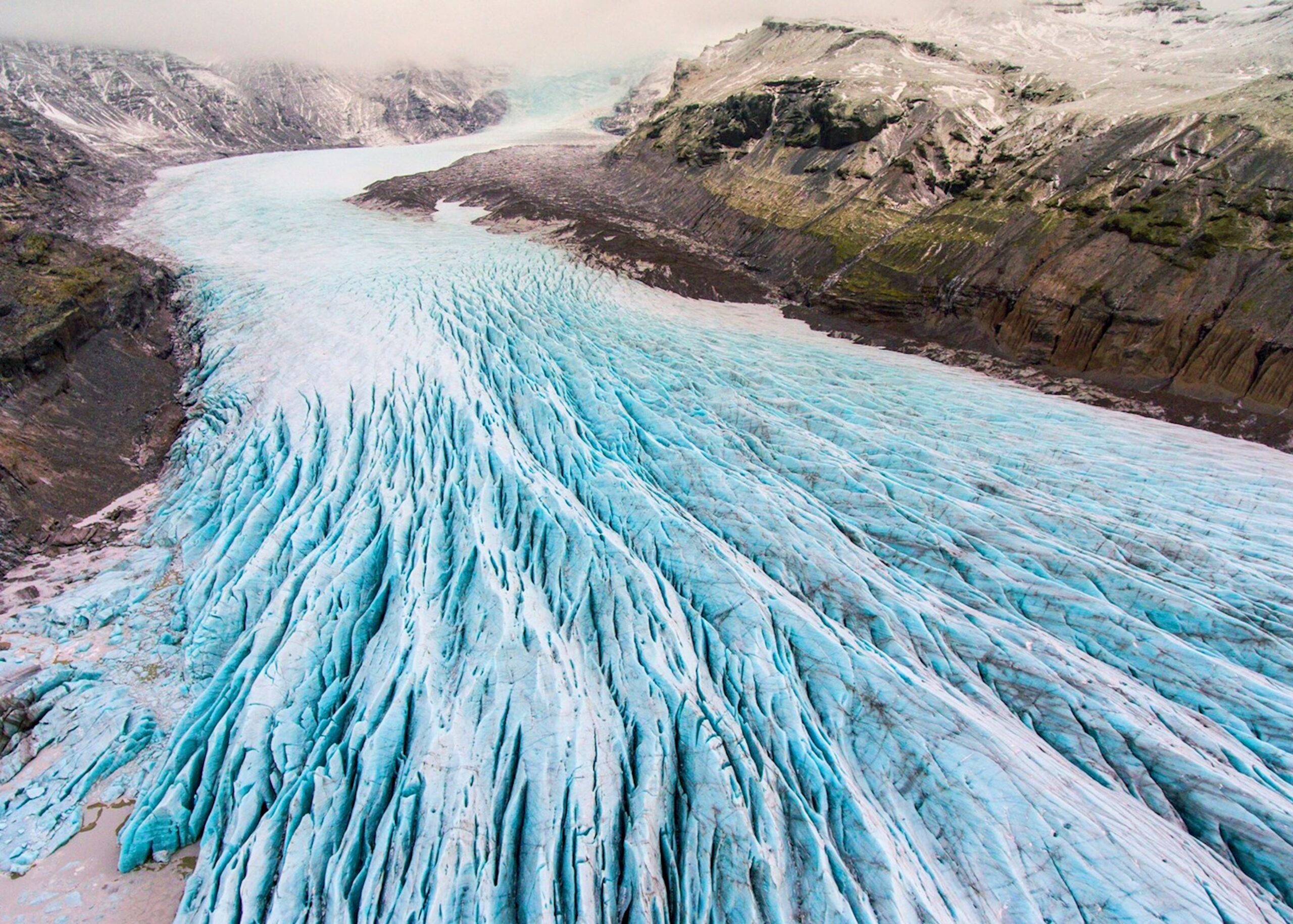
Floating icebergs move slowly through the lagoon before eventually reaching the ocean. Across the road, pieces of ice can wash onto the black shoreline of Diamond Beach, creating a landscape that changes with the tide and conditions.
If you want to add a paid experience, this is also a day where you could consider an appropriate glacier or lagoon activity. Otherwise, simply keep the schedule light.
Morning: Drive toward the glacier area
Afternoon: Explore Jökulsárlón
Later: Walk along Diamond Beach
Evening: Settle into your campsite
There’s no prize for reaching another town before dinner.
Sometimes the biggest benefit of traveling by campervan is simply being able to decide:
We’re staying here longer.
Day 6 — Keep One Day Flexible
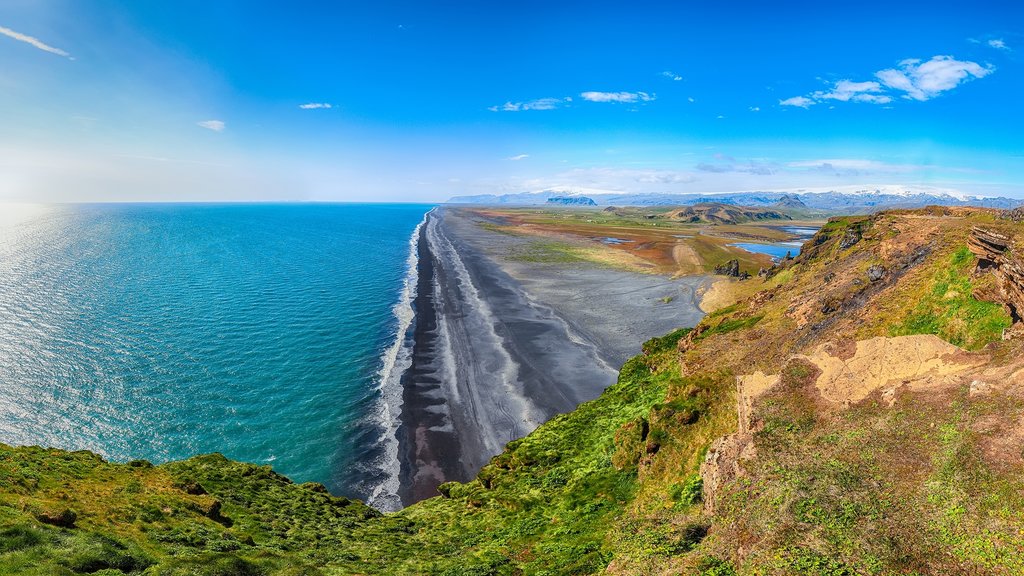
Route: Southeast Iceland → South Coast
This might be the most useful day in the entire itinerary precisely because it isn’t packed with mandatory attractions.
Iceland’s weather doesn’t care what you put into a spreadsheet three months before arriving.
Maybe heavy rain shortened Day 3. Perhaps visibility was poor at Dyrhólaey. Maybe you discovered a hiking trail you’d rather spend three hours exploring than visit another five roadside attractions.
Day 6 gives that time back.
You could use it to revisit somewhere you missed, stop around Sólheimajökull, explore Kvernufoss, or simply begin driving west slowly and stop whenever something catches your attention.
The only objective is to gradually move back along the South Coast so Day 7 doesn’t become an exhausting race to Reykjavík or Keflavík.
Why this works particularly well in a campervan
Hotels reward fixed itineraries.
Campervans reward adaptable ones.
You still need to plan where you’re legally staying overnight, but you don’t necessarily have to decide months in advance exactly how every hour between those campsites will be spent.
Camper tip: Check the following day’s forecast and road conditions before going to sleep. Your final-day plan should account for the conditions you’re actually facing—not the ones you expected before the trip.
Day 7 — Return Without the Last-Day Rush
Route: South Coast → Reykjavík / Keflavík
Your final day should be deliberately light.
Enjoy breakfast at the campsite, pack your luggage properly, and start heading west with enough time to handle the practical side of returning a campervan.
Before returning the vehicle:
- Refuel according to your rental conditions.
- Remove your belongings and food.
- Dispose of waste appropriately.
- Return included equipment to its proper place.
- Follow the company’s cleaning/return requirements.
- Allow extra time before your flight.
If you’re flying home on Day 7, avoid scheduling a major hike or distant attraction immediately before departure.
Icelandic weather, road conditions, and unexpected delays can turn an overly ambitious final day into unnecessary stress.
If your flight is the following morning, you have more flexibility to spend your final evening around Reykjavík or the Reykjanes Peninsula before staying at a suitable campsite.
Seven days later, you’ve covered only part of Iceland.
And that’s exactly the point.
You’ve had time to walk behind waterfalls, watch the coastline change, cook at campsites, stand beside glaciers, and occasionally stop simply because somewhere looked interesting from the road—rather than spending the entire week trying to complete a loop around the country.
Choosing the Right Campervan for This 7-Day Road Trip
The route itself is relatively straightforward, but choosing the right camper can make a noticeable difference to the experience.
For most of this itinerary, you don’t need to think only about getting from A to B. For seven days, the vehicle also becomes your sleeping space, luggage storage, shelter from bad weather, and potentially your kitchen.
That means the cheapest or smallest camper isn’t automatically the right choice.
| Traveler Type | Camper to Consider | What Matters Most |
|---|---|---|
| Solo traveler | Compact camper | Easy driving + lower cost |
| Couple | 2-person camper | Comfortable sleeping space |
| Couple with lots of gear | Larger camper | Storage + living space |
| 3+ travelers | Larger multi-person camper | Sleeping capacity + luggage |
| More demanding route | Suitable 4×4 camper | Road eligibility + conditions |
For two people, pay particular attention to how the bed is arranged and how much usable storage remains once luggage is inside.
A camper that looks spacious when empty can feel considerably smaller after adding two suitcases, hiking boots, waterproof jackets, groceries, camera equipment, and bedding.
What to Pack for 7 Days in a Campervan
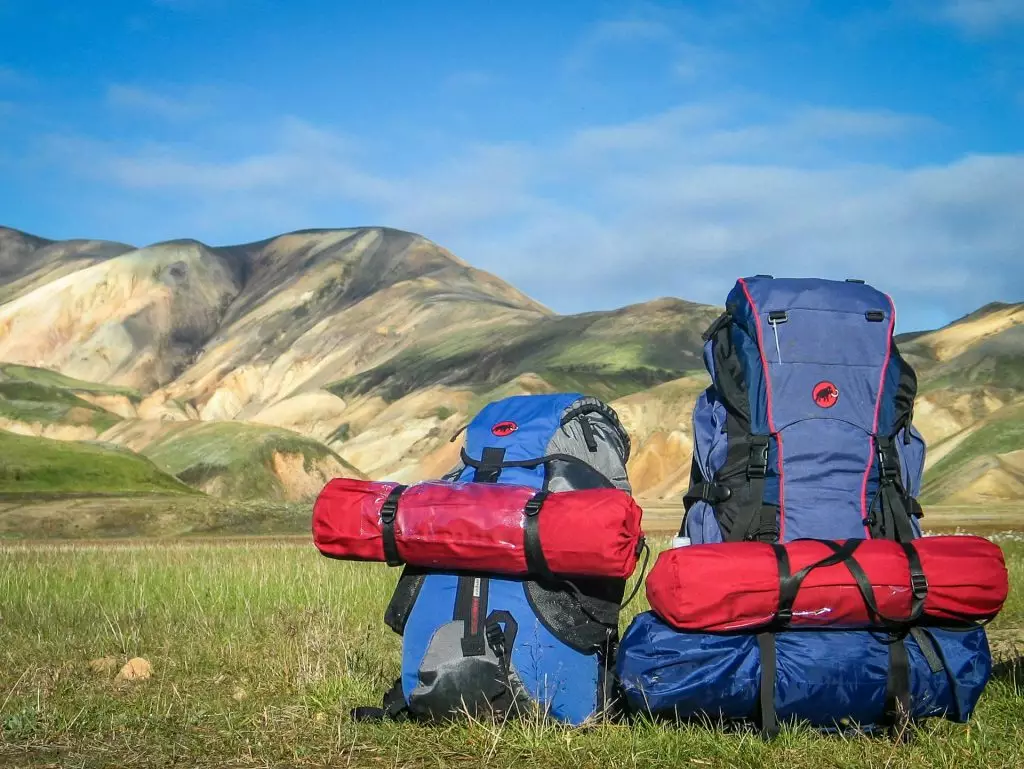
Packing for a campervan trip is slightly different from packing for seven nights in hotels.
Space matters.
Bring clothing that can be layered and reused rather than filling the camper with too many individual outfits.
Some particularly useful items include:
- Waterproof outer layer
- Warm mid-layers
- Comfortable walking shoes
- Warm socks
- Sleepwear
- Small quick-dry towel
- Reusable water bottle
- Power bank and charging cables
- Offline maps
- Small daypack
- Snacks for driving days
- Eye mask during Iceland’s bright summer nights
A separate bag for wet or dirty clothing is also surprisingly useful. After a rainy waterfall visit, you don’t want wet waterproofs mixed with everything else inside your sleeping area.
Don’t overpack
Remember that you’re going to move luggage around repeatedly.
Every evening, you may need to convert part of the camper into a sleeping area. Every morning, you’ll reverse the process.
The fewer unnecessary belongings you’re moving around, the easier camper life becomes.
Final Thoughts
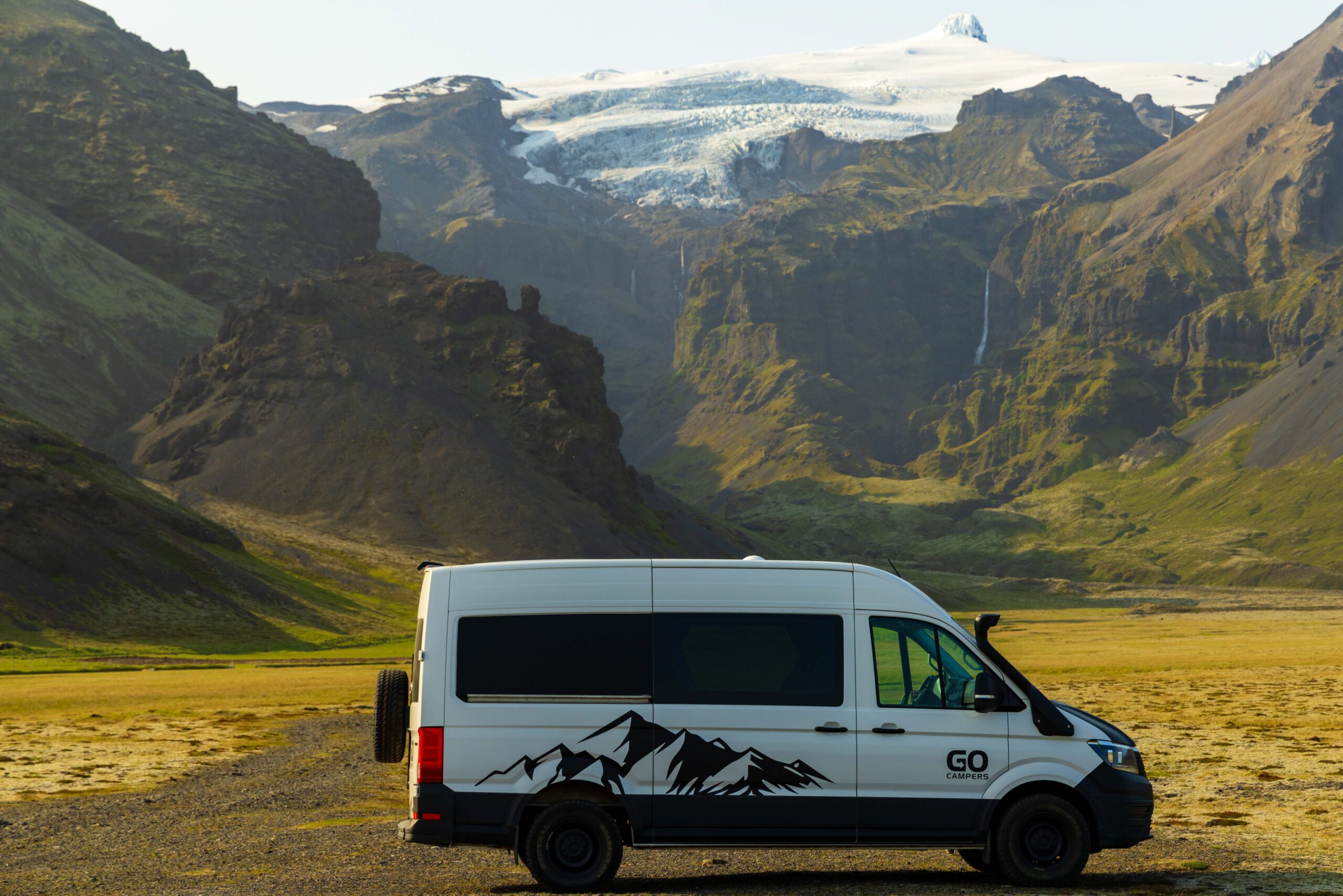
A 7-day road trip through Iceland doesn’t need to cover the entire country to feel like a complete adventure.
This route takes you from Reykjavík’s doorstep into the geothermal landscapes of the Golden Circle before following the South Coast past waterfalls, cliffs, black-sand beaches, canyons, glaciers, and finally Jökulsárlón.
More importantly, it leaves room for Iceland to change your plans.
If rain delays a hike, you have options. If you love somewhere more than expected, stay longer. If the forecast changes, adjust tomorrow.
That’s where a campervan becomes more than somewhere to sleep.
It gives the journey a different rhythm.
Rather than racing from one accommodation booking to another, the road itself becomes part of the trip—and sometimes the unplanned stop between two famous attractions becomes the place you remember most.
Seven days is enough to experience Iceland. It simply isn’t enough to experience all of Iceland.
For a first visit, that’s perfectly fine.
Read more about Iceland’s trip: Iceland Summer Road Trip: Where to Go & What Car to Rent

Continue exploring
Related field notes
Best Yacht Destinations: Where to Go by Yacht in 2026
If you are searching for Best Yacht Destinations, the right place can turn a simple boat rental into an unforgettable holiday. From…
Read the guide
Best Car Rental Deals: Why DiscoverCars Is a Top Choice for Comparing Rental Cars
Best Car Rental Deals are easier to find when you can compare prices, rental conditions, supplier ratings, and vehicle types in one…
Read the guide
Best Tour Guide 2026: Top Destinations & Tours with Amstar DMC
If you are looking for the Best Tour Guide for a Caribbean or Mexico vacation, Amstar DMC is worth considering for its…
Read the guide