
Golden Circle by Car: How to Plan the Perfect Self-Drive Day
Exploring the Golden Circle by car gives you something a fixed itinerary cannot: control over the pace of your day. You can spend longer walking through Þingvellir, wait for another eruption at Strokkur, stop for lunch when you…
Exploring the Golden Circle by car gives you something a fixed itinerary cannot: control over the pace of your day. You can spend longer walking through Þingvellir, wait for another eruption at Strokkur, stop for lunch when you actually feel hungry, or add an unexpected detour before returning to Reykjavík.
For first-time visitors, the Golden Circle is also one of the most approachable introductions to an Iceland self-drive trip. The classic route connects three major attractions—Þingvellir National Park, the Geysir geothermal area, and Gullfoss—while leaving plenty of possibilities for smaller stops along the way.
Your Golden Circle Self-Drive at a Glance
For most first-time visitors, a full day is a much better approach than trying to race around the route in half a day.
| Stop | Suggested Time | Main Experience |
|---|---|---|
| Reykjavík | Around 8:00 AM | Start your drive |
| Þingvellir | 1–1.5 hrs | Walking, geology & history |
| Geysir | 45–60 min | Geothermal landscape |
| Gullfoss | 45–60 min | Waterfall viewpoints |
| Lunch | 45–60 min | Take a proper break |
| Optional stops | 1–2 hrs | Choose based on your interests |
| Reykjavík | Evening | Complete the loop |
You don’t have to follow those times precisely. That’s the point of self-driving.
Use them as a framework, then let the weather, daylight and places themselves determine the actual pace.
Is the Golden Circle Easy to Drive?
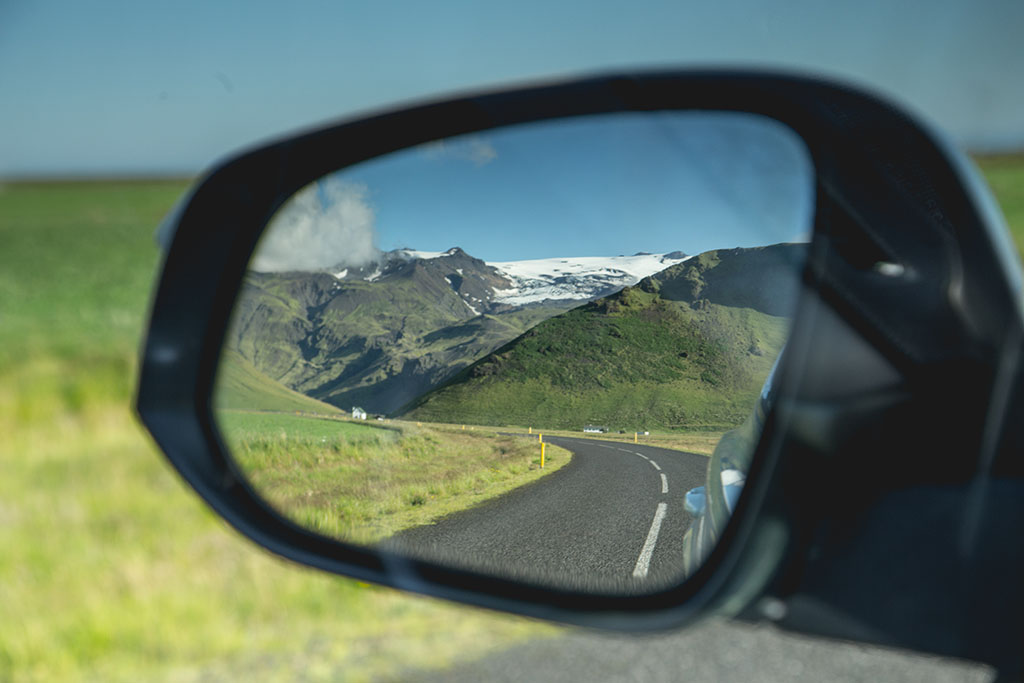
For many visitors, the Golden Circle is a relatively straightforward introduction to driving in Iceland.
The classic route uses established roads and doesn’t require you to venture deep into the Highlands. Navigation between the three main attractions is also fairly simple.
But “straightforward” doesn’t mean conditions are always easy.
Icelandic weather can change quickly, and wind, snow, ice, visibility and road conditions can completely change the driving experience—particularly outside summer.
The Golden Circle should therefore be treated differently depending on when you visit.
In good summer conditions, you may have long daylight hours and plenty of flexibility to add extra stops. In winter, a shorter itinerary with more time between destinations can make much more sense.
Before leaving Reykjavík, check both the weather forecast and current road conditions, rather than relying only on your navigation app.
What Car Do You Need for the Golden Circle?
You don’t automatically need the largest SUV available simply because you’re driving in Iceland.
Your choice should depend primarily on:
Season + weather + passengers + luggage + planned roads
For a standard Golden Circle itinerary in favorable conditions, many travelers can use a conventional rental car. A compact vehicle may be enough for a couple traveling lightly, while a larger car or SUV can provide more space for families, groups, and luggage.
Winter requires more thought.
Snow, ice and strong winds can make familiar-looking roads considerably more challenging. Choosing an appropriate vehicle helps, but the most important safety decision is still knowing when conditions aren’t suitable for driving.
What about a 4×4?
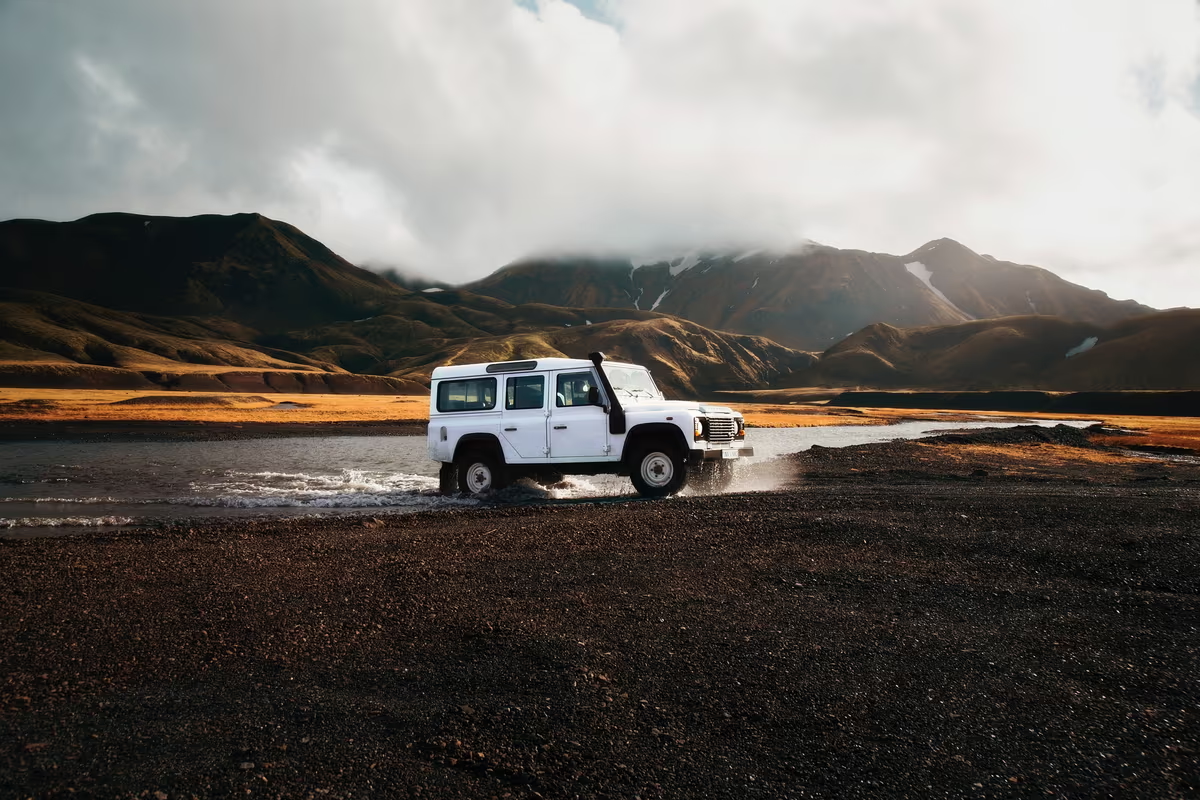
A 4×4 can provide additional capability in certain conditions and is essential for some types of Iceland itineraries, but it shouldn’t create false confidence.
Four-wheel drive doesn’t eliminate:
- Black ice
- Poor visibility
- Strong crosswinds
- Road closures
- Driver inexperience
For the classic Golden Circle, start with your travel dates and intended route, then choose the vehicle—not the other way around.
Stop 1 — Þingvellir: Don’t Rush Your First Stop
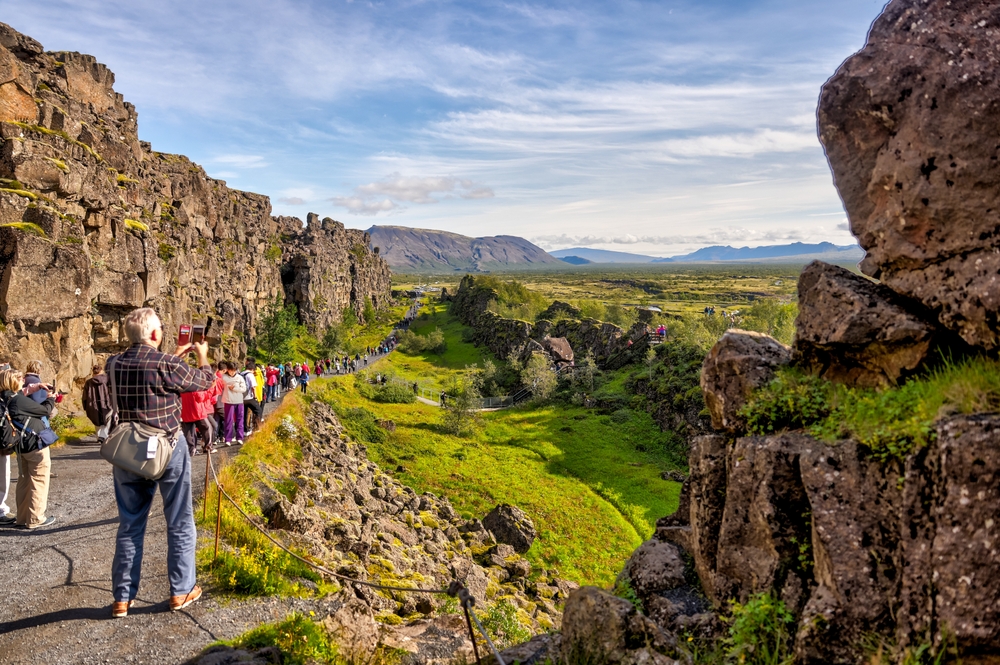
Reykjavík → Þingvellir
One of the easiest mistakes to make on a Golden Circle road trip happens almost immediately.
You arrive at Þingvellir, look at the map and think:
We’ll probably need about 20 minutes.
Give it longer.
Þingvellir isn’t simply a viewpoint where you step out of the car, take a photograph and continue driving. It’s a landscape worth exploring on foot, with trails and viewpoints across an area closely connected to both Iceland’s geology and history.
For a balanced day, around 1–1.5 hours gives you more room to walk without immediately checking the clock.
Arriving earlier also means you’re not beginning the day already behind schedule.
Why Þingvellir works well as your first stop
The drive from Reykjavík is manageable, so you can ease into the road trip rather than immediately committing to several hours behind the wheel.
More importantly, starting here means the landscapes become progressively different throughout the day.
You’ll go from Þingvellir’s open scenery to steaming geothermal ground at Geysir and finally the power of Gullfoss.
Three major stops, three very different versions of Iceland.
Stop 2 — Let Strokkur Set the Schedule at Geysir
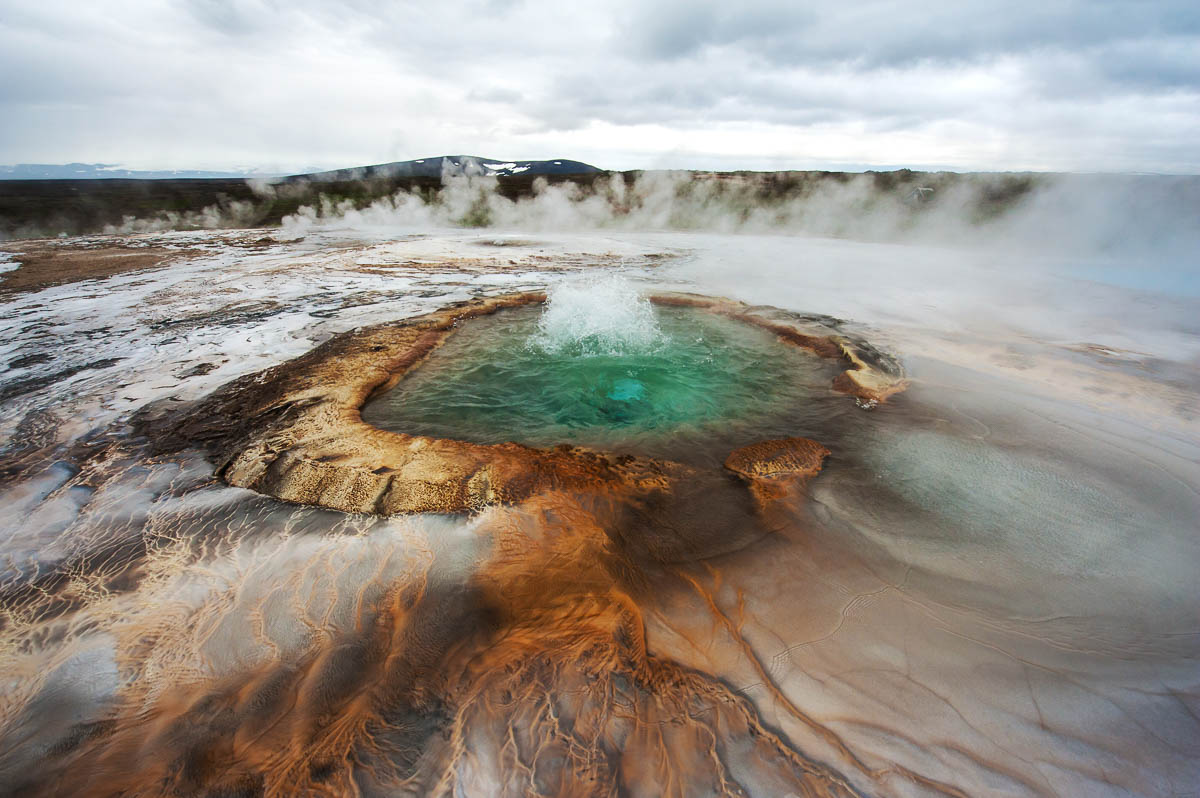
Þingvellir → Geysir Geothermal Area
Your second major stop feels completely different.
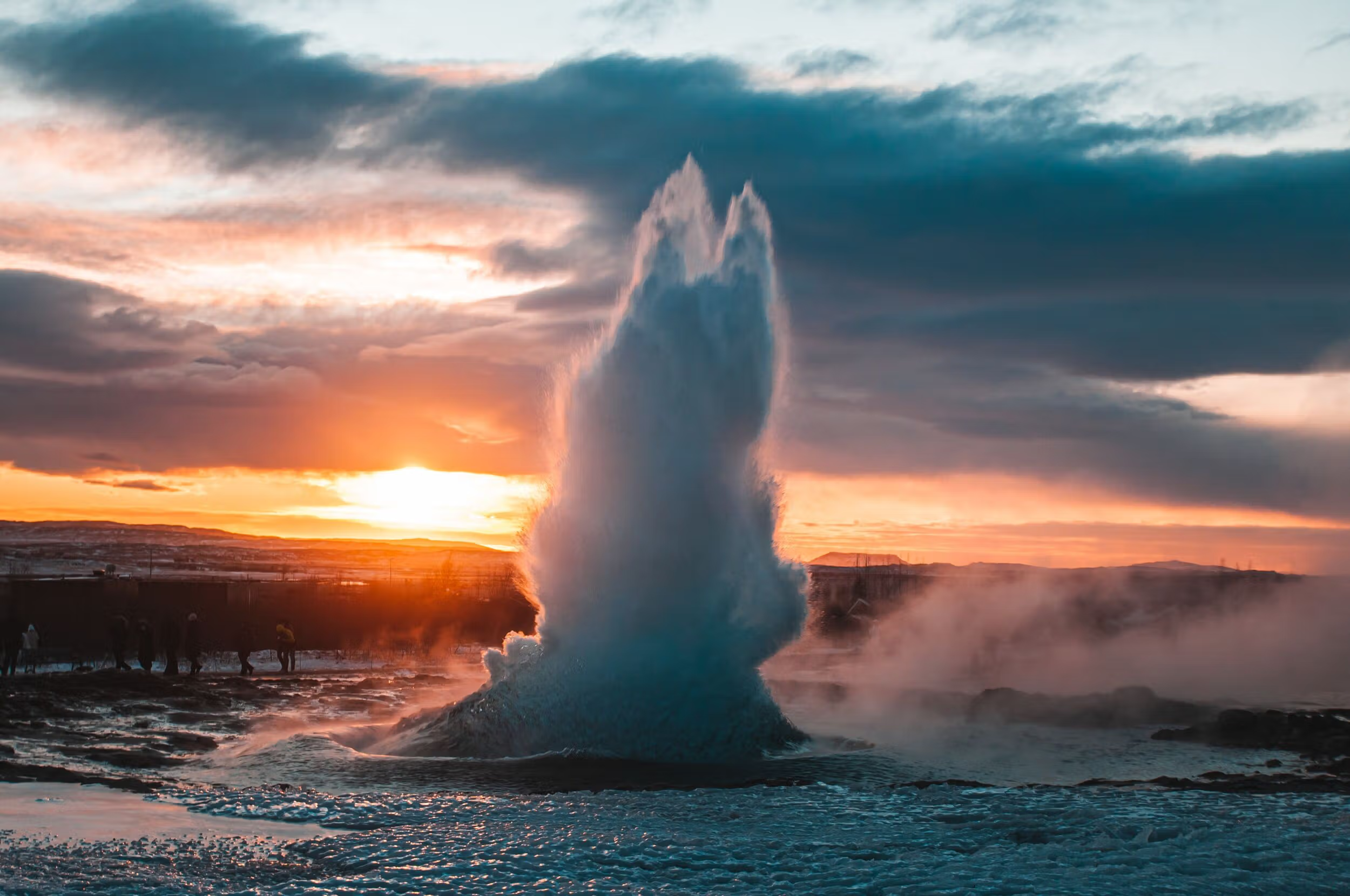
The Geysir geothermal area is filled with signs of the activity beneath Iceland’s surface: steam, hot water and geothermal features spread across the landscape.
The star for most visitors is Strokkur.
Unlike a museum exhibit, you can’t simply press a button when you’re ready. Part of the experience is standing back and waiting for the next eruption.
That makes 45–60 minutes a comfortable amount of time for many visitors.
If you arrive hungry, the Geysir area can also fit naturally around your lunch break. There’s little benefit in rushing through lunch simply to squeeze another minor attraction onto the itinerary.
Self-drive advantage of the day
A tour has to move when the group moves.
With your own car, you can wait for another eruption, walk a little farther, or leave early if you’ve seen enough.
Those small decisions are what make the Golden Circle by car feel different from simply following the same route on a fixed schedule.
Stop 3 — Gullfoss: Finish the Classic Golden Circle Trio
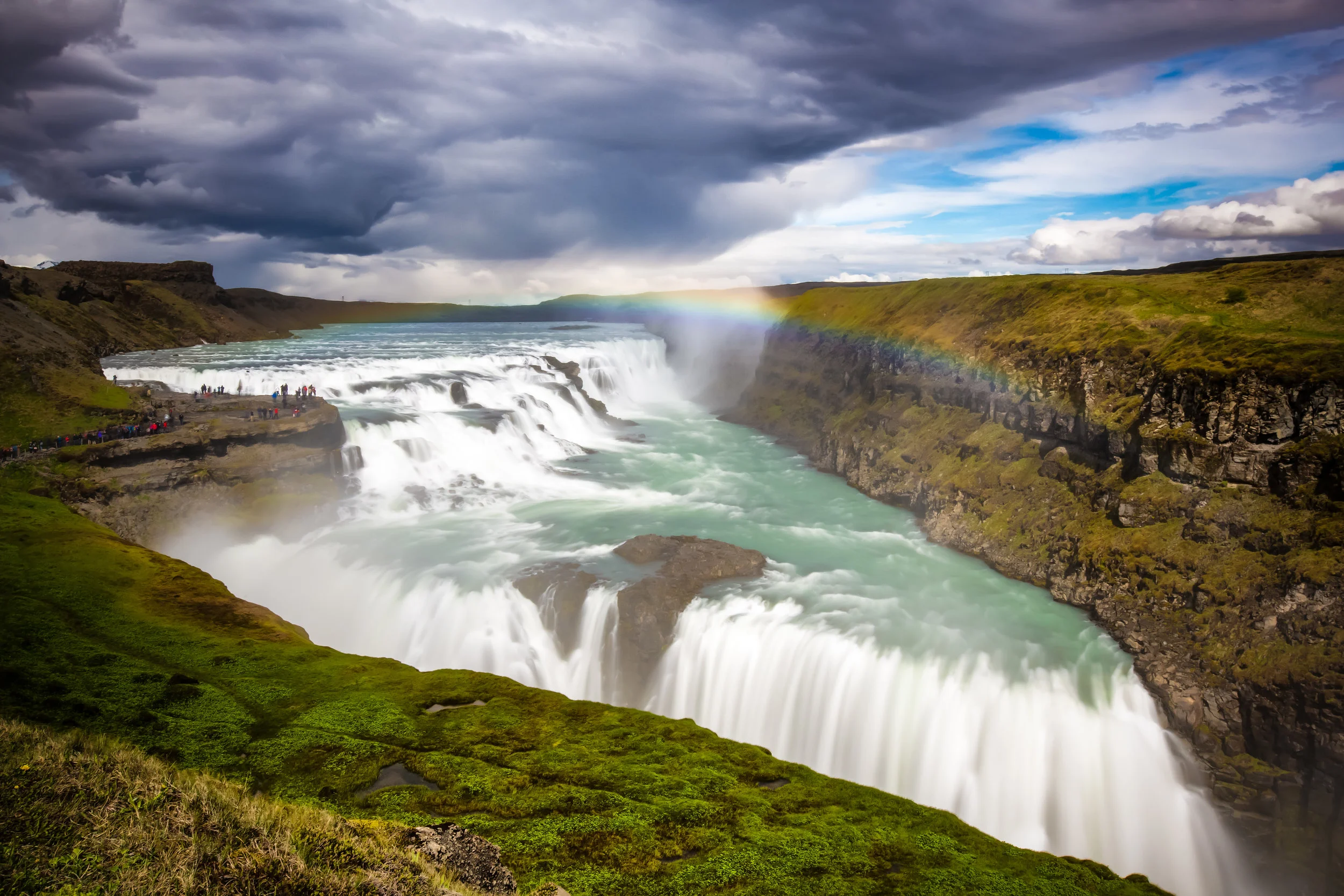
Geysir → Gullfoss
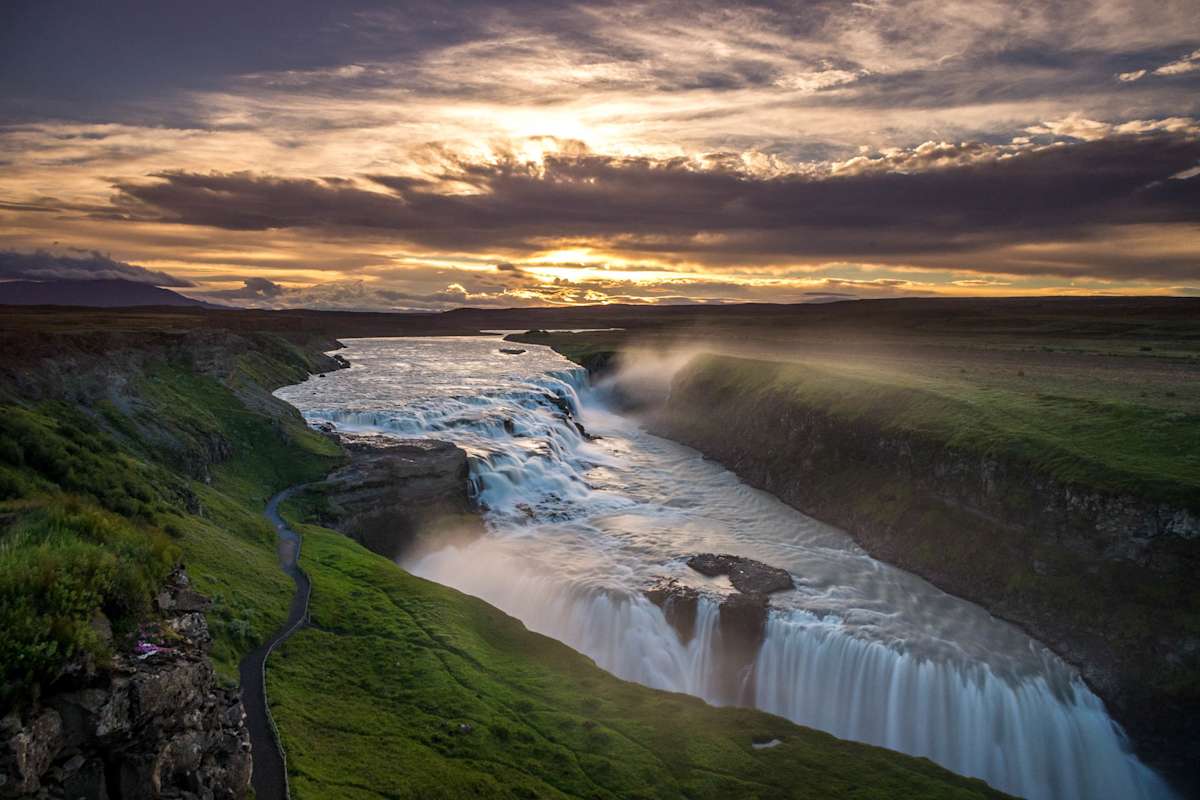
Gullfoss completes the three attractions most strongly associated with the Golden Circle.
The waterfall drops through a dramatic river canyon, and different viewing areas provide changing perspectives as you move around the site.
Give yourself roughly 45–60 minutes, although weather can influence how much time you’ll want outside.
Waterproof outerwear is useful even when rain isn’t expected. Waterfall spray and Icelandic wind have a habit of finding clothing that looked perfectly adequate when you left Reykjavík.
Winter visitors should take extra care around icy walking surfaces and follow any access restrictions in place.
But don’t treat Gullfoss as the end of the day.
It marks something more useful:
You’ve now seen the three essentials. Everything after this is optional.
And that’s when your self-drive itinerary becomes much more interesting.
The Best Part of Self-Driving Starts Here
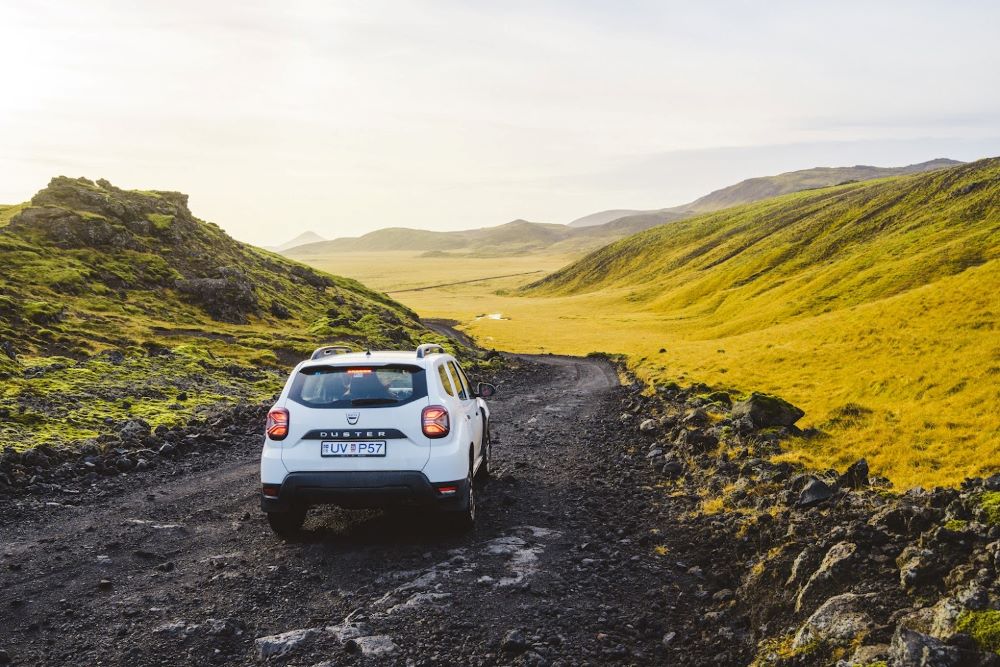
Once you’ve visited Þingvellir, Geysir and Gullfoss, resist the urge to search for “10 more Golden Circle attractions near me.”
Instead, decide what would actually improve your day.
If You Want More Nature
Consider adding Kerið, a volcanic crater lake that works well as part of the return journey depending on your route.
Rather than another large attraction requiring several hours, it can provide a different geological landscape without turning the afternoon into a second itinerary.
If You Want to Slow Down
Choose a geothermal bathing experience and make that your main extra activity.
This works particularly well if you’ve already spent several hours walking and driving.
If Food Is More Important
Use the extra time for a farm, café, or local food stop instead of another viewpoint.
Not every memorable part of an Iceland road trip needs to be a waterfall.
If You’re Already Tired
Go back to Reykjavík.
This is an underrated option.
You’ve already experienced the classic Golden Circle. There’s no reason to turn an enjoyable day into an exhausting one simply because your saved Google Map contains another six pins.
Summer vs Winter: The Same Golden Circle, a Very Different Drive
The Golden Circle can be explored throughout the year, but a summer self-drive and a winter self-drive shouldn’t be planned in exactly the same way.
| Summer | Winter | |
|---|---|---|
| Daylight | Long | Limited |
| Road conditions | Generally easier | Snow and ice possible |
| Itinerary flexibility | Higher | More conservative planning |
| Extra stops | Easier to add | Prioritize essentials |
| Vehicle choice | More flexible | Requires more consideration |
| Weather buffer | Still important | Essential |
Driving the Golden Circle in Summer
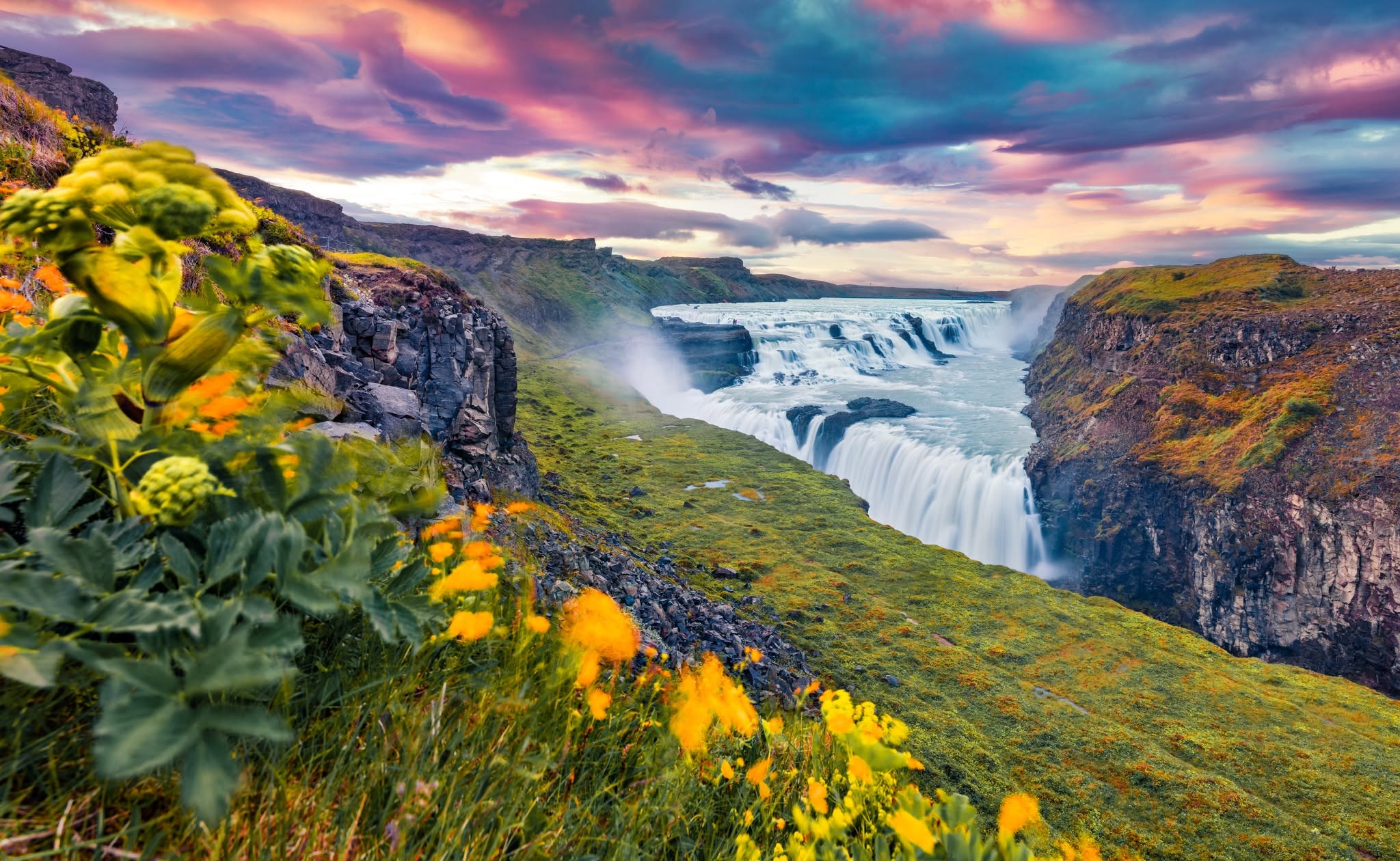
Summer gives you the biggest scheduling advantage: daylight.
Long days mean you can spend more time walking, leave an attraction later than expected, or add another stop without immediately worrying about darkness.
Road conditions are also generally easier than during the colder months.
But don’t interpret summer as guaranteed good weather. Heavy rain, fog and strong winds can still affect your plans.
A small or medium rental car may be perfectly suitable for the standard route in favorable conditions, especially for couples or travelers with limited luggage.
Driving the Golden Circle in Winter
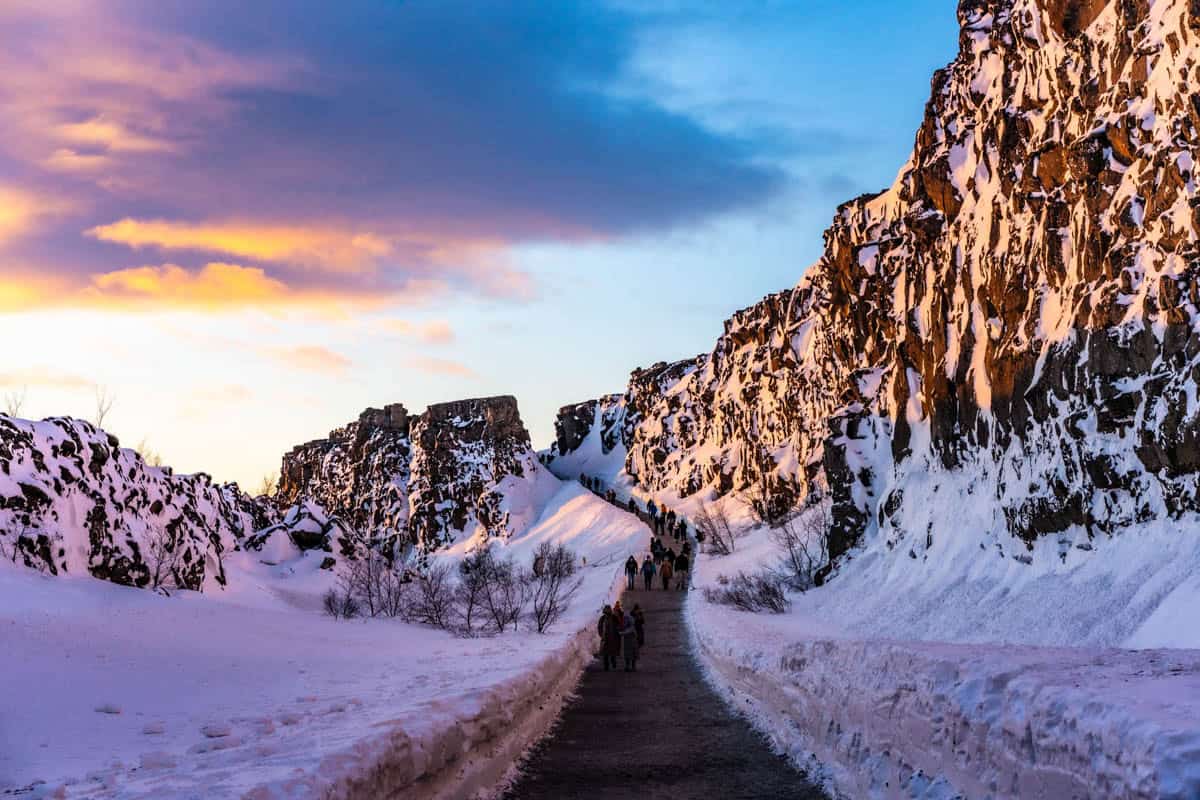
Winter changes the calculation.
You have less daylight, while snow, ice and rapidly changing weather can make driving slower than expected. Rather than trying to reproduce a summer itinerary, reduce the number of stops and leave more buffer time.
A suitable SUV or 4×4 may provide additional capability depending on the conditions, but vehicle choice is only one part of winter safety.
If forecasts or road authorities advise against driving, changing your itinerary is more important than what badge is on the back of your rental car.
Your 5-Minute Check
You don’t need an elaborate pre-drive ritual. Five quick checks can prevent many avoidable problems later in the day.
Weather
Look at the forecast for the Golden Circle itself, not just Reykjavík.
Conditions inland can differ from what you’re seeing outside your accommodation.
Road Conditions
Check whether your intended roads are open and what conditions are currently being reported.
This is particularly important during winter and periods of rapidly changing weather.
Fuel
Starting with sufficient fuel removes one unnecessary thing to think about during the day.
Navigation
Load your main stops before leaving and consider downloading offline maps.
Don’t rely blindly on navigation if it tries to send you onto a road that doesn’t look appropriate for your vehicle or current conditions.
Daylight
Know roughly when daylight ends during your visit.
This matters much more in Iceland than travelers coming from lower latitudes sometimes expect.
Self-Drive or Guided Tour: Which Makes More Sense?
Neither option is automatically better.
They suit different travelers.
A guided tour removes most of the driving and navigation responsibility. You can sit back, follow an established schedule and concentrate on the attractions. That’s particularly appealing if you’re uncomfortable driving in unfamiliar or potentially wintry conditions.
A self-drive trip gives you more control.
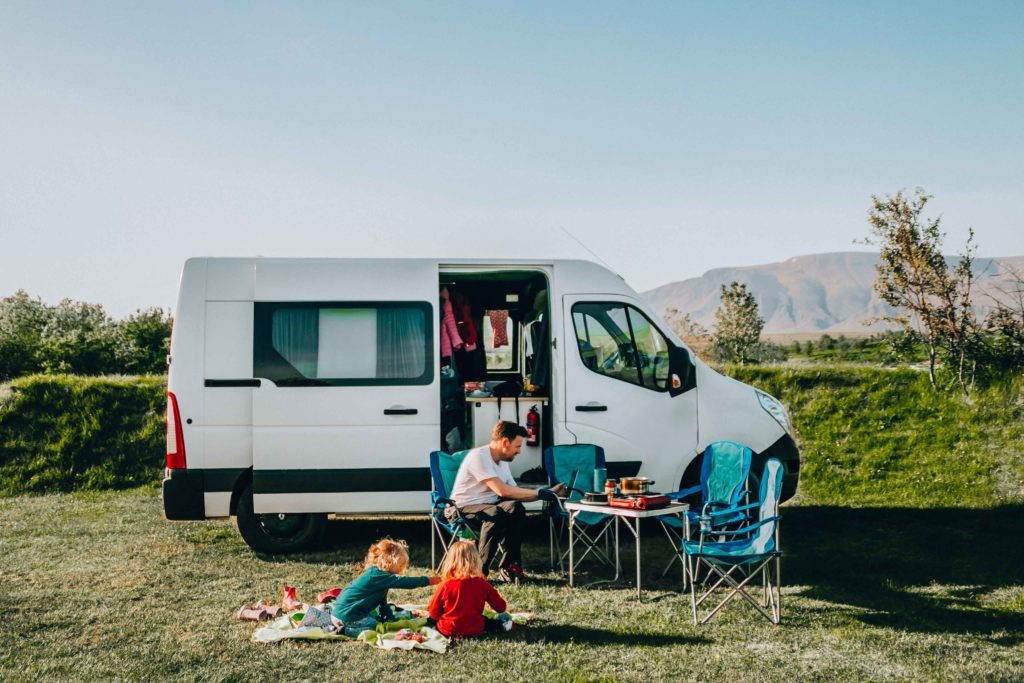
You decide when to leave Reykjavík, how long to spend at Þingvellir, whether you want another Strokkur eruption, where to eat, and which optional stops make the final cut.
For travelers comfortable behind the wheel, that flexibility is the main reason to rent a car—not simply getting from one attraction to another.
If that sounds closer to how you like to travel, you can compare current vehicle options through 5 Best Types of Rental Cars for Exploring Iceland – How to Choose the Right One
FAQ
How long does it take to drive the Golden Circle?
The driving itself only represents part of the day. Once you include Þingvellir, Geysir, Gullfoss, meals, parking and optional stops, it’s better to treat the Golden Circle as a full-day trip rather than focusing only on the number of hours shown by your navigation app.
Can you drive the Golden Circle in one day?
Yes. A single day is enough for the three classic attractions and, depending on your pace, daylight and conditions, one or two additional stops. Leaving Reykjavík relatively early gives you more flexibility without requiring you to rush between attractions.
Do you need a 4×4 for the Golden Circle?
Not automatically. A standard Golden Circle itinerary primarily follows established roads, and conventional rental cars can be suitable in favorable conditions. Season, current road conditions and your exact itinerary should determine your vehicle choice. A 4×4 also doesn’t eliminate the risks associated with ice, wind or severe weather.
Can you drive the Golden Circle in winter?
Yes, when roads and weather conditions allow. Winter requires more conservative planning because daylight is shorter and snow, ice and storms can affect driving. Check official weather and road information before departure and be prepared to postpone or modify the trip if conditions deteriorate.
Is the Golden Circle better by car or tour?
Choose a tour if you’d rather avoid navigation and driving responsibilities. Choose a rental car if you value flexibility and are comfortable driving in the conditions. Self-driving allows you to control departure time, stop duration, meals and optional detours.
Should you book a rental car in advance?
Booking ahead is sensible when your dates are fixed, particularly if you need a specific vehicle category. It also lets you compare the rental conditions and understand what is included before arriving rather than making the decision immediately after landing.
Final Thoughts
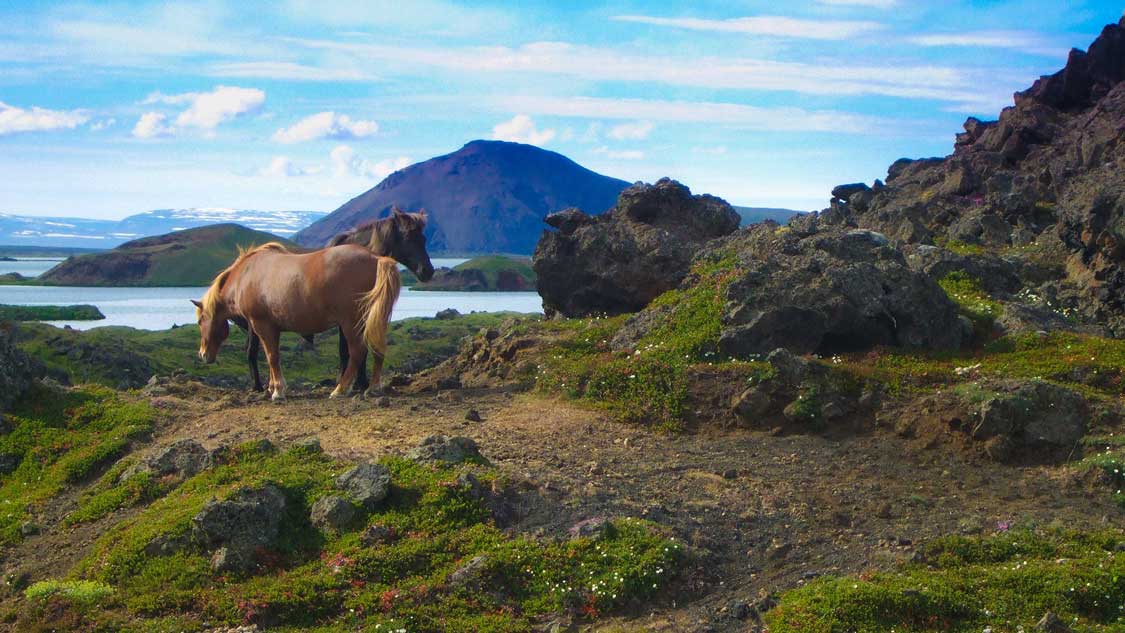
Driving the Golden Circle by car doesn’t require a complicated itinerary.
Start with the three places that define the route:
Þingvellir → Geysir → Gullfoss
Give each enough time to actually experience it.
Then decide what happens next.
Add Kerið if another geological landscape interests you. Choose a geothermal experience if you’d rather slow down. Stop for food. Follow an interesting detour that’s appropriate for your vehicle. Or simply head back to Reykjavík earlier than planned.
That’s the real advantage of self-driving.
You’re following a famous route without having to experience it on someone else’s clock.
Weather and road conditions still set boundaries, especially during winter, but within those boundaries you have considerably more freedom to shape the day around your own interests.
The Golden Circle may be a loop on the map.
Your day doesn’t need to feel like one.

Continue exploring
Related field notes

Best Yacht Destinations: Where to Go by Yacht in 2026
If you are searching for Best Yacht Destinations, the right place can turn a simple boat rental into an unforgettable holiday. From…
Read the guide
Best Car Rental Deals: Why DiscoverCars Is a Top Choice for Comparing Rental Cars
Best Car Rental Deals are easier to find when you can compare prices, rental conditions, supplier ratings, and vehicle types in one…
Read the guide
Best Tour Guide 2026: Top Destinations & Tours with Amstar DMC
If you are looking for the Best Tour Guide for a Caribbean or Mexico vacation, Amstar DMC is worth considering for its…
Read the guide