
2026 Iceland Solar Eclipse: Best Campervan Routes, Viewing Spots & Travel Tips
The 2026 Iceland Solar Eclipse is set to become one of the most extraordinary travel events of the decade. On August 12, 2026, the Moon will completely cover the Sun across parts of Iceland, creating a rare moment…
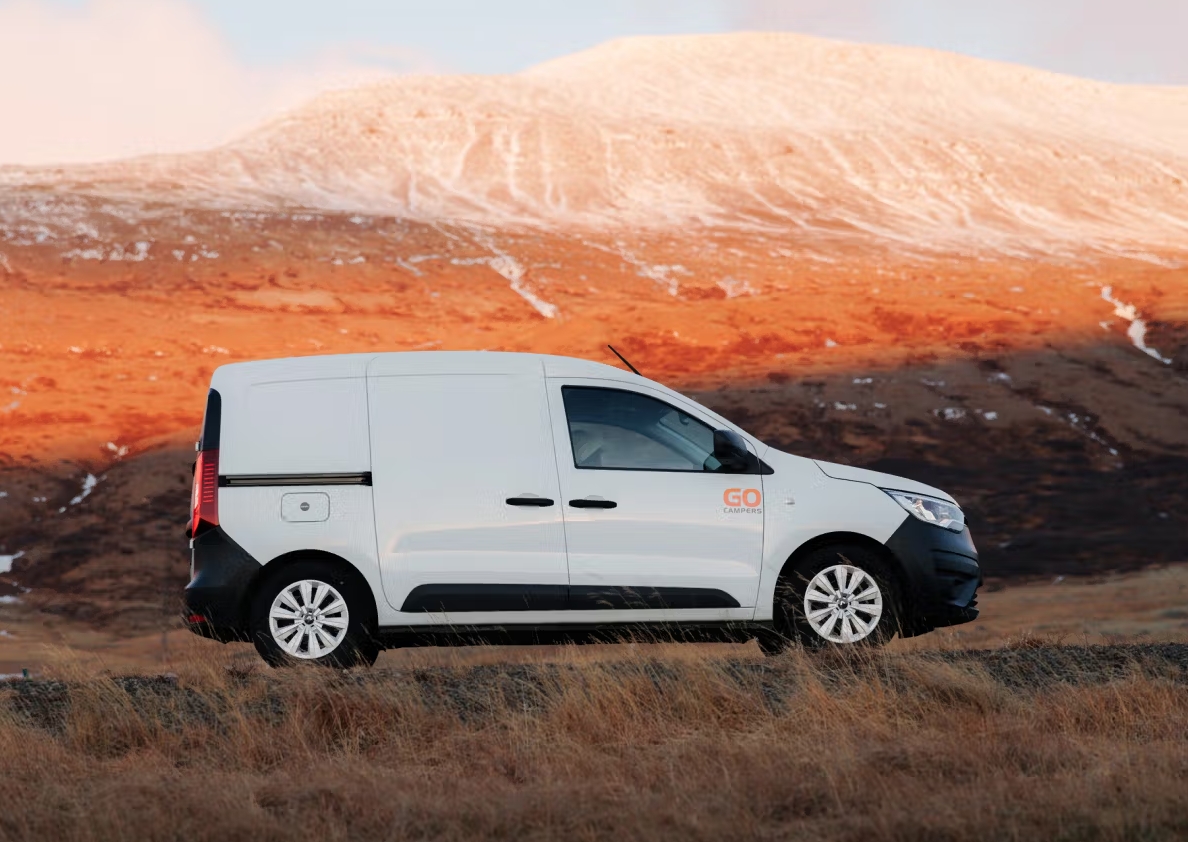
The 2026 Iceland Solar Eclipse is set to become one of the most extraordinary travel events of the decade. On August 12, 2026, the Moon will completely cover the Sun across parts of Iceland, creating a rare moment of total darkness in the middle of a summer afternoon. For travelers hoping to witness this once-in-a-lifetime phenomenon, planning ahead, and having the flexibility to reach the best viewing locations can make all the difference.
Why Iceland Is One of the Best Places to Experience the 2026 Solar Eclipse
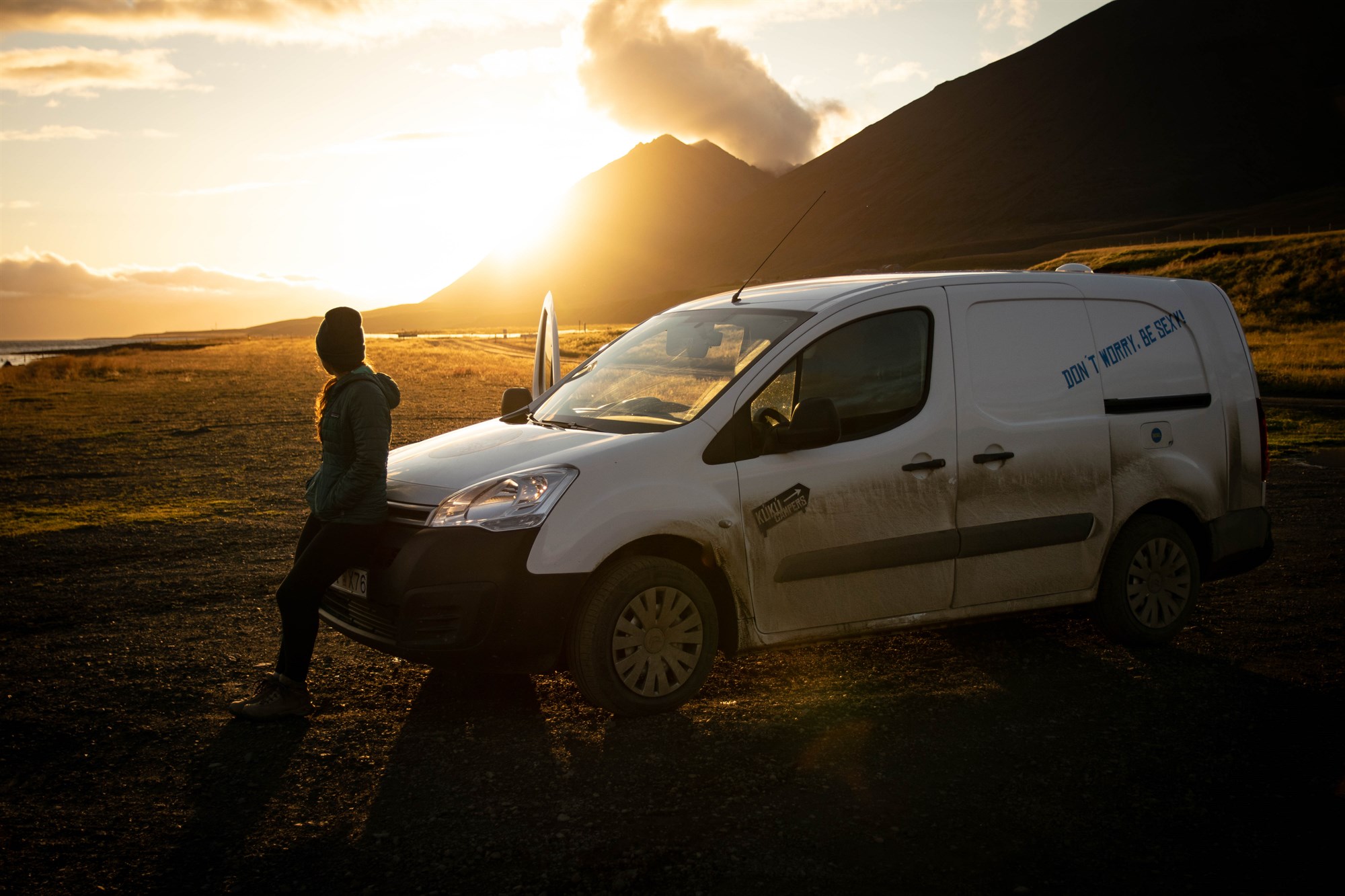
A total solar eclipse is already an unforgettable event, but experiencing it in Iceland makes it even more remarkable. Few places combine dramatic natural scenery with wide open landscapes and relatively easy access to multiple viewing locations.
Unlike many eclipse destinations where visitors are tied to one observation point, Iceland offers the flexibility to travel between regions if weather conditions change. Since cloud cover can vary significantly across the island, having the freedom to move often increases the chances of enjoying clear skies during totality.
Beyond the eclipse itself, August is one of Iceland’s most enjoyable travel seasons. Long daylight hours, comfortable temperatures, and accessible roads make it an ideal time for a road trip that combines world-famous waterfalls, volcanic landscapes, black sand beaches, coastal villages, and glacier views with one of the rarest astronomical events on Earth.
For many travelers, the eclipse becomes the highlight of a much larger Iceland adventure rather than a single afternoon event.
2026 Solar Eclipse Timeline in Reykjavík
If you’re planning to watch the eclipse from Reykjavík or nearby areas, here’s what to expect on August 12, 2026.
| Eclipse Stage | Local Time |
|---|---|
| Partial Eclipse Begins | 16:47 |
| Total Eclipse Begins | 17:48 |
| Maximum Eclipse | 17:48 |
Although totality lasts only a brief moment, the complete eclipse experience from the first partial phase until the Moon moves away from the Sun extends over approximately two hours. Arriving at your chosen viewing location well before the event begins gives you plenty of time to settle in and enjoy the changing atmosphere.
Following the Path of Totality Across Iceland
The path of totality determines where the Moon completely blocks the Sun, creating the dramatic darkness that makes a total solar eclipse so special. While much of Iceland will experience a partial eclipse, travelers inside the path of totality will witness the full spectacle.
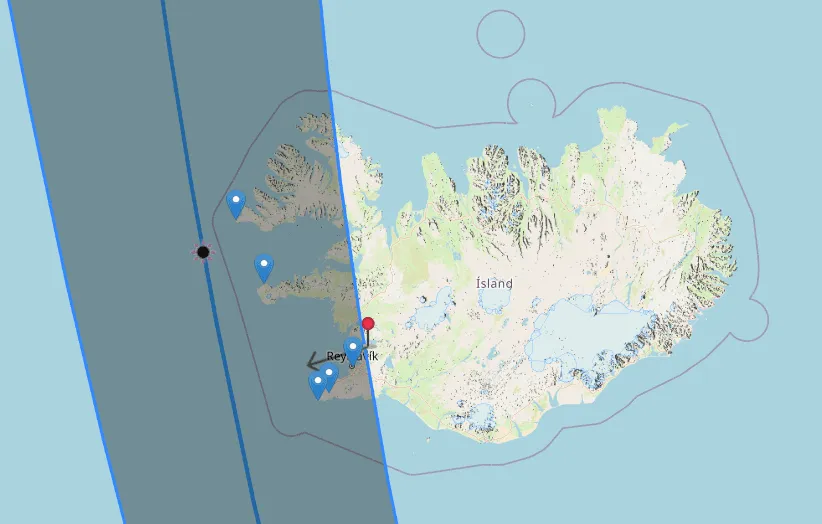
Because weather conditions in Iceland can change quickly, many eclipse enthusiasts prefer traveling by campervan rather than staying in a fixed location. This flexibility allows you to adjust your route as weather forecasts become clearer in the days leading up to the eclipse.
For the best experience, it’s worth planning several possible viewing locations instead of relying on a single destination.
Where to Watch the 2026 Solar Eclipse in Iceland
Several regions across Iceland offer excellent opportunities to experience the eclipse while also showcasing some of the country’s most spectacular scenery. Whether you prefer dramatic coastlines, volcanic peninsulas, remote fjords, or easy access from Reykjavík, there’s a location to suit every type of traveler.
Snæfellsnes Peninsula
Best for Iconic Icelandic Landscapes
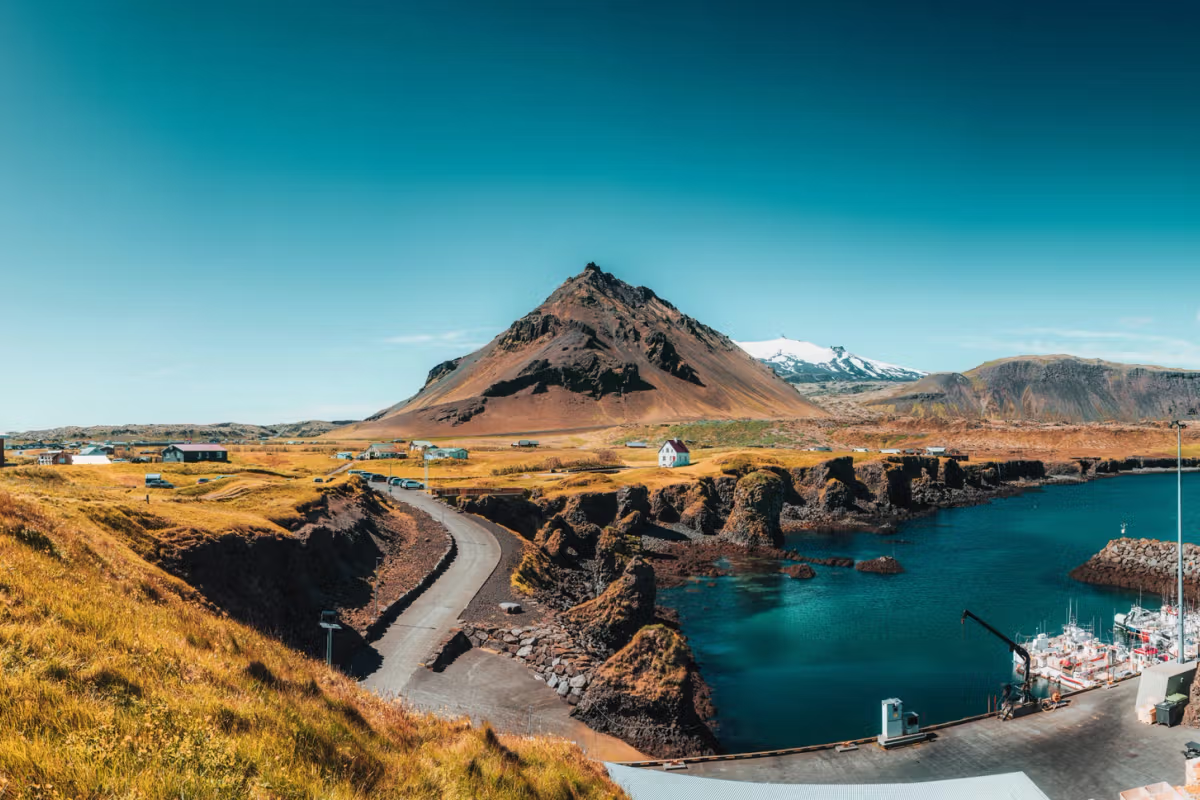
Often called “Iceland in Miniature,” the Snæfellsnes Peninsula combines lava fields, rugged coastlines, charming fishing villages, black sand beaches, and the glacier-capped Snæfellsjökull volcano in one compact region. Its diverse scenery makes it one of the most photogenic places to experience the eclipse while enjoying an unforgettable road trip.
If you’re planning to spend several days exploring western Iceland, Snæfellsnes offers an ideal balance between accessibility and breathtaking landscapes.
Westfjords
Best for Remote Wilderness
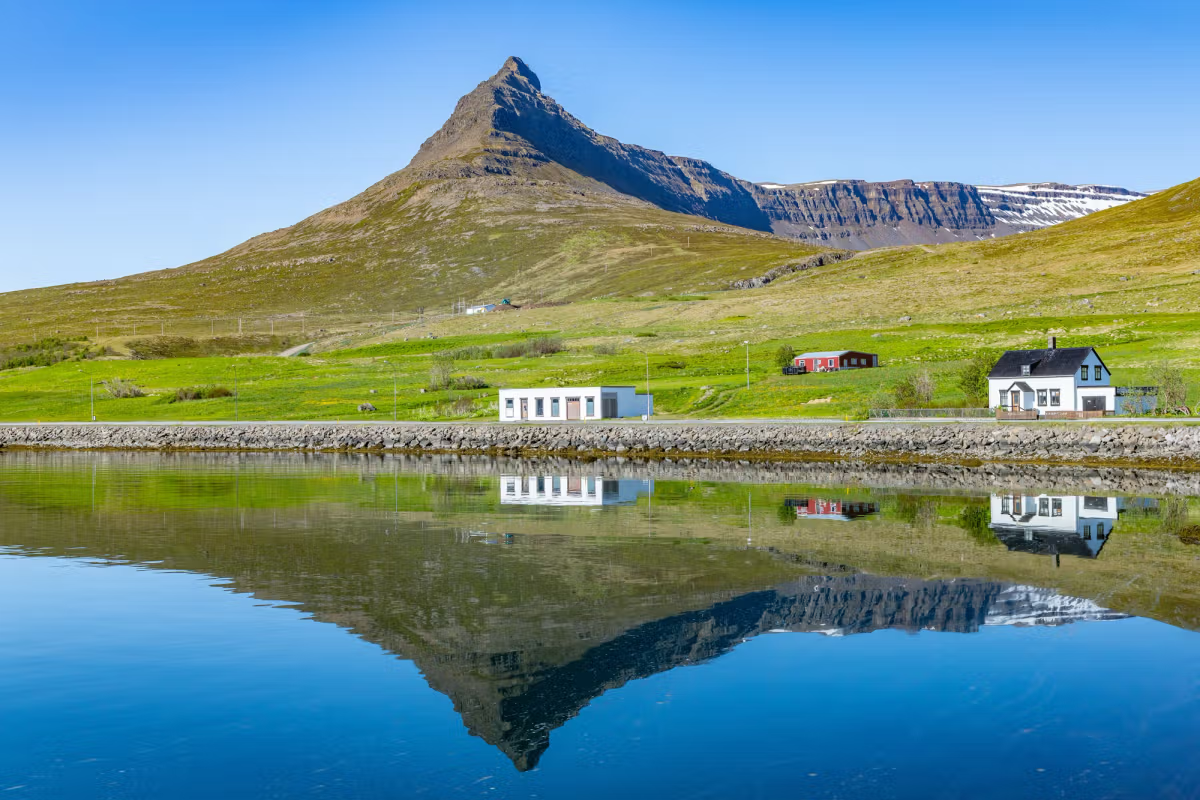
For travelers seeking fewer crowds, the Westfjords provide one of Iceland’s most peaceful and dramatic settings. Towering mountains, quiet fjords, abundant birdlife, and winding coastal roads create an unforgettable backdrop for eclipse viewing.
The region requires more driving than many other parts of Iceland, but those willing to venture farther are rewarded with spectacular scenery and a true sense of isolation that perfectly complements this once-in-a-lifetime celestial event.
Reykjanes Peninsula
Best for Convenience from Keflavík Airport
Located less than an hour from both Keflavík International Airport and Reykjavík, the Reykjanes Peninsula is one of the easiest places to position yourself before eclipse day. The region is known for its volcanic landscapes, lava fields, rugged coastline, and geothermal activity, making it far more than just the gateway to Iceland.
Travelers arriving shortly before the eclipse often choose Reykjanes because it minimizes driving time while still offering plenty of open viewpoints away from city lights and buildings. It’s also an excellent starting point for continuing a road trip around Iceland once the eclipse has passed.
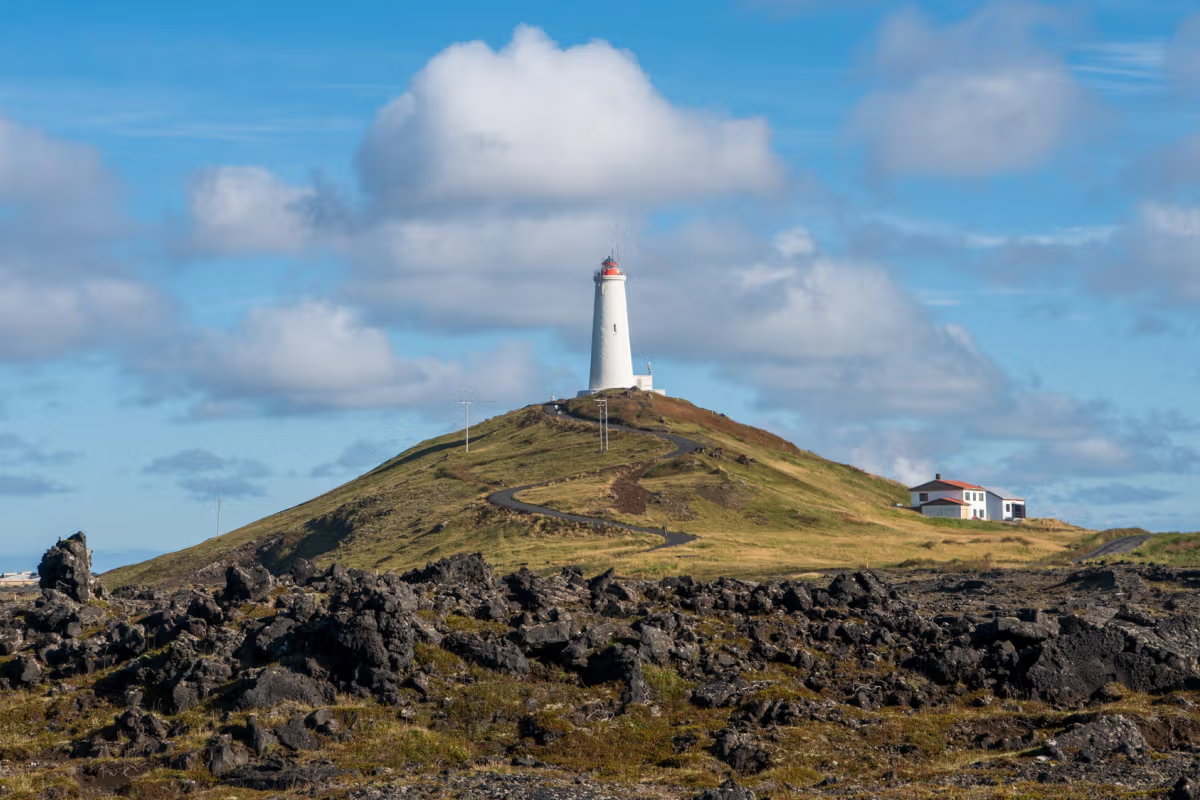
For travelers arriving on the day before the eclipse, Reykjanes provides one of the simplest ways to begin exploring Iceland without immediately committing to a longer drive.
Reykjavík City Center
Best for Easy Access & First-Time Visitors
While Reykjavík isn’t the most remote viewing location, it’s an excellent choice for travelers who want to combine the eclipse with Iceland’s capital city. Museums, cafés, restaurants, colorful streets, and the famous Hallgrímskirkja Church are all within easy reach before or after the event.
The city also serves as a convenient base if you’re planning to join a guided eclipse tour or continue exploring nearby attractions after August 12.
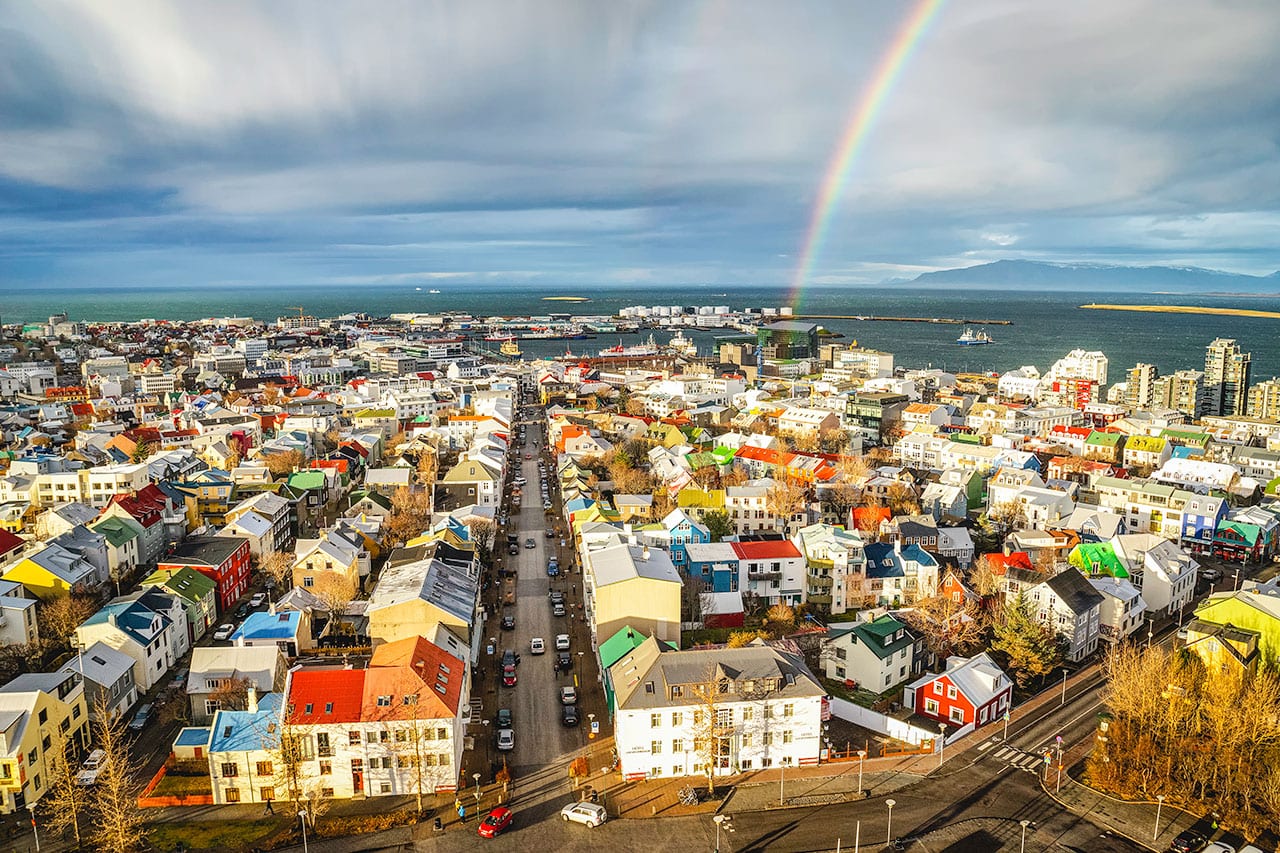
If convenience and flexibility are your priorities, staying near Reykjavík before heading toward your chosen viewing location offers the best of both worlds.
Why a Campervan Is the Best Way to Experience the Eclipse
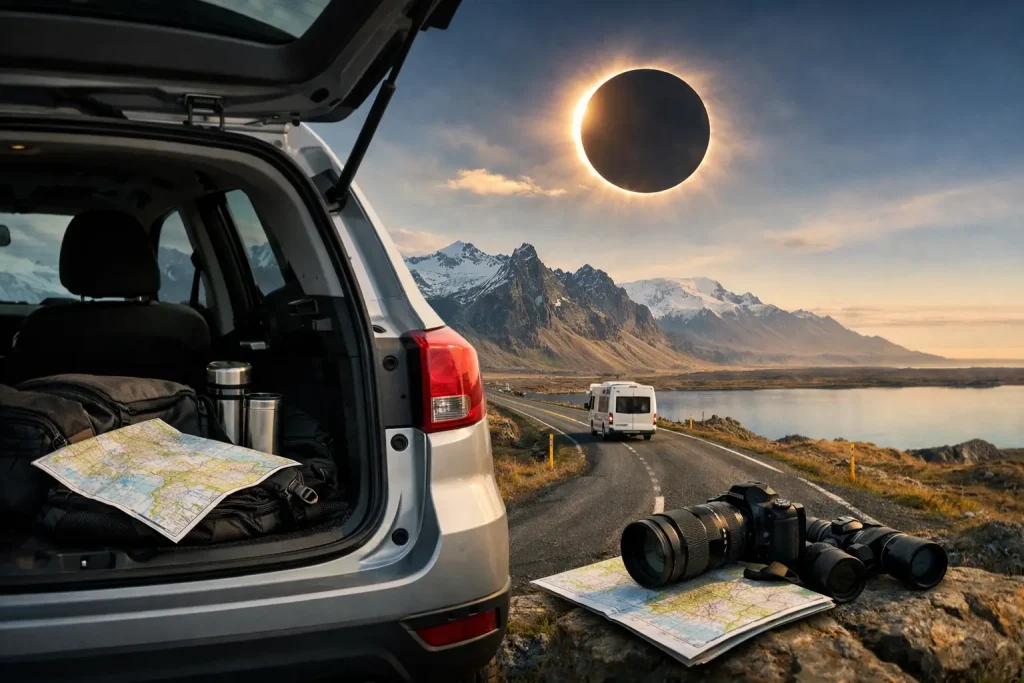
Unlike traditional vacations where your accommodation stays in one place, a campervan gives you something incredibly valuable during an eclipse: flexibility.
Weather forecasts in Iceland can change quickly, and even a short drive may lead to clearer skies. Instead of being tied to a hotel reservation, you have the freedom to adjust your route as updated forecasts become available.
A campervan also means you can wake up close to your chosen viewing spot, avoiding early-morning transfers or long drives before one of the biggest moments of your trip. After the eclipse, there’s no need to rush back you can simply continue exploring waterfalls, black sand beaches, volcanic landscapes, or charming fishing villages at your own pace.
For photographers, nature lovers, and road trip enthusiasts alike, this flexibility often becomes one of the biggest advantages of visiting Iceland during eclipse week.
Which Go Campers Camper Fits Your Eclipse Adventure?
Whether you’re traveling solo, as a couple, with friends, or planning a family adventure, choosing the right camper can make your eclipse road trip even more comfortable.
Lite Automatic Camper
Best for couples and first-time campervan travelers
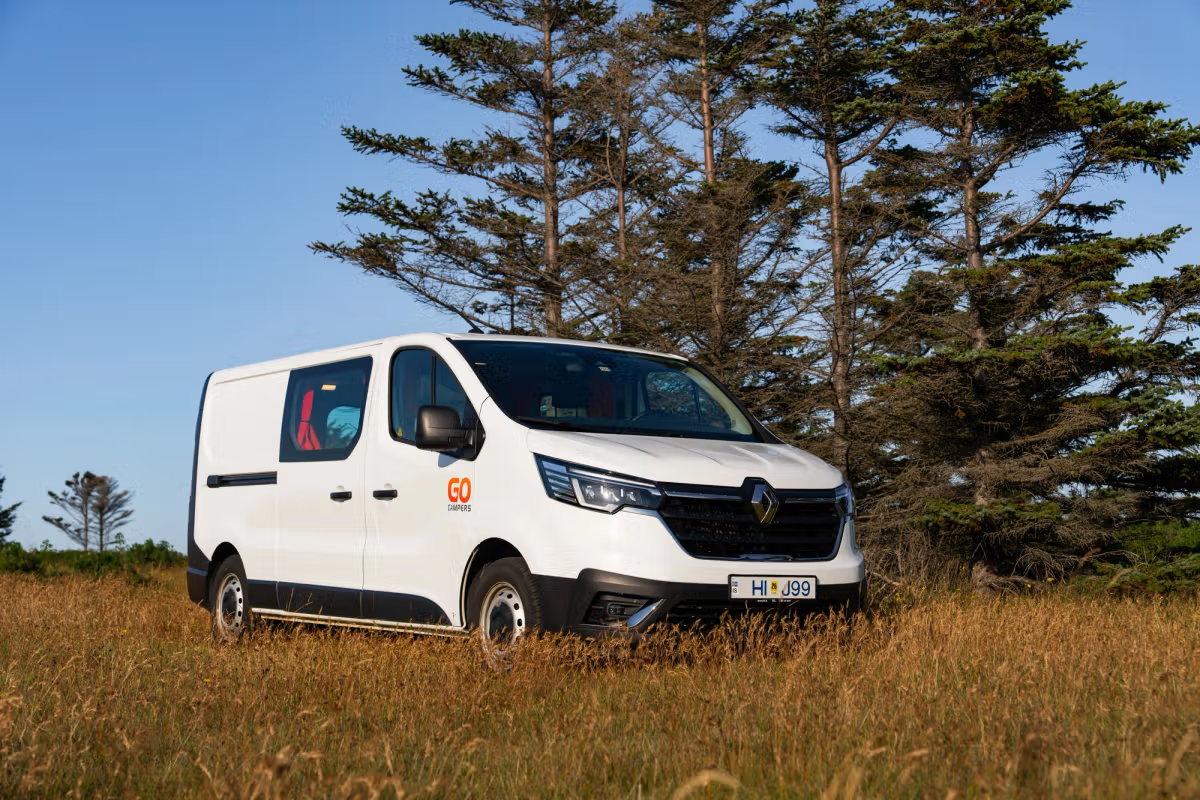
The Go Lite Automatic Camper is a practical choice for travelers looking for comfort without driving a large vehicle. Sleeping up to three people, it includes a night heater, cooking essentials, and a spacious interior that’s ideal for exploring Iceland’s main roads during August.
Since it’s designed for paved roads rather than Iceland’s highlands, it’s perfect for travelers planning to visit destinations such as Reykjavík, Reykjanes, Snæfellsnes, or the South Coast.
Big Automatic Camper
Best for families and small groups
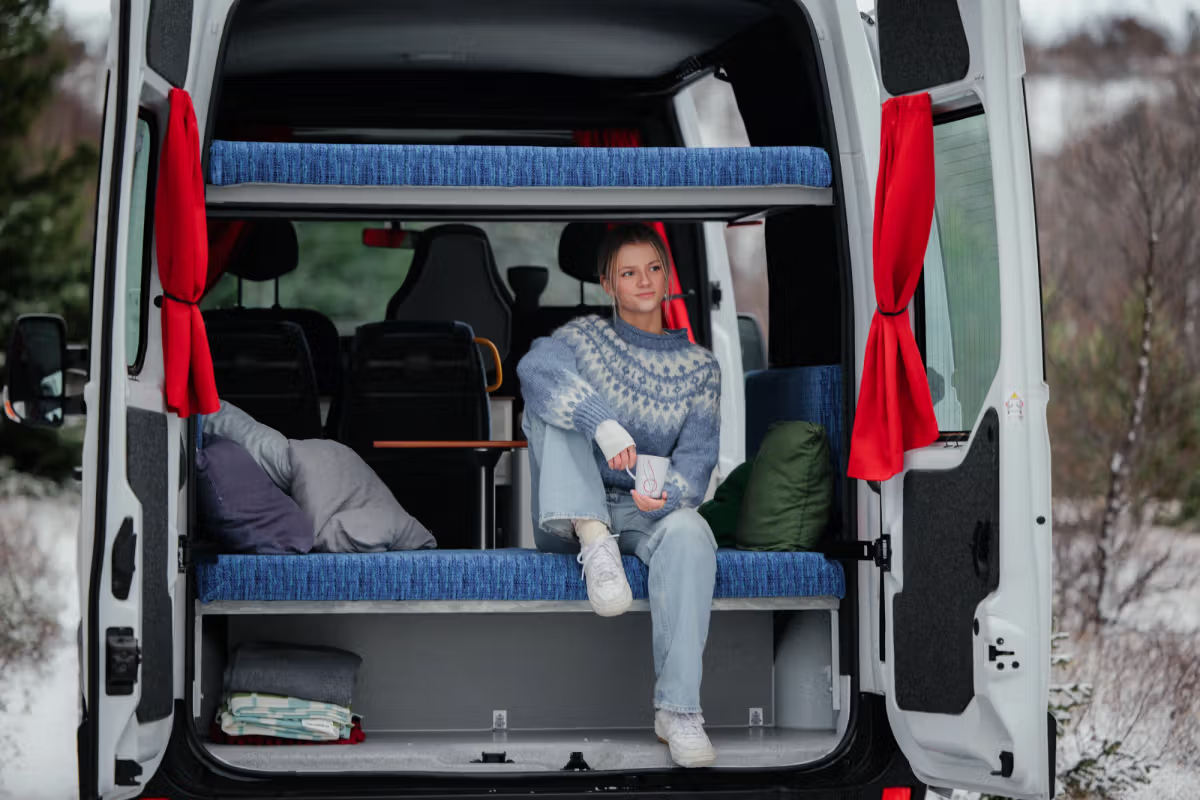
If you’re traveling with family or friends, the Go Big Automatic Camper offers significantly more living space while still being easy to drive. With room for up to five passengers, built-in cooking facilities, and comfortable sleeping arrangements, it’s well suited to longer road trips where you’ll be spending several nights on the road.
Its generous storage also makes it a convenient option for travelers carrying photography equipment or extra luggage during their eclipse adventure.
4×4 Wrangler Camper
Best for adventurous travelers seeking maximum flexibility
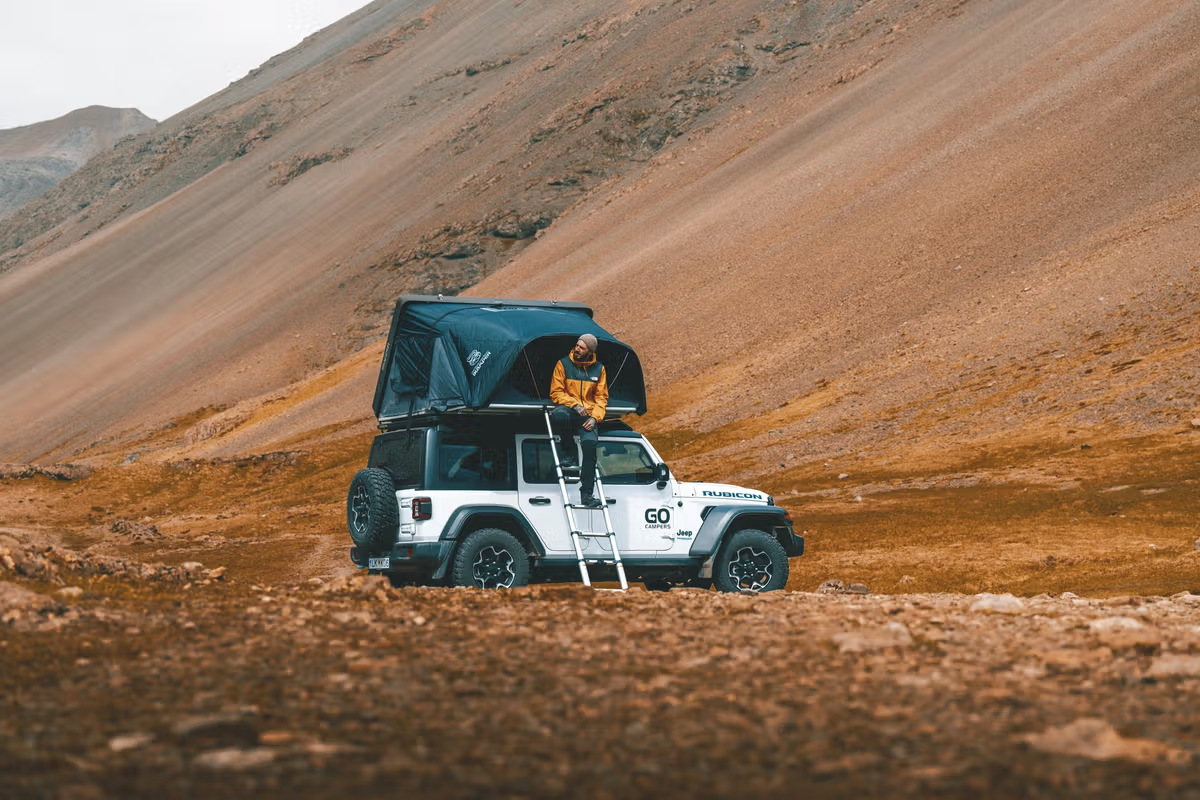
The Jeep Wrangler Camper is built for travelers who want to venture beyond Iceland’s main tourist routes. Its four-wheel-drive capability allows access to Iceland’s F-roads during the appropriate season, opening the door to more remote landscapes and fewer crowds.
If you’re planning to combine the eclipse with a broader adventure through Iceland’s rugged interior, the Wrangler provides the confidence to explore areas that standard campervans can’t reach.
4×4 TOP Camper
Best for adventurous couples
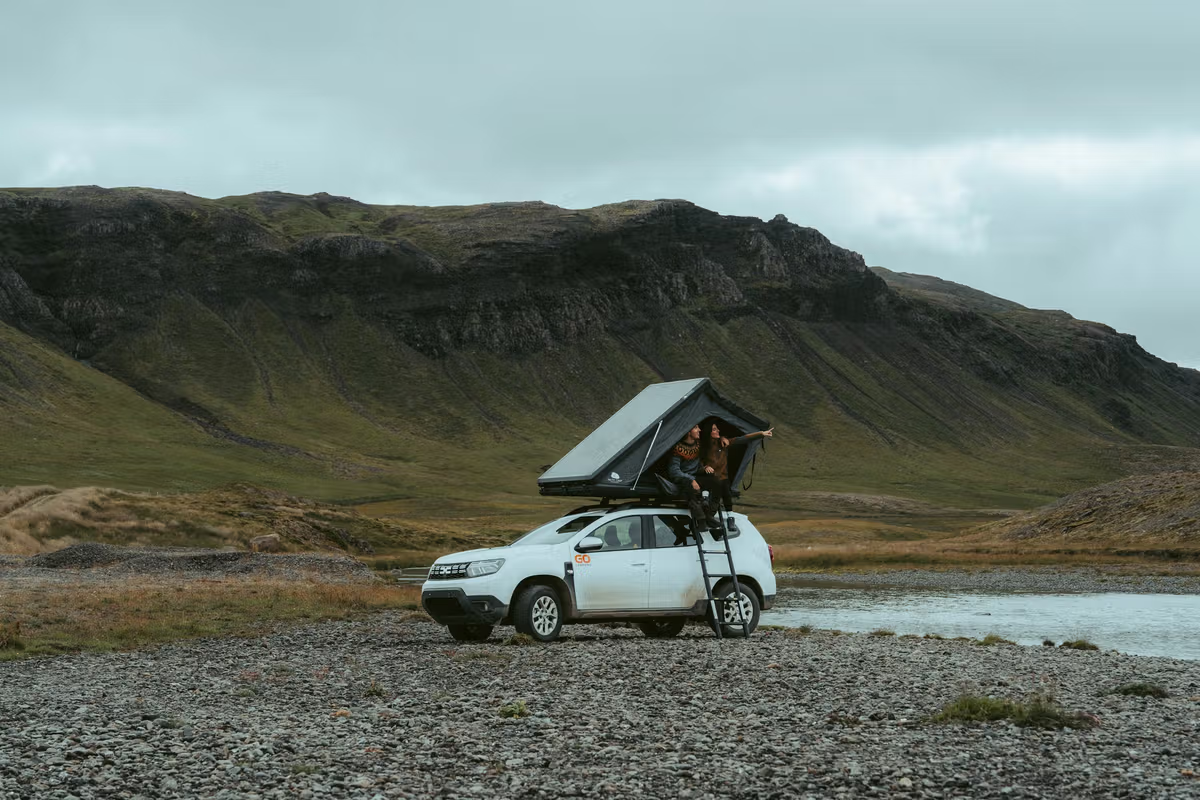
Combining a compact 4WD vehicle with a rooftop tent, the Go 4×4 TOP Camper offers an adventurous way to experience Iceland without driving a full-sized campervan. Its all-wheel-drive capability makes it suitable for travelers who want additional flexibility while keeping the vehicle compact and fuel efficient.
It’s an excellent choice for couples who enjoy spending their evenings surrounded by Iceland’s incredible landscapes before waking up close to their next destination.
Go Campers has earned a strong reputation among travelers exploring Iceland, receiving the Excellent in Iceland recognition for three consecutive years (2023-2025), being named Strongest in Iceland 2025, and maintaining membership in the Icelandic Travel Industry Association (SAF). These recognitions reflect the company’s commitment to quality service and its long-standing focus on helping visitors experience Iceland through self-drive adventures. Explore more about Go Campers: Go Campers Iceland Review (2026): Is It Worth Renting a Campervan?
Recommended Tours During the Eclipse
If you’d rather leave the driving to experienced local guides, several guided tours are available during eclipse week. These tours combine eclipse viewing with some of Iceland’s most spectacular landscapes, making them a convenient option for travelers with limited time.
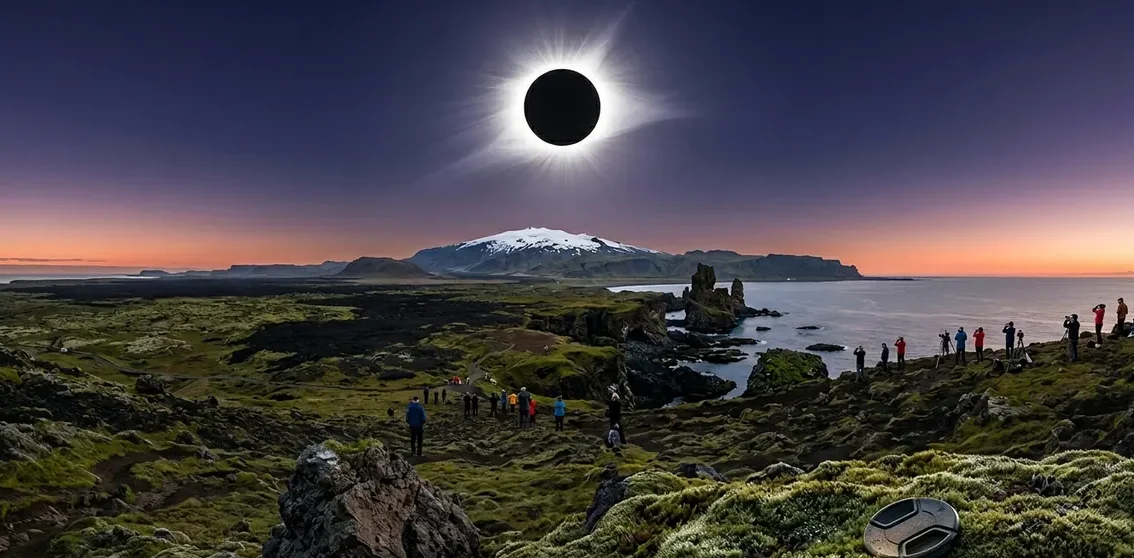
Eclipse Cruise from Reykjavík
Perfect for travelers staying in the capital, this cruise offers the unique opportunity to experience the eclipse from the water while enjoying panoramic views of Reykjavík’s coastline. Watching the sky gradually darken over Faxaflói Bay creates a truly unforgettable atmosphere.
Eclipse Snæfellsnes Tour
This full-day excursion takes you to one of Iceland’s most scenic regions, combining dramatic coastlines, volcanic landscapes, charming fishing villages, and one of the country’s best eclipse viewing locations into a single itinerary.
Eclipse Super Jeep Tour
Designed for travelers looking to reach more remote locations, the Super Jeep Tour provides additional flexibility by accessing areas that standard vehicles cannot easily reach. It’s an excellent option if weather conditions require traveling beyond the most popular viewing spots.
Safety Tips for Watching the Solar Eclipse
Watching a total solar eclipse is an incredible experience, but protecting your eyes is essential throughout most of the event.
✔ Wear Certified Eclipse Glasses
Always use ISO-certified solar eclipse glasses when viewing the partial phases. Looking directly at the Sun without proper protection can cause permanent eye damage.
✔ Protect Cameras and Binoculars
If you plan to photograph or film the eclipse, remember to use approved solar filters on cameras, telescopes, binoculars, and other optical equipment.
✔ Choose an Open Viewing Location
Look for wide, unobstructed viewpoints away from buildings, mountains, or heavy traffic. Arriving early also gives you time to set up safely before the eclipse begins.
✔ Know When It’s Safe to Remove Your Glasses
During the brief period of totality, when the Sun is completely covered by the Moon, it’s safe to observe with the naked eye. As soon as the first rays of sunlight reappear, put your eclipse glasses back on immediately.
FAQs
When is the 2026 solar eclipse in Iceland?
The total solar eclipse will take place on August 12, 2026, with parts of Iceland lying directly within the path of totality.
How long will totality last?
Depending on your location, totality will last approximately one to two minutes, while the full eclipse event spans around two hours.
Do I need special glasses to watch the eclipse?
Yes. ISO-certified eclipse glasses are required throughout the partial phases. Only during the brief period of totality is it safe to look directly at the eclipse without eye protection.
What will the weather be like in Iceland in August?
August is one of Iceland’s mildest months, with average temperatures between 10–15°C (50–59°F). Weather can change quickly, however, so having a flexible travel plan improves your chances of finding clear skies.
Why travel by campervan during the eclipse?
A campervan gives you the flexibility to adjust your route based on changing weather forecasts, stay close to your preferred viewing location, and continue exploring Iceland after the eclipse without following a fixed itinerary.
Final Thoughts
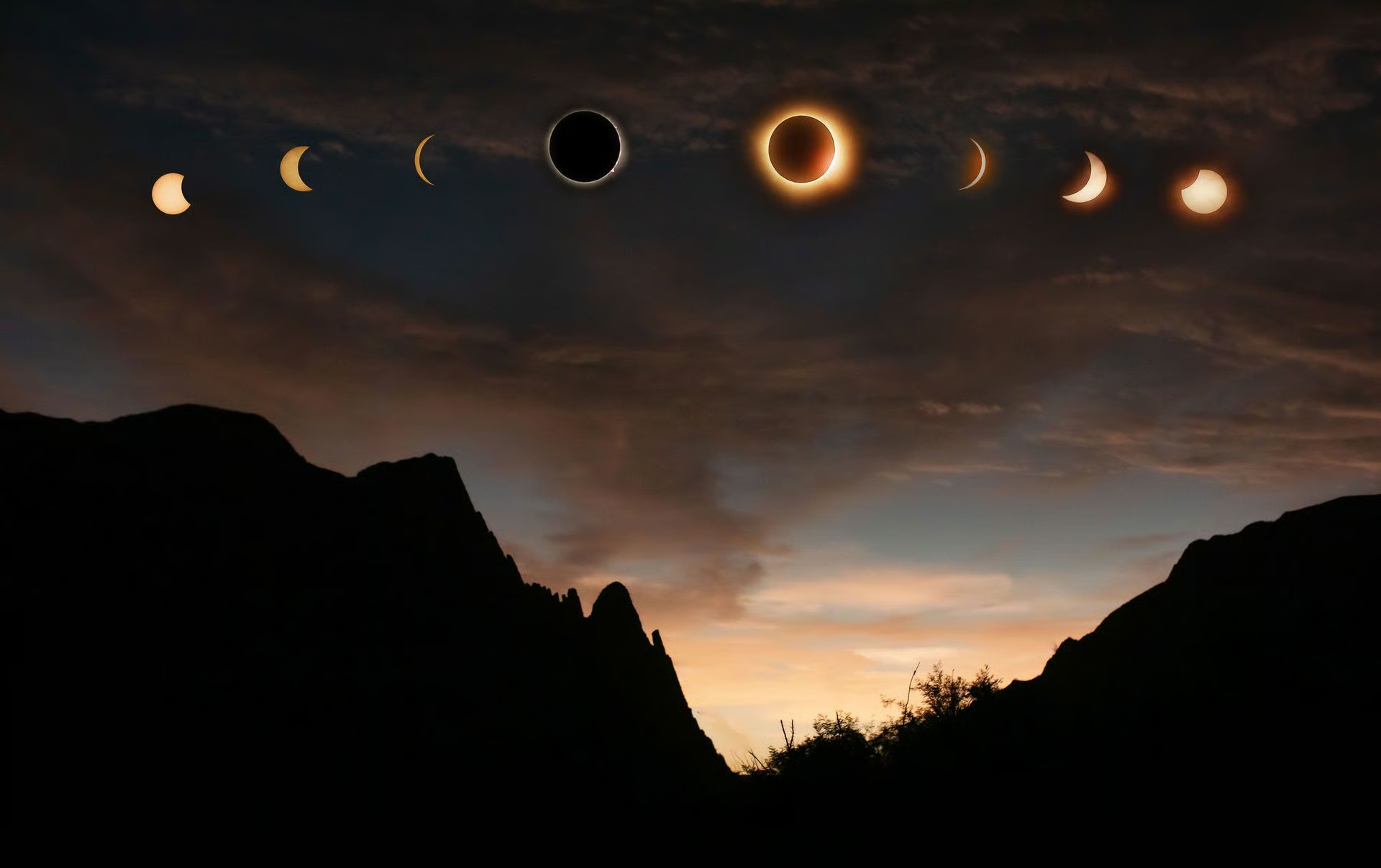
The 2026 Iceland Solar Eclipse is far more than a rare astronomical event. It’s an opportunity to experience one of the world’s most spectacular natural landscapes during a truly unforgettable moment. Whether you choose to watch the eclipse from the dramatic cliffs of Snæfellsnes, the remote beauty of the Westfjords, or the volcanic scenery of Reykjanes, planning ahead will make the experience even more rewarding.
With the freedom of a campervan, you can adapt your route, explore beyond the usual tourist stops, and turn eclipse day into an unforgettable Icelandic road trip.
🌘 Start Planning Your 2026 Iceland Eclipse Adventure
Explore Iceland at your own pace, stay close to the best viewing locations, and enjoy the flexibility to follow clear skies on one of the most memorable road trips you’ll ever take.

Continue exploring
Related field notes
Best Yacht Destinations: Where to Go by Yacht in 2026
If you are searching for Best Yacht Destinations, the right place can turn a simple boat rental into an unforgettable holiday. From…
Read the guide
Best Car Rental Deals: Why DiscoverCars Is a Top Choice for Comparing Rental Cars
Best Car Rental Deals are easier to find when you can compare prices, rental conditions, supplier ratings, and vehicle types in one…
Read the guide
Best Tour Guide 2026: Top Destinations & Tours with Amstar DMC
If you are looking for the Best Tour Guide for a Caribbean or Mexico vacation, Amstar DMC is worth considering for its…
Read the guide