
Why Türkiye’s Black Sea Coast is becoming Europe’s most unexpected coastal escape in 2026
While millions of travelers continue flocking to the turquoise beaches of southern Türkiye every year, another side of the country is quietly beginning to capture international attention - one that feels greener, cooler, and far less crowded. Stretching…
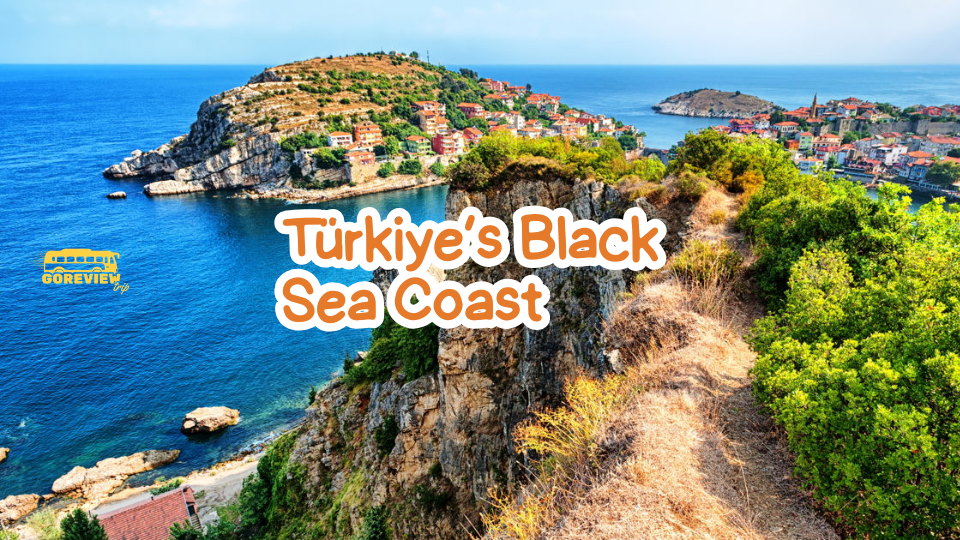
While millions of travelers continue flocking to the turquoise beaches of southern Türkiye every year, another side of the country is quietly beginning to capture international attention – one that feels greener, cooler, and far less crowded.
Stretching along Türkiye’s northeastern shoreline, the Black Sea Coast remains one of the nation’s most underrated regions. Here, misty mountain valleys tumble toward the sea, tea plantations carpet the hillsides in emerald green, and winding coastal roads connect centuries-old towns, hidden beaches, and dramatic alpine landscapes.
For decades, most international visitors focused on Istanbul, Cappadocia, or the Mediterranean resorts around Antalya and Bodrum. But in 2026, travelers searching for more authentic experiences are increasingly heading north.
And it’s easy to understand why.
Unlike Türkiye’s sun-soaked southern coastline, the Black Sea region feels entirely different in atmosphere.
The air is cooler. The landscapes are lusher. Rain-fed forests cover the mountains while rivers cut through deep valleys toward the sea. Wooden villages cling to steep hillsides, and tea growers work terraces overlooking clouds rolling through the mountains.
It’s a side of Türkiye many travelers never expect.
Historically, the Black Sea Coast once formed part of the legendary Silk Road trade network connecting Asia and Europe. Merchant ships docked in bustling ports while traders carried silk, spices, and precious goods inland through the Pontic Mountains.
Today, the region is experiencing a new kind of movement – driven not by traders, but by adventurous travelers looking beyond Europe’s overcrowded hotspots.
A coastline that still feels undiscovered


One of the biggest reasons travelers are falling in love with the region is how uncrowded it remains.
Even during summer, many beaches, hiking trails, and mountain villages feel calm compared to Türkiye’s packed Mediterranean resorts. Instead of giant beach clubs and luxury marinas, visitors find fishing towns, family-run cafés, roadside tea gardens, and quiet coastal roads with endless sea views.
The region stretches more than 400 miles along the Black Sea, from Sinop in the west toward the Georgian border in the east. Along the way, travelers encounter everything from surf beaches and Ottoman architecture to alpine meadows and dramatic mountain monasteries.
And unlike destinations already overwhelmed by tourism, the Black Sea Coast still feels deeply local.
Exploring Trabzon: Türkiye’s historic Black Sea gateway
The city of Trabzon serves as the cultural and historical heart of the region.
Once a powerful trading port along the Silk Road, Trabzon blends Byzantine, Ottoman, and modern Turkish influences into one fascinating coastal city. Historic mosques stand beside lively seafood restaurants while traditional tea houses overlook the harbor.
One of the city’s architectural highlights is the Trabzon Hagia Sophia, originally built as a Byzantine church before later becoming a mosque. Its faded frescoes and stone architecture reveal centuries of cultural transformation.
Nearby neighborhoods like Orta Mahalle preserve elegant Ottoman-era homes, narrow cobbled streets, and a slower pace of life rarely found in Türkiye’s larger cities.
But perhaps the region’s most iconic landmark lies beyond the coast.
Sümela Monastery: Türkiye’s cliffside wonder


Hidden within the dramatic Altındere Valley National Park, Sümela Monastery appears almost impossible.
Built directly into a towering cliff face, the monastery was founded during the fourth century by Orthodox monks searching for a sacred relic. Surrounded by dense forests and steep mountain walls, the site feels both isolated and cinematic.
Inside, faded Christian frescoes cover the monastery walls, many of them carefully restored in recent years. Narrow stairways connect chapels, rooms, and terraces overlooking the valley below.
Reaching Sümela is part of the experience itself. The road twists through mountain forests before visitors continue on foot through cool pine air and dramatic viewpoints.
In winter, a dusting of snow transforms the monastery into something almost surreal.
The green heart of the Black Sea: Rize and the tea country
East of Trabzon, the scenery becomes even greener as travelers enter Rize – Türkiye’s tea capital.
Tea plantations spread across rolling hillsides in every direction, creating landscapes more reminiscent of Sri Lanka or northern Vietnam than the Mediterranean. Workers harvest tea leaves by hand while roadside cafés serve endless glasses of strong Turkish black tea.
Many plantations now welcome visitors for tastings and tours, offering a closer look at one of the region’s defining traditions.
The experience feels deeply tied to local culture rather than mass tourism.
And that authenticity is exactly what many travelers are searching for in 2026.
Ayder Plateau and the Kaçkar Mountains


Inland from the coast, the landscape rises dramatically into the Pontic Mountains and the spectacular Kaçkar range.
The Ayder Plateau has become one of the Black Sea region’s most famous mountain escapes. Wooden lodges overlook waterfalls and misty valleys while hiking trails lead through forests, alpine meadows, and glacier-fed rivers.
Nearby, the Fırtına Valley attracts adventure travelers with whitewater rafting, ziplining, and dramatic Ottoman-era stone bridges spanning rushing rivers.
During autumn, the forests explode into shades of gold, orange, and deep red, creating one of Türkiye’s most beautiful seasonal landscapes.
Winter brings heavy snowfall and opportunities for skiing and snowboarding in the surrounding mountains.
A different side of Türkiye’s coastline
The beaches along the Black Sea may not have the same global fame as Bodrum or Antalya, but they offer something many Mediterranean destinations increasingly struggle to provide: space and tranquility.
From the sandy stretches near Samsun to the black volcanic sands west of Trabzon, the coastline feels refreshingly relaxed. Some areas even attract surfers thanks to stronger Black Sea swells.
Travelers can spend the morning hiking through mountain forests and the afternoon swimming beside quiet beaches – a rare combination that gives the region enormous appeal for nature lovers.
Why travelers are choosing the Black Sea Coast in 2026
More flights from Istanbul, improved roads, and growing international curiosity are making Türkiye’s Black Sea region easier to explore than ever before.
But what truly sets the area apart is its balance between natural beauty and cultural authenticity.
This is not a polished resort coast built solely for tourism.
It’s a region where tea farmers still work steep hillsides, fishermen haul catches into small harbors, and mountain villages continue traditions shaped over centuries.
For travelers exhausted by overcrowded European hotspots, Türkiye’s Black Sea Coast offers something increasingly rare in modern travel:
The feeling of discovering somewhere before everyone else does.

Continue exploring
Related field notes
Best Yacht Destinations: Where to Go by Yacht in 2026
If you are searching for Best Yacht Destinations, the right place can turn a simple boat rental into an unforgettable holiday. From…
Read the guide
Best Car Rental Deals: Why DiscoverCars Is a Top Choice for Comparing Rental Cars
Best Car Rental Deals are easier to find when you can compare prices, rental conditions, supplier ratings, and vehicle types in one…
Read the guide
Best Tour Guide 2026: Top Destinations & Tours with Amstar DMC
If you are looking for the Best Tour Guide for a Caribbean or Mexico vacation, Amstar DMC is worth considering for its…
Read the guide